
Looking for the best place to sell shoes?
Selling shoes is a simple, practical way to earn extra cash and clear out your closet. With more buyers shopping online than ever, the resale market offers numerous opportunities to turn unwanted footwear into income. Whether you have everyday sneakers, designer heels, or collectible limited-edition shoes, knowing where and how to sell them will help you get the best return.
Key points about selling shoes
- Selling shoes—online or in person—can be profitable if you pick the right platform and present items well.
- Local consignment and thrift stores provide quick payment without listing or shipping, but they usually offer lower payouts.
- Research your market, choose a platform that fits your shoe type, and price competitively for the best results.
How profitable is selling shoes?
Shoe resale can range from a modest side income to a full-time business depending on the brand, rarity, and market demand. Limited-edition sneakers and sought-after designer shoes often fetch prices well above retail, while common or heavily worn pairs will sell for much less. Your choice of platform matters, too—some marketplaces attract collectors and luxury buyers, while others serve casual shoppers looking for bargains.
Understanding the demand for your particular brands and styles, and using the right sales channel, will improve both speed and price of sale.
Top places to sell shoes online
Most platforms follow a similar selling workflow. Before listing, follow these steps:
- Create an account on the platform.
- Research similar listings and sold prices to determine market value.
- Take clear, well-lit photos from multiple angles on a plain background and highlight any flaws.
- Write an accurate, detailed description: brand, size, condition, color, model, and any defects.
- Set a competitive price or choose auction vs. fixed-price options.
- Decide shipping method and return/refund policy; calculate shipping costs into your price.
- Respond promptly to buyer questions and offers.
- Ship with tracking and insurance when required; pack securely.
- Confirm receipt of payment methods used by the site (direct deposit, PayPal, bank transfer, or site payout).
Below are top platforms to consider, chosen for reach, niche focus, or ease of use.
1. eBay
eBay is a global marketplace where virtually anything can be sold, including shoes. You can list items as auctions or fixed-price “Buy It Now” listings. eBay charges listing and selling fees, so factor those into your price. Its wide audience makes it a reliable choice for most shoe types.
2. Poshmark
Poshmark specializes in fashion and offers a social selling experience—follow other users, share listings, and participate in virtual parties. Fees are a flat rate for items under $15 or 20% for higher-priced sales, and Poshmark provides prepaid shipping labels, simplifying fulfillment.
3. Whatnot
Whatnot is a live-auction app popular for collectibles and sneakers. Selling live lets buyers inspect items in real time via video, which is helpful for showing condition and authenticity. Auctions can drive higher prices when demand is strong.
4. Mercari
Mercari is user-friendly and low-cost to start—no listing fees and a 10% selling commission. It has a high volume of daily listings and works well for a broad range of shoes.
5. Depop
Depop appeals to younger users and resembles a social feed. It’s image-focused, so strong photography and trend-aware styling help listings stand out. Depop charges about 10% per sale.
6. GOAT
GOAT focuses on sneakers and enforces authenticity checks. Sellers must apply and list using the model or SKU. Fees start around 9.5% plus seller fees and can increase if verification problems occur. GOAT’s authentication process gives buyers confidence and can support higher prices.
7. StockX
StockX operates like a stock market for sneakers and designer items. Sellers set asking prices or accept bids; StockX handles authentication after sale. Transaction fees are typically around 9% plus processing fees. It’s best for in-demand and collectible sneakers.
8. The RealReal
The RealReal specializes in authenticated luxury items. They authenticate consignments and set prices based on market value; consignors can earn a high percentage of the sale depending on the agreement and item condition.
9. ThredUP
ThredUP offers a mail-in Clean Out Kit: you pack items into a provided bag, send them in, and ThredUP handles pricing and selling. Sellers receive cash or store credit when items sell. It’s convenient for high-volume decluttering but pays less per item than direct listing.
10. Flyp
Flyp connects sellers with professional resellers who list and manage sales on your behalf. They focus on name-brand and designer items in excellent condition and can simplify the selling process at the cost of a service fee.
11. buyMYheels
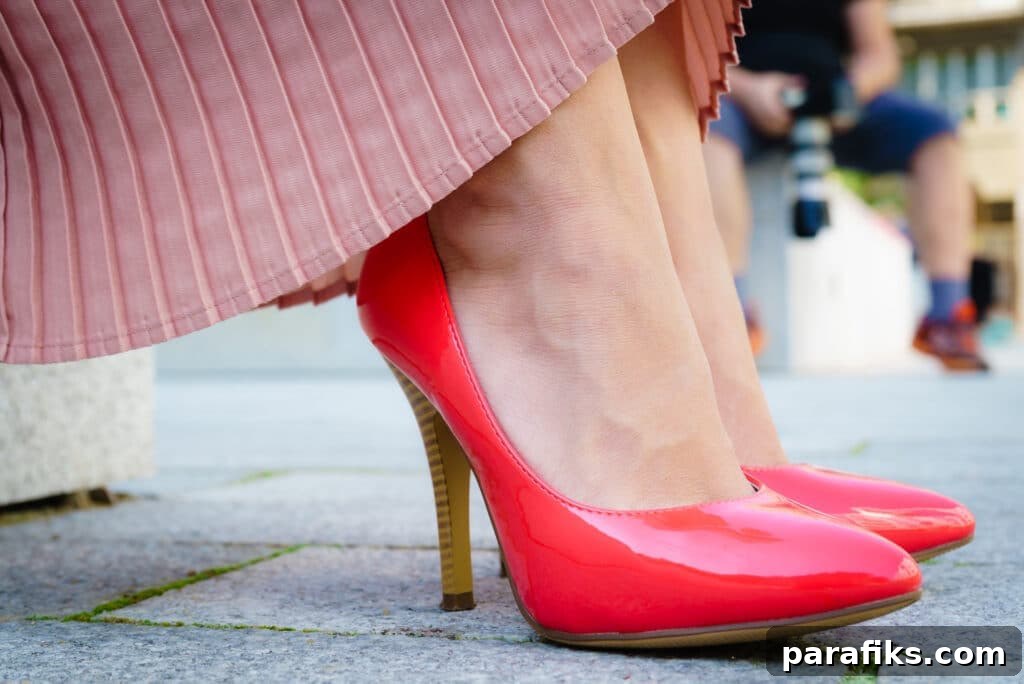
BuyMYheels specializes in designer heels and charges a nonrefundable listing fee. Listings receive offers from buyers, and negotiation is common. It’s a focused marketplace for dress and designer styles.
12. Vestiaire Collective
Vestiaire Collective handles luxury consignment and provides a prepaid label when items sell. Sellers can earn a substantial percentage of the sale, and the site emphasizes authentication and quality control.
13. Kixify
Kixify is a sneaker marketplace with no listing fees and a typical 10% transaction fee. It’s a good option if you want a dedicated sneaker platform without subscription costs.
14. Grailed
Grailed targets higher-end and designer streetwear. It’s a niche site with tools for price comparison and a commission fee around 9%. Quality photos and accurate descriptions are essential here.
Best places to sell shoes locally
Local sales avoid shipping and can yield immediate cash. Top local options include Facebook Marketplace and Craigslist for direct buyer-to-seller transactions, and consignment stores that offer instant offers or consignment payouts.
15. Facebook Marketplace
Facebook Marketplace lets you list items using your Facebook profile and reach local buyers quickly. Create a listing with clear photos, set your price, and communicate through Messenger. Always meet in a public, safe place when completing in-person exchanges.
16. Craigslist
Craigslist is straightforward for local listings. Choose your city, create a “for sale by owner” post, upload photos, and include details and a contact method. As with other local options, prioritize safety when meeting buyers.
Consignment and thrift stores that buy shoes
If you prefer not to manage listings or shipping, consignment and thrift stores offer convenient alternatives. They usually pay less than a private sale but provide immediate offers and hands-off selling.
17. Buffalo Exchange
Buffalo Exchange buys and sells used clothing and shoes at many U.S. locations. They offer instant cash or higher trade-in value in store credit, and decisions are made in person by store buyers.
18. Plato’s Closet
Plato’s Closet focuses on teen and young adult fashions and buys gently used shoes in demand. Payment is usually a percentage of the store’s selling price, and the process is quick and simple.
19. Crossroads Trading
Crossroads Trading offers cash or store credit and also provides consignment options and a mail-in service. Payouts vary by store, item condition, and whether you choose cash or credit.
20. Uptown Cheapskate
Uptown Cheapskate buys trendy, gently used clothing and shoes at many locations, offering instant cash or store credit depending on the item selection and condition.
21. Local consignment shops
Independent consignment stores often provide a personalized selling experience and may accept unique or niche items that larger chains won’t. Check local listings or search for “consignment stores near me” to find shops in your area.
Tips and best practices
To maximize your earnings and sell faster, follow these practical tips:
Inspect and clean
Clean shoes thoroughly and remove visible dirt or scuffs before photographing. Good presentation can significantly increase appeal and price. Always disclose any flaws and photograph them clearly.
Know sizes and brands
Understand brand sizing differences and list both US and international sizes if applicable. Familiarity with brands and current trends helps you price and market shoes more effectively.
Factor in fees and shipping
Compare platform commission rates and shipping policies. Some sites provide prepaid labels, while others require you to calculate shipping costs—these factors affect your net profit.
Optimize your listing
Use descriptive titles and keyword-rich descriptions that include brand, model, size, color, and condition. Multiple high-quality photos from different angles improve buyer confidence. Promote listings on social media or niche communities when appropriate.
FAQ — quick answers
Where is the best place to sell old shoes?
eBay and Poshmark are versatile choices for most shoes. Specialty platforms like StockX, GOAT, or The RealReal are better for high-end or collectible pairs.
Where can I get cash for shoes nearby?
Facebook Marketplace, Craigslist, and local consignment stores offer the fastest local cash options. In-person sales avoid shipping and provide same-day payment when you find a buyer.
Which platforms are best for used shoes?
Poshmark, Mercari, Depop, and Grailed are popular for used shoes across a variety of price ranges and styles.
How much can I make?
Profit varies widely: common pairs may earn a few dollars, while rare or designer shoes can sell for hundreds or more. Researching comparable sales and choosing the right platform helps maximize returns.
Summary
There are many options for selling shoes—each with trade-offs in convenience, fees, and buyer reach. Choose a platform that matches your shoe type and selling goals: global marketplaces for broad reach, niche sites for collectors and luxury buyers, or local and consignment options for quick, hands-off sales. With good photos, honest descriptions, and market research, you can turn your unwanted shoes into reliable income.
Are you ready to start selling shoes online or locally?