Are you a foodie and thinking about starting a food blog? In this article, you’ll learn practical steps and insights on how to become a food blogger, based on an interview with Sarah and Laura from Wandercooks, a food blog that attracts over 5.25 million annual page views.
Sarah and Laura launched Wandercooks in 2015 before traveling the world for a year. Their travel experiences—visiting 35 countries and more than 100 cities—deepened their knowledge of global cuisines and inspired many of their recipes. After returning to Australia, they grew a small web and design business while the blog expanded. In January 2021 they committed to Wandercooks full-time, and today the blog earns around $150,000 AUD annually while allowing them to work part-time hours and maintain a healthy work–life balance.
The interview addresses many common questions for aspiring food bloggers, including:
- What is a food blogger?
- How much money can a food blogger make?
- Do food bloggers make money?
- What are the benefits of being a food blogger?
- Where do food bloggers get their recipes?
- How do food bloggers attract traffic and visitors?
- What equipment does a food blogger need?
- What makes a food blog successful?
Below are condensed and reorganized highlights from their interview to help you get started and decide whether food blogging could become a rewarding hobby or a reliable income stream.
How to become a food blogger
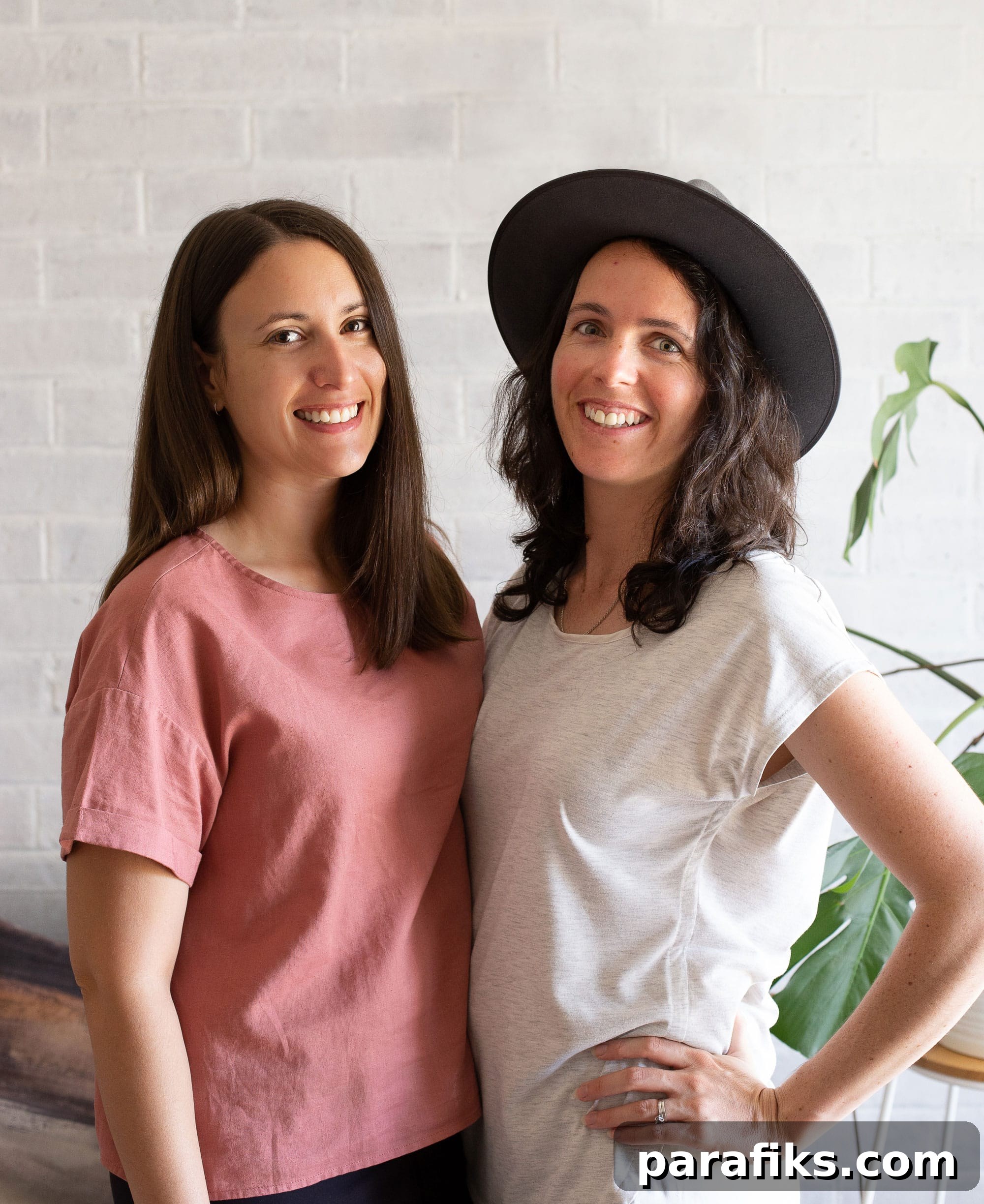
Please give us a little background on yourself and how you got started. How long have you been blogging for?
We’re Sarah and Laura. We’ve been a couple for eight years, married for two, and blogging for seven. Both of us came from graphic design and marketing backgrounds and shared a passion for cooking. Early in our relationship we challenged ourselves to cook a different meal every night for six months, and friends encouraged us to document those recipes. That led to Wandercooks, which we began just before our 12-month trip around the world in 2015. After returning to Australia we ran a small design business while continuing to grow the blog. In January 2021 we transitioned to making Wandercooks our full-time project.
Today the blog reaches over 5.25 million views a year and supports our lifestyle and financial goals.
How much money can a food blogger make? How much do you earn?
Food blogging incomes vary widely. Top creators can earn well over a million dollars a year. Wandercooks currently earns roughly $150,000 AUD annually, which is significantly above the average food blog salary. Keep in mind this income supports two people, and blogging revenue can be seasonal—so diversification and planning for fluctuations are essential.
What do you like about being a food blogger?
There are several advantages to this work:
- Flexibility of time – You can craft a schedule that fits your life. Sarah and Laura work part-time hours Monday–Friday and prioritize family time and daily walks.
- Cooking – Improving cooking skills saves money and elevates home meals to near-restaurant quality.
- Lower living costs – Working from home eliminates commute costs and allows some bills to be claimed as business expenses.
- Upskilling – Blogging develops a broad skill set that applies to many other opportunities.
- Teaching others – Sharing recipes and techniques is deeply rewarding when readers succeed in the kitchen.
- Travel from your kitchen – Recreating dishes from global travels helps keep memories alive, even when travel is limited.
- Supporting financial goals – Extra income can go toward goals like paying off a mortgage or building passive income streams.
Where do you get your recipes from?
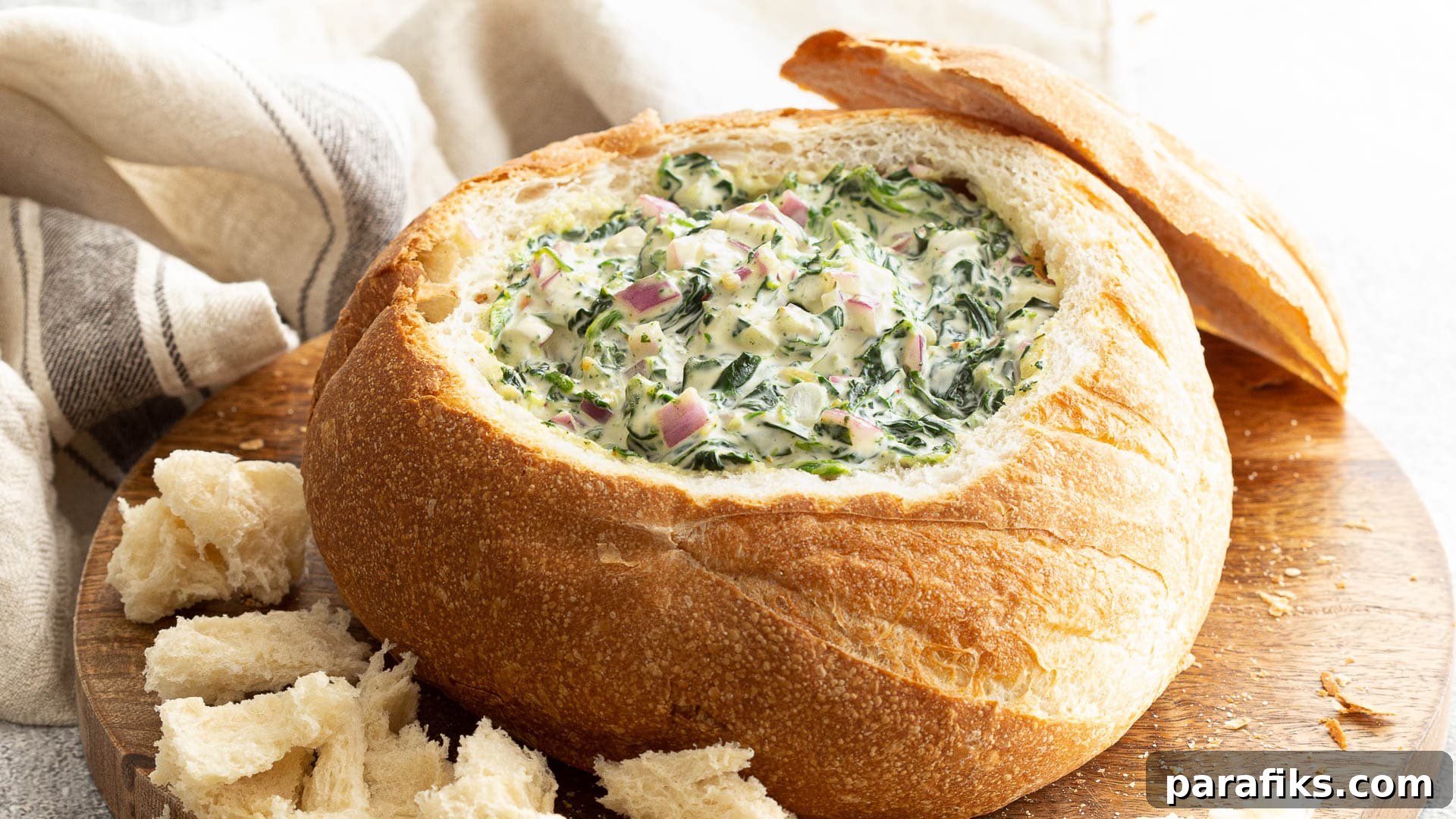
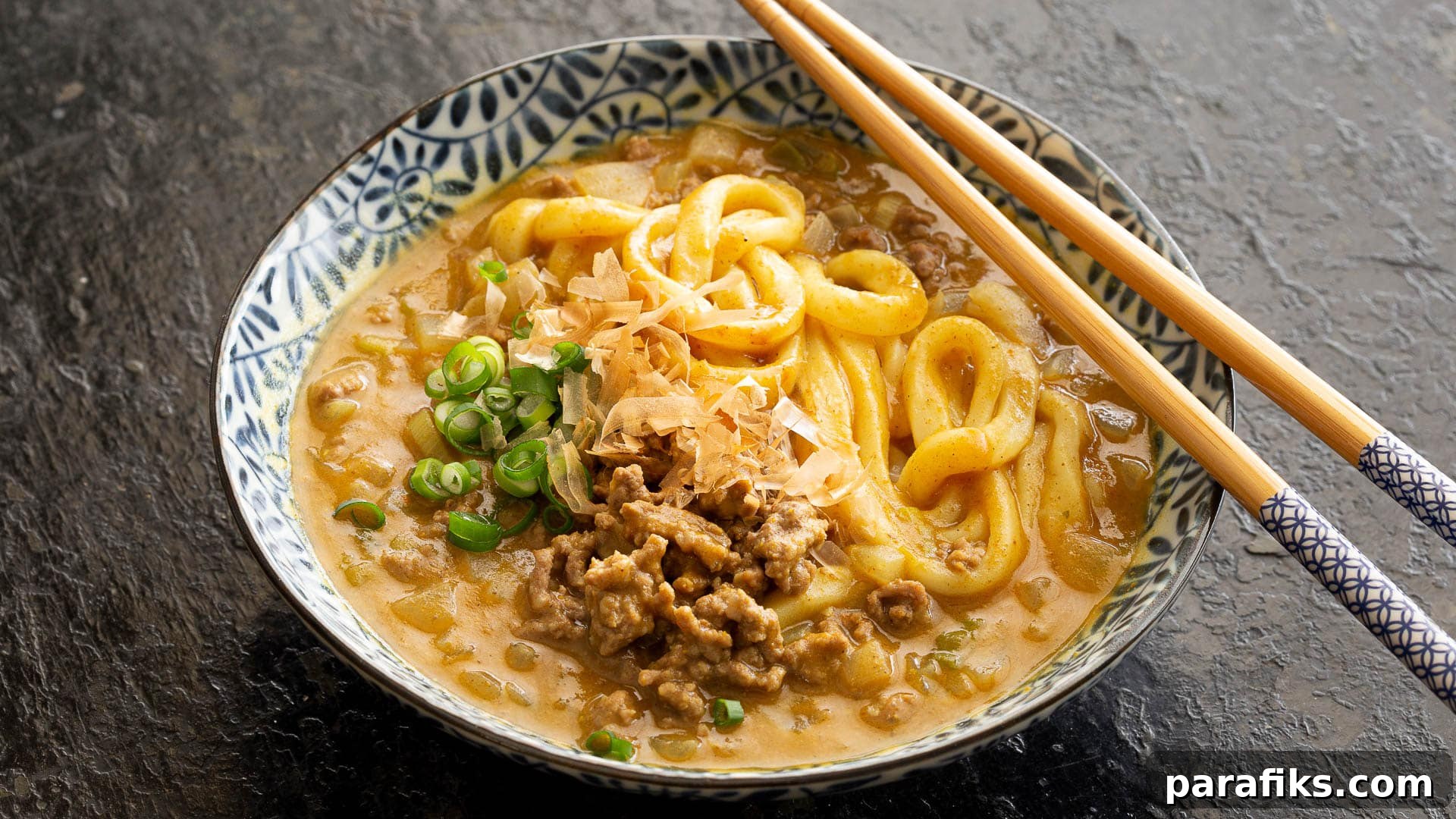
Most recipes come from travel experiences and time spent cooking with locals. The founders coined “cooksurfing” for staying with locals and exchanging dishes. Family recipes—such as traditional Australian dishes—also shape the blog. Additionally, years of recipe development allow them to research, simplify, and adapt dishes to modern kitchens, ingredients, and readers’ needs.
What exactly is a food blogger? What types of posts do you write?
A food blog typically focuses on a niche—regional cuisines, dietary preferences (vegan, keto), or appliance-specific cooking. Most content (often over 90%) is recipe posts. Other types include roundups or listicles (e.g., “10 recipes using cream”) and informational guides or technique posts that explain ingredients and cooking methods in depth.
How do you make money as a food blogger? Sponsored posts? Display ads? Affiliate marketing?
Income can come from several sources. For Wandercooks, display advertising provides the largest share, followed by affiliate marketing (including Amazon links), ebook sales, and occasional sponsored posts. Because ad revenue is seasonal, diversifying income—through courses, digital products, workshops, freelance photography or videography, and social media monetization—helps stabilize earnings year-round.
How do you get readers and traffic to your blog?
Organic search traffic has been the most impactful. After adopting a keyword research strategy, Wandercooks overhauled their content and increased monthly traffic from roughly 70,000 to more than 600,000 pageviews in two years. Keyword research helps identify recipes people actually search for, while quality writing and user-focused content keep readers engaged and returning.
Each recipe post on their site aims to be highly actionable: detailed tips, variations, ingredient substitutes, step-by-step photos, and videos so readers can reliably reproduce the dish.
What makes a food blog successful?
Success centers on readers. Engage with comments, learn where people struggle in the kitchen, and use that feedback to improve your content. Consistency and hard work are essential: publish regularly and refine your skills. Finally, be intentional—implement incremental improvements (1% better each day). For Wandercooks, mastering keyword research was the pivotal change that enabled the blog to support them full-time.
What tools or equipment does a food blogger need?
Essential tools that helped their growth include:
- Camera: They use a Canon 6D with 100mm macro and 50mm lenses for most food photography.
- Phone: A modern phone (they use a Google Pixel) for overhead “hands and pans” videos, often with a dedicated video app.
- Website hosting: Fast, reliable hosting matters for user experience and SEO.
- Courses and ebooks: Structured courses can accelerate skill-building in photography, Pinterest, SEO, and niche-specific blogging strategies.
Other tips for starting a food blog
Be proactive and prepared to wear many hats—writer, photographer, recipe developer, editor, social media manager, and site administrator. Over time you’ll discover which tasks you enjoy and which to outsource. Start small, learn continuously, and invest in skills that directly improve your content and reach. Consistent publishing, audience focus, and steady improvements create momentum.
If you want a practical next step: begin with keyword research to identify recipes people search for, write thorough, user-focused recipes that work every time, and invest in photography and hosting that present your work professionally.
Do you want to learn how to become a food blogger? Take the first step: pick a niche, start creating recipe posts that solve real cooking problems, and commit to improving your skills week by week.