
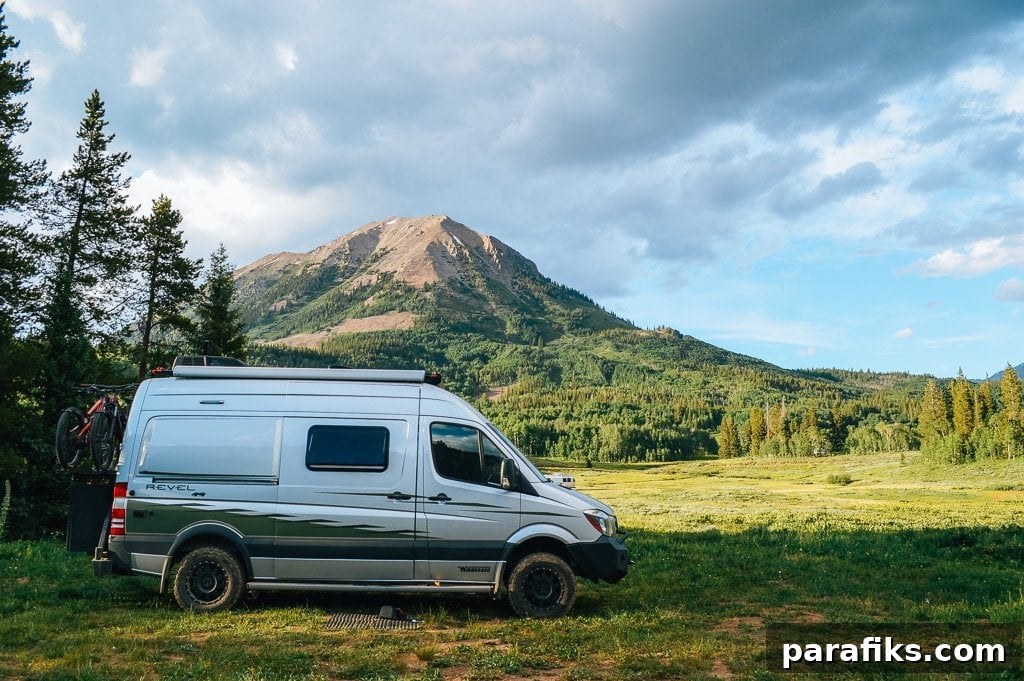
Van dwelling, the lifestyle of living full-time in a van, has grown increasingly popular for people who want to travel and explore. Since we bought a van a few months ago to live in, many readers, friends, family members, and even strangers have asked questions about van life. Below I answer the most common questions to give an honest picture of what living in a van is like.
 Before we began full-time RVing and van dwelling, we had many of the same questions. Some people think we’re crazy for choosing this lifestyle, while others are curious but unsure if it would work for them. My goal here is to answer those frequent questions and clear up misconceptions so you can decide whether van life might suit you.
These are the topics I cover in this post:
- Are you done sailing?
- Why not just keep your previous RV?
- Biggest pros and cons of van dwelling versus boat life
- Do you shower every day?
- How do you handle bathroom needs?
- How much does van living cost?
- Is van dwelling safe and legal?
- How do you receive mail?
- Why explore the U.S. by van?
- What about health insurance?
- How do you stay connected to the internet while traveling?
If you’d like to follow our travels on social media, please follow me on Instagram.
Related articles on van dwelling:
- 11 Reasons to Choose RV Life
- How I Run a Business While Traveling 365 Days a Year
- How Much Does It Cost To RV?
- How I’ve Paid Off $29,000 In Debt By Living In a Van
Here are the van dwelling questions you’ve asked me:
Are you done sailing?
Short answer: no. We didn’t quit sailing—we split our time between boat life and van dwelling. The van complements our sailing life. During hurricane season or when we want to explore land-based adventures like hiking, biking, and rock climbing, the van gives us mobility and access to places the boat cannot reach. We still love our boat and plan to return to it; the van is simply a way to enjoy different experiences during certain parts of the year.
Was getting a van planned?
Yes. When we sold our motorhome in 2018, we already intended to live in a van when we weren’t on the boat. It fits our lifestyle well and helps us pursue outdoor goals without waiting to stop sailing entirely.
What kind of van did you get?
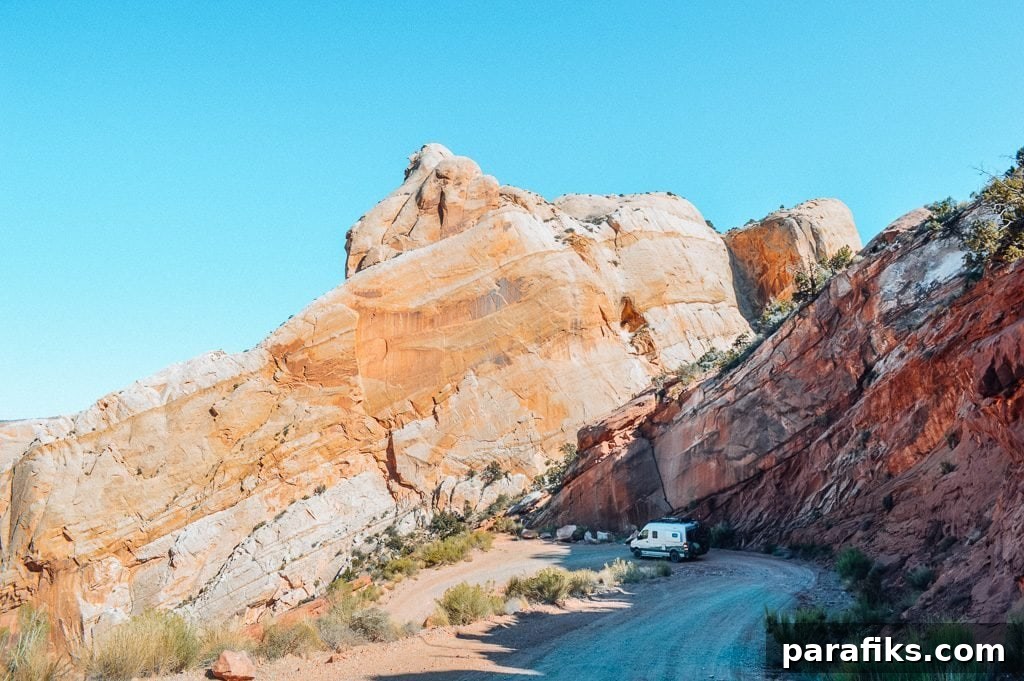
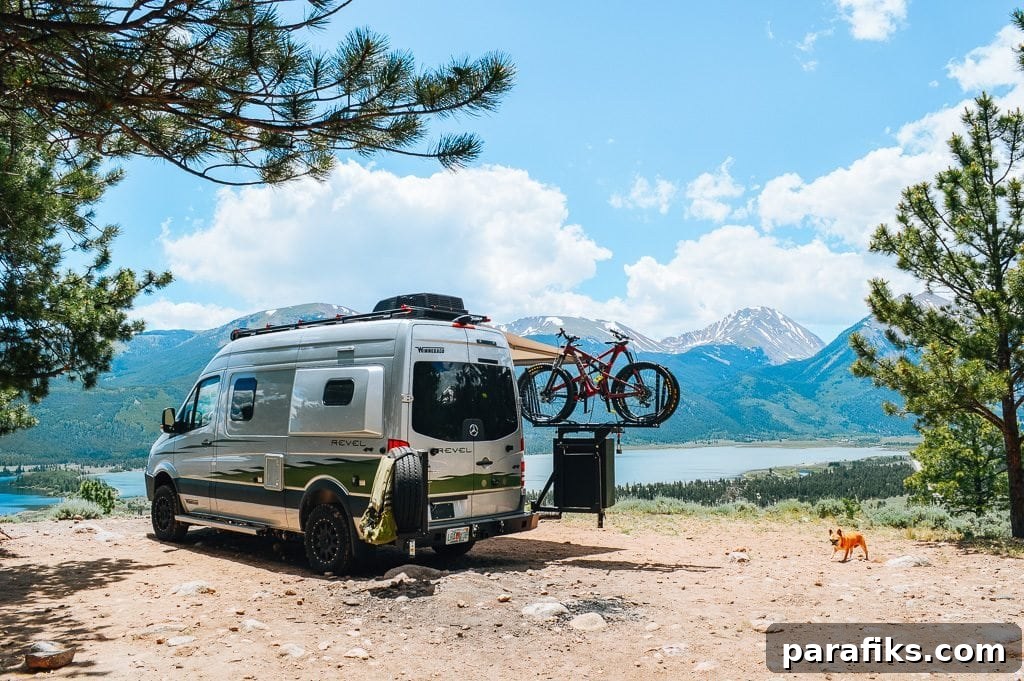
We chose a Winnebago Revel, a four-wheel-drive camper van equipped with roof solar panels, a small rooftop air conditioner, a compact wet-bath (shower over toilet), a convertible bed that frees up space for our dogs, and a small kitchen with stove, fridge, and sink. It comfortably sleeps two adults and two dogs and the layout has worked perfectly for us.
Do you actually like van dwelling? Is it realistic to live in a van?
Absolutely. Our van is about 19 feet long and feels surprisingly comfortable. Van dwelling gives us freedom and flexibility: we can pick our surroundings, move easily between locations, and bring our whole home with us. I appreciate being outdoors more, having all our gear and pets with us, and being able to park close to hikes and climbs. Van life isn’t for everyone, but it’s realistic and very rewarding for us.
What don’t you like about van dwelling?
There are trade-offs. Our water capacity is limited (21 gallons), so long showers are difficult. The fridge is very small, and we don’t have an onboard washer/dryer. These are manageable inconveniences—fill water more often, shop more frequently, and use laundromats when needed.
How does van life compare to the big RV you used to have?
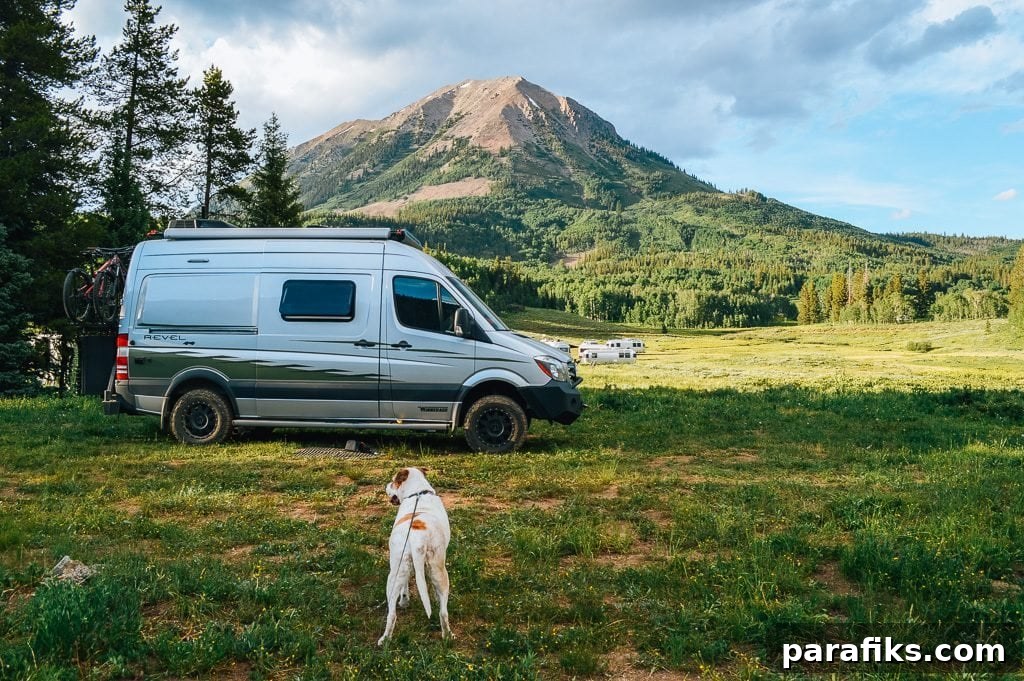
Our previous RV was a large motorhome with many creature comforts. The van is much smaller, but that small size is an advantage: it gets into places the big RV couldn’t, offers off-road capability, and fits easily into scenic, remote campsites. We traded a lot of space and luxury for mobility and simplicity.
Why not just keep your last RV?
We sold the big RV because owning both a large boat and a large motorhome was excessive—too much maintenance, cost, and unused time. The van better suits our needs for a few months of land-based travel each year while the boat remains our primary home.
Biggest pros and cons of camper van life compared to boat life?
Both lifestyles are great but different. Van life is generally easier in day-to-day maintenance and gets you directly to land-based adventures. Boat life offers unique benefits like renewable energy potential, water access, islands, and the rewards of sailing skills. We plan to continue both because each allows different experiences.
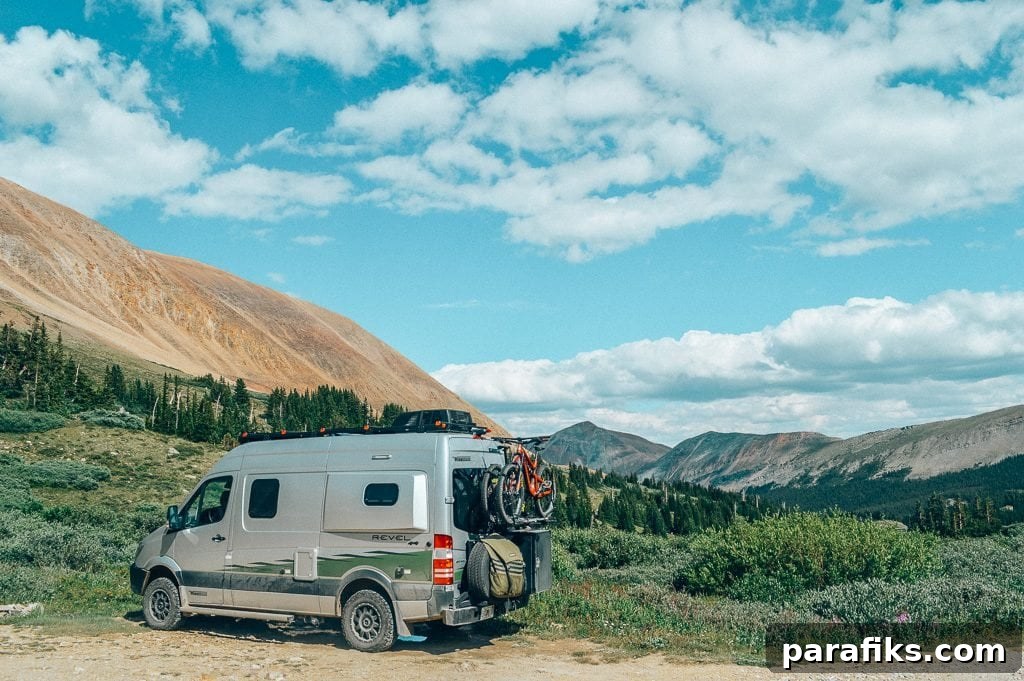
How long will you stay in the van?
Our stays vary. We use the van seasonally and will return to the boat according to our schedule. For example, we planned to be back on the boat for the Annapolis Boat Show and then continue boating afterward.
What do you do with your van when you’re on the boat?
We plan to store the van when it’s not in use. If you own an RV you don’t use year-round, consider options like storage, renting it out, or offering it to friends and family for short stays.
Do you shower in your van? Where do you shower?
Yes—we have a working shower in our van with hot water. Our water tank is limited, so showers are usually short. When water is low or we want a longer shower, we use gym or campground facilities.
Do you shower every day?
Not always. We shower after outdoor activities or when needed. Daily teeth brushing and face washing remain part of our routine. Short, efficient showers help conserve water.
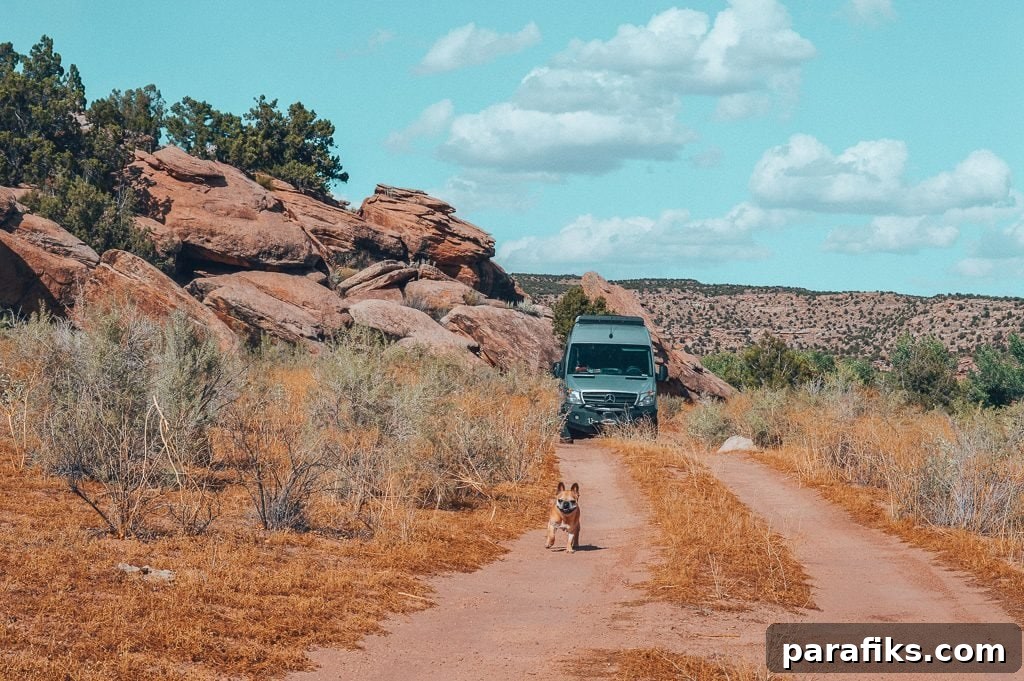
How do you handle bathroom needs?
We have a toilet in the van and use it like at home. The main difference is emptying the waste tank periodically, which is a normal part of RV and van life.
How and what do you eat?
We cook in our compact kitchen using the stove, Instant Pot, or slow cooker. Meals are often simple to minimize dishwashing and water use. The small kitchen works well for us, and we plan meals with water conservation in mind.
How much does living in a van cost?
Costs vary widely. Because we paid cash for our van, our main ongoing costs are fuel, insurance, food, phone plans, and occasional campground fees or maintenance. The small size lets us boondock and park in more free locations, which can lower expenses significantly.
Is living in a van safe?
Yes—we feel safe. We avoid parking in questionable areas and often stay in backcountry spots, state and national parks, or friends’ driveways. Legality depends on local parking rules, so always check regulations where you plan to stay.
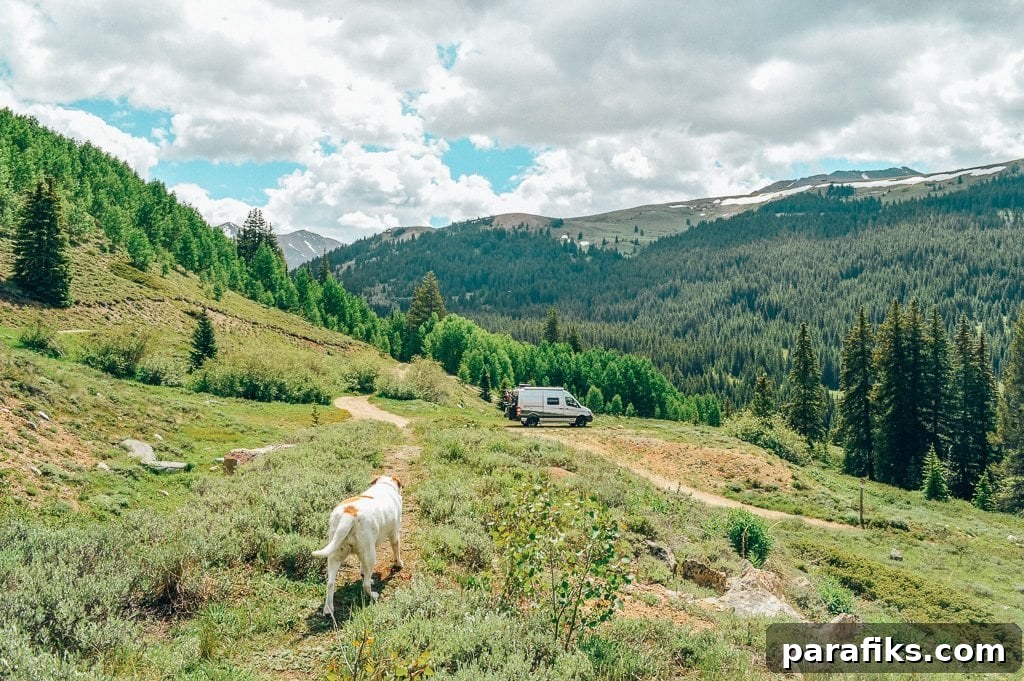
Can you live in a van with a family or pets?
Yes. Families and pets can adapt to van life. Many families travel with children and dogs—planning, organization, and custom layouts help make it work. We travel comfortably with our two dogs and designed storage and sleeping areas to suit them.
How do you do laundry in a van?
We use laundromats or campground laundry facilities about once a week. It’s quick and inexpensive—usually under an hour and around $10.
How do your dogs do in the van?
Our van layout works well for our dogs: the retractable bed creates a dedicated sleeping area and the climate control keeps them comfortable. We choose campsites and routes to avoid extreme temperatures and give the dogs plenty of outdoor time.

Do you and your partner get on each other’s nerves living in such a small space?
We live in less than 100 square feet and are doing fine. Small space requires good communication, routines, and the ability to spend time outside. On rainy days we work, read, or relax indoors—balance is key.
What do you do for a living so you can travel full-time?
I run an online business and make my living through blogging and other digital income streams. Remote work, freelance options, and online businesses make full-time travel a realistic option for many people.
How do you receive mail in a van?
We use a mail forwarding service. Our mail is sent to a forwarding address and then forwarded to wherever we are staying. This is an easy and reliable solution for full-time travelers.
Where do you like to sleep in the van?
We prefer state and national park campgrounds, dispersed public land, and scenic boondocking spots over crowded RV parks. Free or low-cost backcountry camping with great views and privacy is our favorite way to sleep while van dwelling.
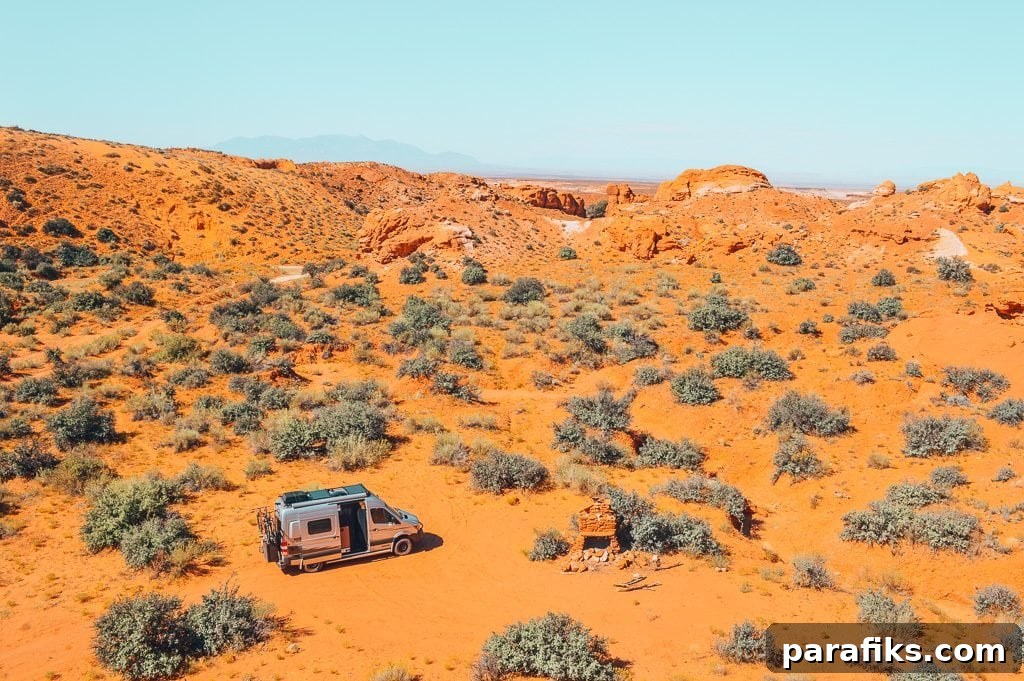
Can you park anywhere you want?
No. You must research and follow local parking rules. Some cities restrict overnight parking, some sites aren’t level or have clearance issues, and private driveways or lots require permission. With planning, there are plenty of good places to stay.
Why explore the U.S.?
Because it’s fun and full of diverse landscapes—mountains, deserts, coastlines, and endless outdoor opportunities. Traveling by van makes discovering these places easy and rewarding.
What about health insurance?
Health insurance for full-time travelers can be complicated. We found traditional plans restrictive for out-of-state living, so we chose a health care sharing ministry that fits our lifestyle and budget. Such alternatives are not the same as traditional insurance and have limitations and exclusions, so research your options carefully and choose a solution that aligns with your needs.
How do you get internet while traveling full-time?
Internet is a common concern but it’s manageable. We use mobile service (AT&T) and a cell signal booster (WeBoost) on the van to improve connectivity in remote areas. Many travelers use multiple carriers, mobile hotspots, and boosters to stay connected. In places with no coverage, I work ahead to avoid deadlines. For international or island travel, specialized providers may offer reliable packages—options vary and it helps to plan based on where you’ll be traveling.
What other questions do you have about van dwelling? Are you interested in trying life in a van?