

Do you want to learn how to earn money as a crafter?
Demand for handmade and personalized items is growing—people increasingly prefer unique, handcrafted goods over mass-produced products. If you enjoy crafting, you can turn that hobby into a profitable side hustle or small business.
If you’re seeking craft ideas, there are many lists and resources available, but this article focuses on practical ways to monetize the craft you already love.
This guide covers different methods to generate income from your craft, including selling finished items, teaching, launching a blog or YouTube channel, creating printables, using print-on-demand services, and more. There are far more ways to make money from crafting than simply producing and selling finished pieces.
Best Ways To Make Money Selling Crafts
Here are the top strategies for earning money from crafts.
1. Sell your handmade crafts
One of the most straightforward paths is selling the crafts you create. Turning a hobby into income is rewarding—you get paid for doing something you enjoy. Popular handmade products include:
- Jewelry
- Candles
- Soaps
- Upcycled furniture
- Greeting cards
- Photography
- Stickers
- Wedding accessories
- Printables
- Macramé
- Embroidered goods
You can sell these items at farmers markets, craft fairs, art festivals, antique markets, coffee shops, local gift shops or co-ops, and online on platforms like Etsy, eBay, Instagram, and specialty marketplaces. Each sales channel has pros and cons—local markets let customers see and touch items, while online stores expand your reach.
2. Start a craft blog or YouTube channel
Teaching others through a blog or YouTube channel is a powerful way to earn money while sharing your skills. You can publish tutorials, DIY projects, and step-by-step guides, or review tools and supplies to help buyers make informed decisions.
Monetization options include ads, affiliate links, sponsorships, and selling your own products or digital downloads. Repurposing content across platforms like Pinterest, TikTok, and Instagram helps grow your audience and drives traffic to your primary platform.
3. Teach classes related to your craft
Offering classes—either in person at a local creative space or online via platforms like Skillshare or Teachable—is a fun, lucrative option. Teaching raises your profile as an expert and can boost sales of your handmade items.
Instructors can sell class materials, patterns, templates, and offer private lessons or coaching. Structured courses and clear, user-friendly resources make it easier for students to succeed and for you to build repeat customers.
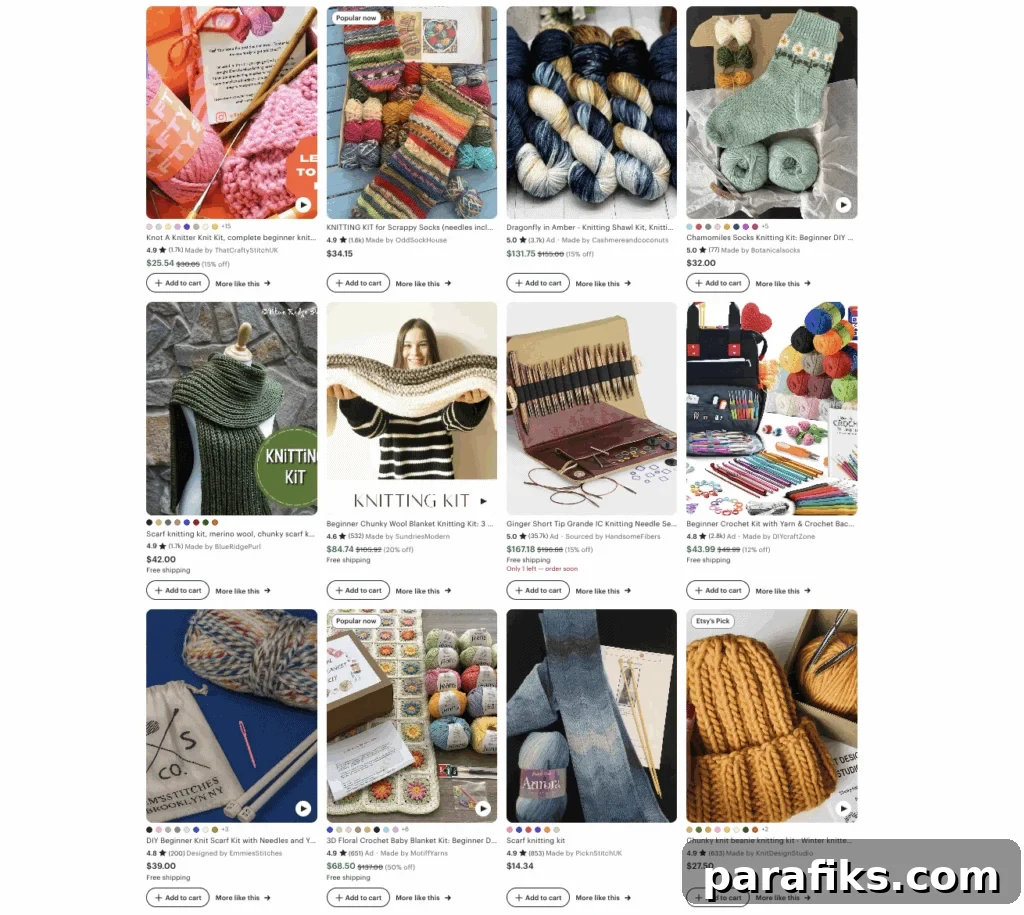
4. Sell craft supplies, kits, or subscription boxes
Selling supplies, curated kits, or subscription boxes meets the demand for convenient, all-in-one projects. Kits and subscription boxes are attractive because they provide everything a buyer needs to start a project immediately.
Examples include DIY candle kits, embroidery starter packs, resin art sets, homeschool craft kits, and knitting or crochet kits. Kits should include clear instructions and, when possible, links to tutorials or online resources. Themed or seasonal kits for holidays and birthdays can increase appeal and sales.
5. Sell patterns (like knit patterns)
Digital patterns are an excellent source of passive income—create them once and sell repeatedly. Bundles or collections increase value and revenue potential.
Include thorough instructions, helpful photos, and tips to improve the user experience and encourage positive reviews. Encourage buyers to share finished projects on social media to generate organic promotion.
6. Sell your art with print on demand (POD)
Artists can convert designs into products like shirts, mugs, and tote bags using print-on-demand services. POD lets you sell without handling production or fulfillment, though profit margins are typically lower than producing items yourself.
POD platforms provide low upfront costs and global reach, acting as a semi-passive income stream once designs are uploaded. Alternatively, you can produce items at home with tools like a Cricut to increase profit per item and retain control over quality. Sell these products online, at markets, or through local retailers.
Frequently Asked Questions
Common questions about making money from crafting are answered below.
What homemade crafts sell well? Which crafts are most profitable?
Well-selling handmade items often include candles, jewelry, soaps and bath products, stickers and vinyl decals, stationery, greeting cards, knitted or crocheted goods, wall art, resin pieces, tumblers, mugs, and personalized gifts like ornaments or pet tags.
More profitable items can include upcycled furniture, premium skincare or bath products, custom wedding decor, jewelry made from quality metals or gemstones, personalized leather or embroidered goods, and curated craft kits or subscription boxes.
How much can you realistically make as a crafter?
Earnings vary widely based on product type, pricing, and marketing effort. Hobby crafters often earn a few hundred dollars a month selling part-time. Small craft businesses with strong branding, multiple income streams, and repeat customers can earn between $1,000 and $5,000 per month or more.
Profit margins depend on material costs, production time, and whether products are physical goods or digital items that scale more easily.
Can I legally sell my handmade products without an LLC?
Many crafters begin as sole proprietors without formal business registration, but you must report income and pay taxes. Local regulations can require a business license, seller’s permit, or sales tax registration—check your local rules and consult a professional if unsure.
Can I sell my crafts on Amazon?
Yes—Amazon offers a section for handmade goods that requires application and approval. Amazon verifies that products are handmade, and fees apply for selling on the platform.
What’s the best way to market my craft business idea?
Effective marketing combines social media presence with a website and an email list. Share behind-the-scenes content so customers see your process and understand that items are handcrafted. A website gives you control beyond social platforms, while email helps nurture repeat buyers. Tell your story—buyers often connect with the maker’s passion and purpose.
How To Make Money Selling Crafts – Summary
There are many ways to monetize your crafting skills. The most successful sellers combine creative marketing, consistent audience growth, and an understanding of what customers value most about their work.
Focus on quality, tell your story, diversify income streams, and experiment with channels—selling finished goods, kits, classes, digital patterns, or print-on-demand products can all contribute to a sustainable craft business.
What craft will you start selling?
Further reading recommendations are available for those who want more detailed guides on selling platforms, printables, and Etsy selling tips.