

Are you seeking a flexible way to work from home and earn a full-time income? Becoming a virtual assistant could be the right path for you.
Below is an in-depth interview with Laura Nicholls of Fully Booked. Laura began her work-from-home journey in 2017 after leaving her day job and has since built a successful online business that allowed her to support her family, design a flexible schedule, and work with clients she genuinely enjoys.
In this interview, Laura explains how she started, how she found her first clients, and the actionable steps she recommends for anyone who wants to become a virtual assistant. She also describes the key skills required, realistic earning potential, and how the Fully Booked program has helped people go from zero to fully booked within a year.
If you’ve been considering a virtual assistant career but aren’t sure where to begin, this interview offers clear guidance to help you take the first step.
How I Make Money as a Virtual Assistant
If you want to learn how to start a virtual assistant business and work from home, this interview is an excellent place to begin.
Recommended reading: How To Find Beginner Virtual Assistant Jobs
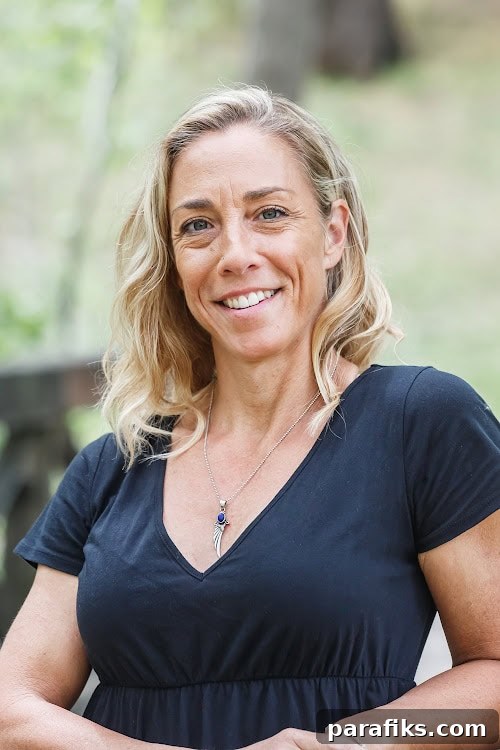
1. Tell me your story. Who are you, and what do you do?
I launched my business in 2017. Before that, I spent 14 years working in mental health, primarily as a therapist, where writing was an essential part of my role. When I needed to generate income and stay home with my infant daughter, I took stock of the skills I could use remotely.
At the time I was rebuilding my life after a crisis and leaving a shelter. I needed a stable, legitimate way to support my family quickly. I began as a freelance writer and soon expanded into virtual assistant work with a focus on content services. Working with different businesses taught me about marketing, operations, and client needs. Branching beyond writing allowed me to grow my income faster.
Over time my services evolved into copywriting, content marketing strategy, and book coaching. I refined my offerings to align with the clients I wanted and the rates I aimed to charge. From the beginning I provided steady financial support for my family; by about year three I could afford a three-bedroom home and private school for my daughter.
I’ve earned a full-time income for the past six years.
2. What exactly does a virtual assistant do?
A virtual assistant provides remote services that help a business run smoothly. That can include administrative tasks, customer support, content creation, marketing assistance, technical support—essentially anything a business owner wants to outsource.
3. Why did you decide to become a virtual assistant? How did you get started?
I started as a freelance writer, then a coach encouraged me to broaden into virtual assistant services so I could serve clients in multiple ways. I needed flexible, legitimate work that would let me be with my daughter and provide stable income.
I listed skills I enjoyed and reached out to contacts in the writing and freelancing world, despite mixed responses from people around me. Having tried network marketing earlier, I wanted a model that felt sustainable and honest. I joined an early version of what is now Fully Booked, invested in my education, and implemented the lessons step by step.
4. How did you find your first client? Any tips on finding initial clients or what worked well for you?
My first clients arrived almost simultaneously. One came from my existing network: I referenced an old contact in a blog post, shared it with him, and we reconnected. He hired me and that relationship lasted nearly three years and produced referrals.
The second client came from a client leads program. I responded to an early lead, submitted a video pitch for a task I hadn’t done before but could learn, and won the job. The client continued to pay me even after the work tapered off because he valued my support and reliability.
Many people underestimate their network. Reach out — people who know you often want to help. Most members of the Fully Booked community find their first clients through existing contacts. Reaching back out can be uncomfortable, but it can also create the foundation for a growing business.
5. What do you enjoy most about being a virtual assistant?
What I appreciated most were the people I worked with. Supporting solopreneurs and helping them bring their ideas to life was meaningful work. Equally important was the lifestyle it allowed: being present with my daughter, working from home, and shaping a schedule that fit our life.
6. How much money can someone realistically earn as a virtual assistant?
Virtual assistants can earn into the six figures, depending on their approach and focus. I’ve seen people go from starting out to being fully booked within months, and some build agencies quickly. While some undervalue their services initially, it’s realistic to earn a full-time income as a VA. For many it’s a sustainable career; for others it’s a stepping stone to other opportunities.
7. What skills or qualifications are needed to succeed as a virtual assistant?
Success as a virtual assistant relies more on perseverance, self-belief, consistent action, and strong communication than on formal qualifications. Professionalism, reliability, and integrity matter a great deal because this work is relationship-driven. Clients often hire people they like and trust, sometimes before precise roles are defined.
8. What kind of equipment does someone need to get started as a virtual assistant?
The essentials are a computer and a reliable internet connection. You can begin using free tools—Calendly for scheduling, PayPal or Wave for invoicing, and Google Docs for file sharing. Invest in paid software as your business grows.
9. What is your typical work schedule? How many hours do you work each week, and how flexible is your schedule?
I typically start after taking my daughter to school, walk my dogs, and begin work around 9 a.m., finishing around 2 p.m. to pick her up. I earn a full-time income working about 20 to 30 hours per week, often closer to 20. My schedule is intentionally flexible; clients don’t expect constant availability outside scheduled meetings.
At different times in my life I adapted my schedule—working nights when necessary or structuring work around life on a horse ranch. The business needed to fit my life, and it does.
10. Is there room for new virtual assistants in the industry?
Yes. Demand for remote and freelance services has grown, and businesses continue to outsource work. The need for virtual assistants remains strong and is likely to keep increasing.
11. Can you list the steps to get started as a virtual assistant?
- Decide and commit to starting.
- Identify the services you can offer based on your skills and interests.
- Start talking to people—your network is more valuable than you realize.
- Set up a basic invoicing method.
- Take action consistently, even if it’s small steps.
If you want a sustainable business, learn how to run it deliberately to avoid recreating the burnout of a traditional job from home.
12. What are your best tips for someone who wants to become a virtual assistant?
Start now. Don’t get stuck planning for years. Take consistent action, test approaches, and adjust as you go. Stay curious and treat setbacks as learning opportunities. Build a support network—a community or coach can offer perspective and momentum when you need it.
13. What can a person learn from your course? Can you tell us about some of the people who have successfully taken your course?
The Fully Booked program teaches the essentials of launching a service-based business: setting up contracts and invoicing, finding and landing clients, client onboarding, feedback management, meeting structure, and cultivating the right mindset. The course removes much of the guesswork involved in early business stages.
Members have used the program to reach a range of goals. One recent student joined for side income and more family time, and within eight months she was fully booked. Within a year she started an agency and hired five other members. Others specialized and grew into high-income roles. There’s no single path—success depends on how you apply what you learn to your goals.
Are you interested in starting a virtual assistant business? What other questions do you have?
Recommended reading:
- How to Become a Copywriter and Earn Over $100,000 a Year
- How To Start A Proofreading Business And Make $4,000+ Monthly
- How To Start A Bookkeeping Business Online
- How To Make Money With A Laptop
- How To Start a Remote Cleaning Business and Make $100,000+ Each Year