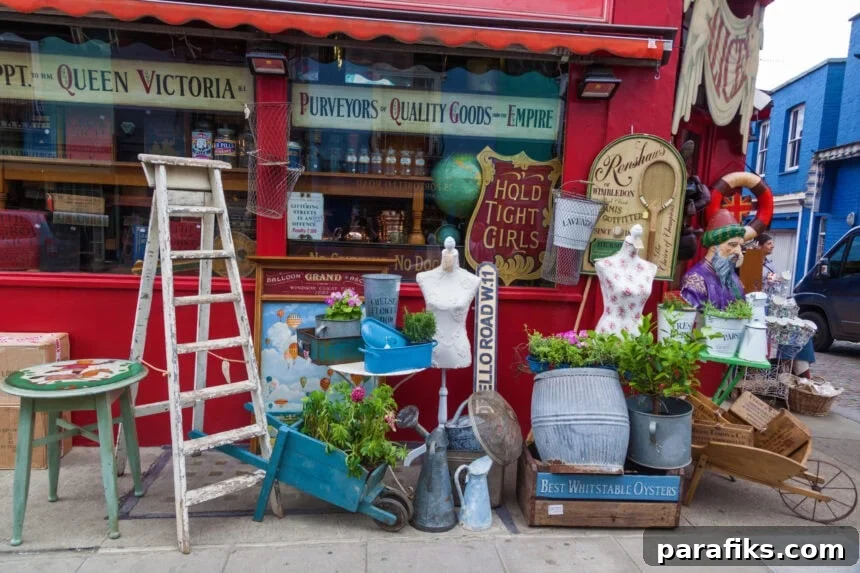
Do you want to know the best places to sell antiques for the highest return?
People buy antiques for many reasons: the story behind an item, the sustainability of reusing things, superior craftsmanship, the charm of vintage design, and the thrill of discovery. Selling antiques can be a smart way to earn extra income while decluttering your home.
In this article, you’ll learn:
- Top places to sell antiques
- How to determine if your antiques have value
- Which apps can help identify antiques
- Practical tips for selling
Where to Sell Antiques for Cash
Here are reliable venues and marketplaces for selling antiques, both online and in person.
1. eBay
eBay brings global buyers to a single marketplace, making it easier to find collectors and enthusiasts searching for specific antiques. It’s often the first stop for people hunting vintage or rare items because of its widespread reputation for selling older goods.
Buyer protection and services like eBay’s Global Shipping Program also make cross-border sales more accessible and reduce risk for buyers, which can increase buyer confidence and help you close sales.
2. Etsy
Etsy is known for handmade and vintage goods and has a large audience of vintage collectors. The platform displays listings attractively, which makes browsing easy for buyers. You’ll find thousands of antique categories—furniture, books, coins, toys, textiles, dolls, and more.
Creating a branded Etsy shop helps build repeat customers. To succeed on Etsy, use high-quality photos, write detailed descriptions, consider offering free shipping, and promote your shop via social media to attract followers and repeat buyers.
3. Ruby Lane
Ruby Lane specializes in antiques, art, jewelry, and collectibles and caters to buyers seeking high-quality, authentic items. Sellers open virtual storefronts, similar to Etsy, but Ruby Lane is selective about listings to maintain quality and authenticity.
Instead of charging per-listing fees, Ruby Lane typically uses a subscription model combined with selling fees, which appeals to sellers with consistent, higher-value inventory.
4. Bonanza
Bonanza is an easy-to-use marketplace suitable for beginners. You can list antiques without much friction, and the platform integrates well with other marketplaces. Keep in mind its audience is smaller than Etsy or eBay, and while listing can be free, there are account setup and selling fees that may apply.
5. Facebook
Facebook Marketplace and niche Facebook groups are popular for selling antiques because they reach a broad audience and typically do not charge listing fees. You can sell locally to avoid shipping or ship nationwide if you prefer. Local sales eliminate postage costs but require meeting buyers in person—always take safety precautions. Join specialized groups for antiques to reach more targeted buyers, and follow each group’s rules.
6. Antique Shops
Antique shops and malls attract customers already interested in vintage and collectible items. Shop owners are often knowledgeable and can help with pricing and sales strategy. You might rent a booth to display multiple items or consign a single piece. The main downside is competition and clutter—your item can be one among many, so presentation matters.
7. Consignment Shops
Consignment stores are low-risk if you prefer not to handle direct sales. Some consignment shops specialize in categories such as furniture or toys, connecting your items with a focused audience. Consignment stores take a commission, so review terms carefully to understand the payout and any time limits for unsold items.
8. Flea Markets
Flea markets put your antiques in front of many casual shoppers and collectors. Booth fees are usually affordable, though costs vary by location. Flea markets can be ideal for volume selling but may attract browsers who expect bargain prices, so high-value or rare items may not fetch top dollar in this setting.
9. Antique Fairs
Antique fairs draw serious collectors and enthusiasts, increasing the odds of selling higher-value items at better prices. These events often have strong foot traffic and a buyer audience specifically looking for antiques, which can help you command fair market value.
10. Auction Houses
Auction houses sell antiques through public bidding. They can handle marketing, staging, and sometimes appraise items before sale. Auctions are effective for rare or highly desirable antiques and can achieve competitive prices, though auction houses take a commission for their services.
11. Estate Sales
Estate sales offer a way to sell many items quickly, often held when someone is downsizing or settling an estate. Professionals typically manage pricing, advertising, and handling the sale. Estate sales aim to sell items promptly, so prices may be set to encourage fast turnover.
12. Pawn Shops
Pawn shops provide fast cash without listing or shipping, but they must resell for profit and usually offer less than market value. If you choose a pawn shop, don’t accept the first offer—negotiate and research your item’s value beforehand to improve your outcome.
Frequently Asked Questions
Answers to the most common questions about selling antiques.
What is the best way to sell antiques?
The best method depends on your goals: whether you want the highest price, a fast sale, or minimal effort. Online marketplaces like eBay, Etsy, and Ruby Lane reach many buyers and can yield higher prices for rare items. Local options—flea markets, consignment shops, pawn shops, or estate sales—can be better if you want quick, in-person transactions or don’t want to manage online listings.
What is the best place to sell antiques online?
Popular online options include Etsy, eBay, Ruby Lane, and Facebook Marketplace. Choose the platform that best matches your item’s style, price range, and the type of buyer you want to reach.
Can I sell antiques on Amazon?
Amazon has categories for used and vintage items, but it’s generally not the ideal venue for most antiques. Other marketplaces that specialize in vintage and collectibles tend to attract more appropriate buyers.
Can I sell antiques at a garage sale?
Yes, but garage sales typically attract bargain hunters and may not deliver the highest prices. Garage sales can work for lower-value pieces or to clear out many items quickly, but for valuable antiques, targeted marketplaces or auctions often produce better returns.
Do antiques sell better on eBay or Etsy?
eBay often performs better for rare, collectible, or highly sought-after items because of its large, diverse audience. Etsy tends to be better for vintage items that appeal to shoppers looking for curated, visually appealing pieces with a clear vintage aesthetic.
How do I find out if my antiques are worth anything?
Look for maker’s marks, signatures, dates, or labels. Research comparable sales using eBay’s sold listings, Etsy, and Google Image Search. Visit local antique dealers for informal evaluations and ask in collector forums or social communities for additional feedback.
Is there an app to identify and value antiques?
Yes—apps and online services can help. WorthPoint offers extensive historical pricing data and auction records but requires a subscription. Google Lens can identify similar items from a photo and point you to online listings and references. Kovels provides a comprehensive price guide and identification resources via its website, useful for general antique research.
Can Google Lens identify antiques?
Google Lens uses visual recognition to find similar items and related information online. It can provide helpful clues but isn’t always exact—rare or obscure items may have limited references, so use Lens as one part of your research rather than a definitive appraisal tool.
Best Places to Sell Antiques – Summary
Antiques come in many forms: furniture, coins, clocks, paintings, books, ceramics, jewelry, toys, musical instruments, clothing, silverware, and more. The best place to sell depends on what you own and whether you want the highest price, a quick sale, or minimal effort.
Online marketplaces like eBay, Etsy, Ruby Lane, and Facebook are excellent for reaching buyers, while antique shops, consignment stores, flea markets, fairs, auctions, and estate sales serve different seller priorities. For fast cash, pawn shops and local sales can work but often pay less than specialized channels.
Are you thinking of selling antiques? What do you have to sell?
Recommended reading:
- 15 Best Places To Sell Used Furniture For Cash
- 16 Best Places To Sell Clothes For Cash
- 10 Best Places To Sell Beanie Babies
- How To Sell Gold – Step-by-Step Guide
- 11 Best Places To Sell Gold For Cash
- Where To Sell Old Coins
- 8 Best Places To Sell Designer Bags