
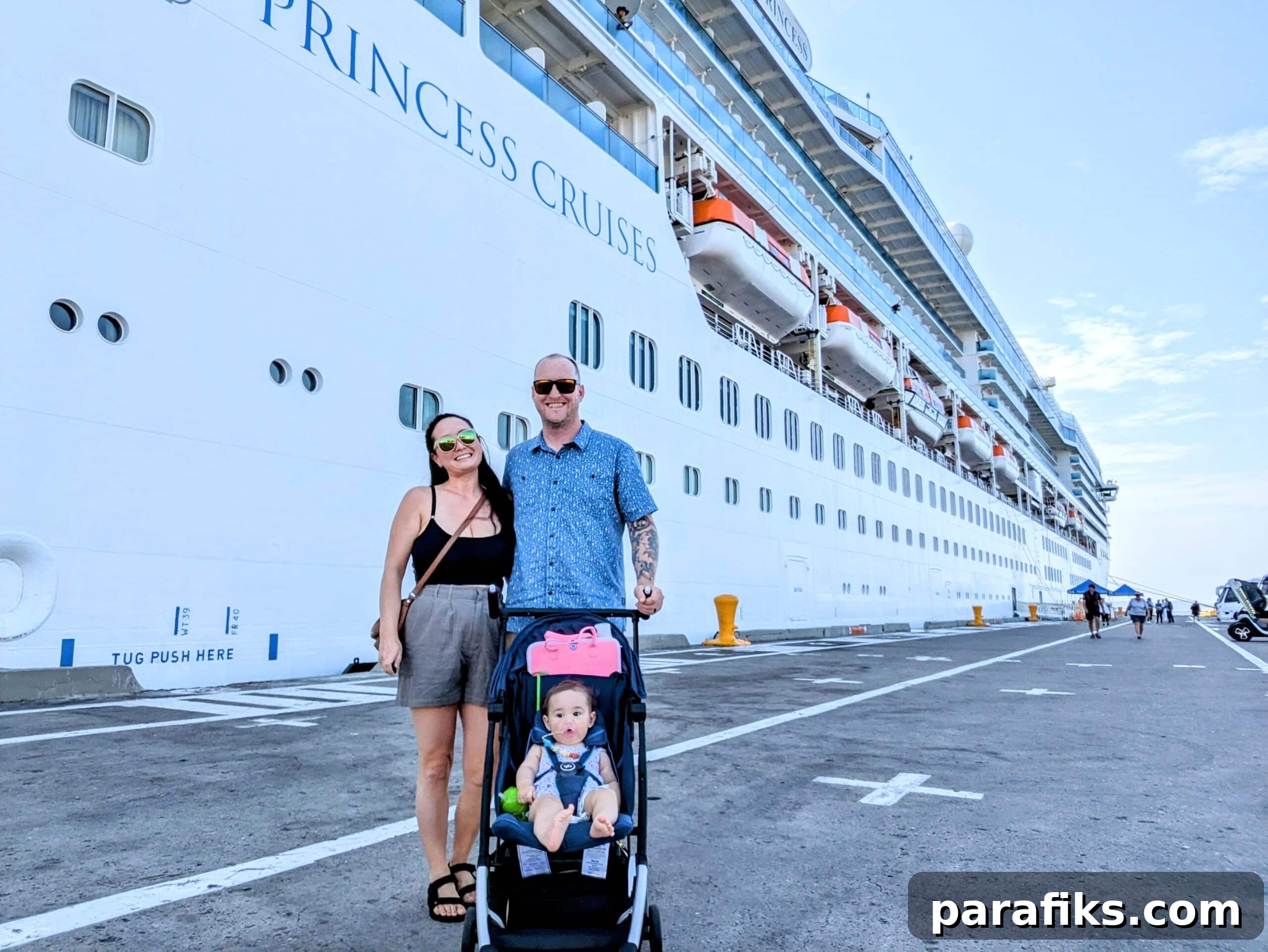
We recently took an around-the-world cruise — a once-in-a-lifetime experience I’m incredibly grateful we had the chance to enjoy.
The voyage began in Florida, transited the Panama Canal, crossed the Pacific, visited numerous ports in New Zealand and Australia, sailed through several Asian islands and cities, crossed the Indian Ocean, passed through the Suez Canal, explored the Mediterranean, and finally crossed the Atlantic back to our starting point.
In total, we visited nearly 30 countries across six continents and crossed multiple oceans — all while staying in the same cabin and on the same ship. The convenience of unpacking only once while seeing so much of the world was priceless.
We created countless memories on the trip, and recalling them reminds me how fortunate we are to have had this opportunity. I know an around-the-world cruise isn’t for everyone, but I wanted to share our experience for anyone curious about what it’s like.
After our daughter was born, we learned about world cruises and were immediately intrigued. We figured that while she was still young, this was a great time to slow down and travel with fewer responsibilities. As with most cruises, meals were taken care of, allowing us to focus on making memories together. We were excited that we only had to unpack once while visiting dozens of countries. Although a cruise gives you a taste of each destination rather than deep immersion, it was a lot of fun exploring each port.
We’ve posted daily recaps and photos from the world cruise on our Instagram account.
I’ve been asked many questions about the trip, so I turned this into a blog-style guide to help others who are considering a similar voyage. World cruises can be expensive, but toward the end I’ll cover more affordable options and strategies for making a global cruise more attainable.
What is an around-the-world cruise?
An around-the-world cruise is a long voyage that visits multiple continents, many countries, and a wide range of destinations in a single itinerary. Typical world cruises run around four months, though some are shorter segments and a few extend much longer. These journeys are designed for travelers seeking a bucket-list experience and usually visit a mix of major cities and off-the-beaten-path ports.
World cruises commonly depart in January and run through spring, though some sail from southern hemisphere ports during other seasons. Many begin in U.S. ports like Florida or California, but starting points can vary worldwide. Because these cruises are limited in number and popularity, booking well in advance is recommended.
Common ways to book include the cruise line’s website, third-party cruise sites, or a travel agent.

My experience on a world cruise
Before this trip, we’d only taken one other cruise, and that was ten years earlier. Many people thought we were crazy to book a four-month voyage, but we had a good feeling and it turned out to be wonderful. Although we normally travel by boat or RV, we wanted something easier for family time. Not catching flights, unpacking only once, and having freedom to explore at our own pace made the entire trip relaxing and memorable — even if our daughter might not recall it all yet.
Some of our favorite stops were:
- Huatulco, Mexico
- Moorea, French Polynesia
- Tauranga, New Zealand
- Cairns, Australia
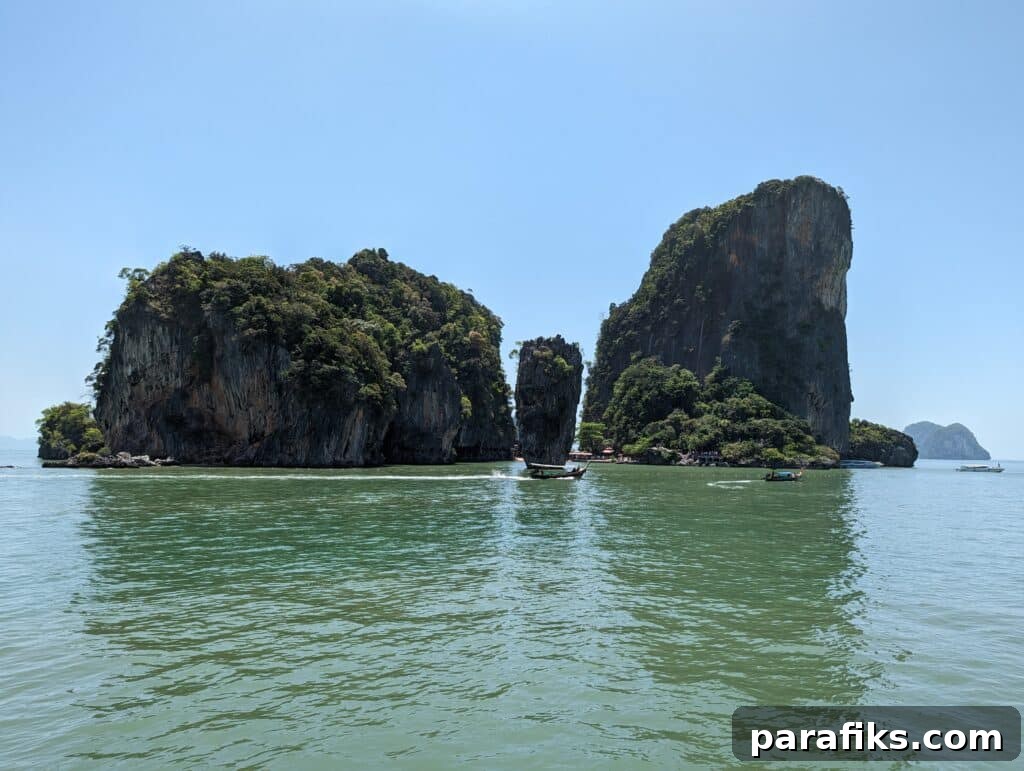
- Phuket, Thailand
- Muscat, Oman
- Dubai, United Arab Emirates
- Kusadasi, Turkey (for Ephesus)
- Gythion, Greece
- Kotor, Montenegro
- Rome, Italy
- Barcelona, Spain
- Canary Islands
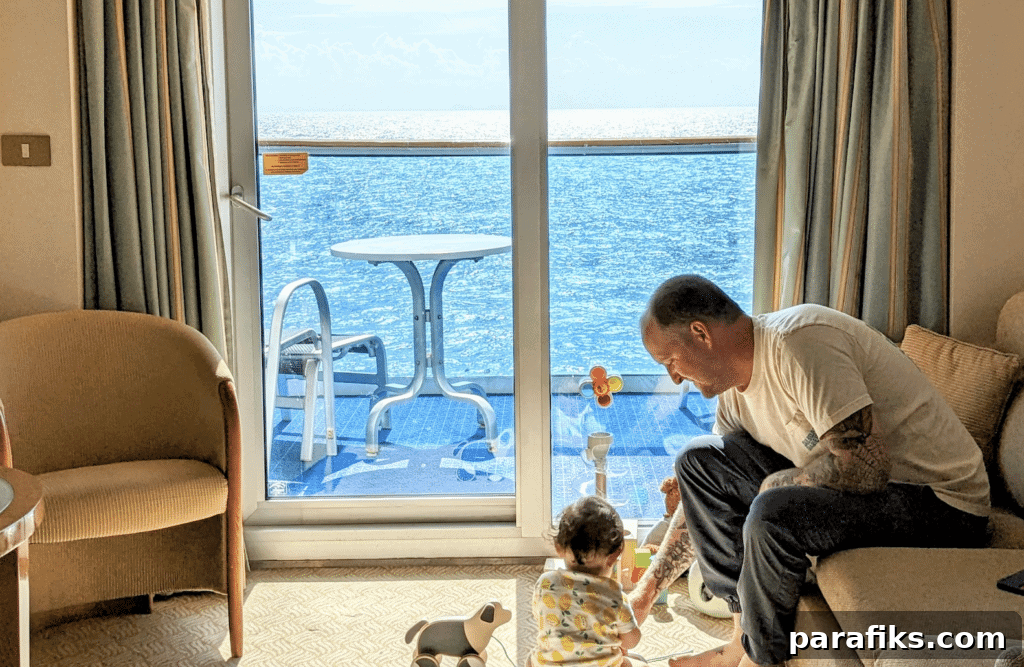
We sailed round-trip from Fort Lauderdale, which was convenient because we drove to the port. Families were relatively rare aboard; during our voyage there was only one other family for the full cruise and another toddler family for part of the trip. Traveling with our daughter turned out to be a joy — she learned to walk, swam in several oceans, and played in playgrounds across nearly 30 countries.
I still worked during the cruise, so reliable internet was essential. After research we chose Princess Cruises because of its strong reputation for Wi‑Fi at sea. The connection was good enough for work, and many cruise lines are upgrading to better satellite services like Starlink, which should improve onboard internet across the industry.
Top tips from our trip:
- Pack strategically if you drive. We filled the car with essentials, including over 800 diapers, so we wouldn’t need to hunt for supplies in foreign ports.
- Consider a room with a view. A balcony or balcony-adjacent cabin gave us extra space and fresh air, and our daughter had room to move. Interior cabins save money if you don’t need the view.
- Prefer private excursions where it makes sense. Private tours or rented cars let you explore at your own pace and can cost about the same as ship-organized excursions.
- For tendered ports, book the ship’s excursion. When the ship anchors offshore and uses tenders, passengers booked on ship excursions get priority disembarkation; independent passengers can face long waits.
- Join your ship’s Facebook group. Most world cruises have active Facebook groups where passengers share tips, meetups, and updates — extremely useful for planning and socializing.
Itinerary and destinations
Itineraries vary by cruise line and sailing year, but world cruises commonly include regions such as:
- Asia: Stops can include Tokyo, Bali, Phuket, Hong Kong, Vietnam, Indonesia, India’s Taj Mahal, and other cultural and historical sites.
- Australia and New Zealand: The Great Barrier Reef, Sydney, pristine beaches, and unique wildlife.
- Central America: Panama Canal transits, plus visits to Mexico, Costa Rica, Colombia, and Caribbean islands.
- Europe: Mediterranean and northern Europe ports such as Rome, Barcelona, Greece, France, and more.
- South America: Destinations like Peru (Machu Picchu), Brazil, and sometimes Argentina or Antarctica on longer itineraries.
- South Pacific: Islands such as Tahiti, Bora Bora, and Fiji provide stunning scenery and cultural experiences.
- Africa: Ports may include Morocco, Cape Town, Egypt, and unique safari or historical stops.
Many world cruises include tendered ports where the ship anchors offshore and passengers are transported ashore by lifeboat or tender. Those with mobility limitations should verify tender logistics, as some ports can be challenging in rough conditions.

Sailing duration and segment options
Full world cruises typically run about 100–180 days, though some are longer. If you can’t commit to a full circumnavigation, many lines sell the cruise in segments, which can range from two weeks to 60+ nights. Booking a segment lets you experience part of a world cruise without the full time or cost commitment while still enjoying onboard amenities and diverse destinations.
To choose a segment, research which destinations are included, decide your ideal duration based on availability and budget, and compare amenities across cruise lines.
Accommodation and onboard amenities
Consider the following when choosing a cruise and cabin:
- Staterooms and suites: Options range from interior cabins to large luxury suites. Some ships cater to smaller groups while others carry thousands of passengers.
- Dining options: Most fares include main dining rooms and buffets, but specialty restaurants, premium beverages, and certain services may cost extra on some lines.
- Entertainment and leisure: Ships offer theaters, fitness centers, pools, libraries, classes, and specialty programming tailored to regions visited — from local music to cultural workshops.
- Guest count: World cruises tend to be smaller than mainstream mega-ships, though capacities vary widely between lines and itineraries.
Cost and inclusions
World cruise pricing varies significantly. Generally, fares range from around $12,000 to $100,000+ per person depending on cruise length, cabin class, line, and amenities. Typical inclusions often cover your chosen accommodation, most meals, and onboard entertainment. Higher-end fares may include shore excursions, premium beverage packages, or business/first-class airfare.
Taxes, fees, and gratuities
In addition to the base fare, factor in port charges, regulatory fees, and government taxes (VAT, GST, etc.). Gratuities are commonly charged either as part of the fare or added to your onboard account, and typically average around $13–$17 per person per day depending on the line.

Tips for booking
- Book early: World cruises often sell out quickly, so reserve your cabin as soon as you can to secure the best options and itineraries.
- Look for early-bird deals: Discounts may include reduced fares, onboard credits, complimentary upgrades, or included airfare.
- Compare itineraries and inclusions: Some lines include shore excursions or premium services that others don’t, so review what each fare covers before booking.
Around-the-world cruise lines
Several major cruise lines operate world cruises. Itineraries change yearly, so check each sailing’s exact route. Some notable options include:
Princess World Cruise
Princess Cruises offered the itinerary we took: a roughly 111-day voyage departing Fort Lauderdale or Los Angeles, visiting about 51 destinations in 27 countries across six continents. We loved the ship, the crew, and the variety of ports. Princess is also known for strong onboard Wi‑Fi, convenient laundry facilities, family-friendly spaces, and broad dining options. Prices vary by cabin type, starting in the mid-teens per person for interior cabins and rising significantly for suites.
MSC World Cruise
MSC’s world cruise options (for example, a roughly 120-day sailing on MSC Poesia) include a mix of Atlantic and Indian Ocean ports and sometimes offer a number of complimentary shore excursions. Starting ports in Europe and internally chosen excursion bundles can make MSC an attractive option for some travelers.
Royal Caribbean Ultimate World Cruise
Royal Caribbean’s Ultimate World Cruise is one of the longest publicized offerings — around 274 nights — visiting all seven continents and dozens of countries. Because it’s much longer than typical world cruises, it covers more remote and varied destinations and carries a premium price tag, though the cruise is sold in segments as well.
Cunard Full World Voyage
Cunard sails a roughly 120-day World Voyage aboard the Queen Mary 2 with itineraries that include Africa, Asia, Australia, and Europe. It’s a classic, more traditional style of world voyage with a strong emphasis on onboard refinement.
Holland America
Holland America’s Grand Voyages and world itineraries emphasize cultural immersion and thoughtful port programming. These voyages often exceed 120 days and cover a wide range of destinations with a focus on enrichment and regional experiences.
Oceania and Regent Seven Seas
Oceania and Regent Seven Seas cater to luxury travelers: Oceania’s world cruises are long, refined itineraries, while Regent’s all-inclusive model typically bundles shore excursions, first-class airfare, and onboard services into the fare. Both tend to sell out quickly due to smaller passenger counts and upscale inclusions.

How to make a world cruise more affordable
Full circumnavigations are often expensive, but there are strategies to reduce cost:
- Book segments: Take a portion of a world cruise rather than the entire voyage.
- Combine repositioning cruises: Repositioning sailings are typically cheaper as ships move between regions; chaining them together can create a do-it-yourself world route.
- Choose a smaller or interior cabin: Reduce fare costs by selecting a less expensive room type.
- Consider working on a ship: Some crew members and staff travel extensively as part of their jobs; note that these roles require significant work commitment.
- Plan and book early: Early-bird discounts and promotions can significantly lower the overall price.
Frequently asked questions
What is the average cost?
Costs range widely. Typical fares start around $12,000 per person and can exceed $100,000 for luxury, all-inclusive voyages. Prices depend on itinerary, cruise length, cabin selection, and included services.
Which cruise lines are best?
Top choices include Princess, Royal Caribbean, Cunard, MSC, Holland America, Oceania, and Regent — each offering different styles, amenities, and price points.
How long do world cruises last?
Common durations are 100–180 days, with some exceptional voyages lasting longer. Segment options allow shorter commitments.
Is food included?
Most meals are included in the cruise fare. Specialty restaurants and premium drinks may cost extra unless a package includes them.
Is there Wi‑Fi?
Yes, but quality varies. We paid for a reliable plan on Princess so I could continue working; many lines are improving connectivity by adopting advanced satellite systems.
How is laundry handled?
Some ships offer self-service laundry on every deck or pay-per-use services. Self-service laundries are convenient for long voyages and families.
Do I need visas?
Visa requirements depend on your passport and the countries visited. Many cruise lines assist with visas for certain itineraries, but passengers should confirm requirements and obtain any necessary visas ahead of departure.
Packing recommendations
Because the voyage spanned months and climates, we packed thoughtfully. Useful items included laundry detergent strips, refillable water bottles, magnetic hooks for cabin walls, a selfie stick for family photos, and a collapsible suitcase for storage space.

Are around-the-world cruises worth it?
An around-the-world cruise can be an extraordinary, convenient way to see the world with comfort and structure — unpack once, enjoy daily new destinations, and rely on the ship for meals and logistics. The trade-offs include cost, limited time in each port, and the need to be away for months. If the itinerary, price, and timing fit your life, a world cruise can be an unforgettable way to travel.
Would we do it again? Yes. It remains one of the best trips we’ve taken, and I hope we’ll have the chance to sail another world cruise in the future.
Are you interested in going on an around-the-world cruise?