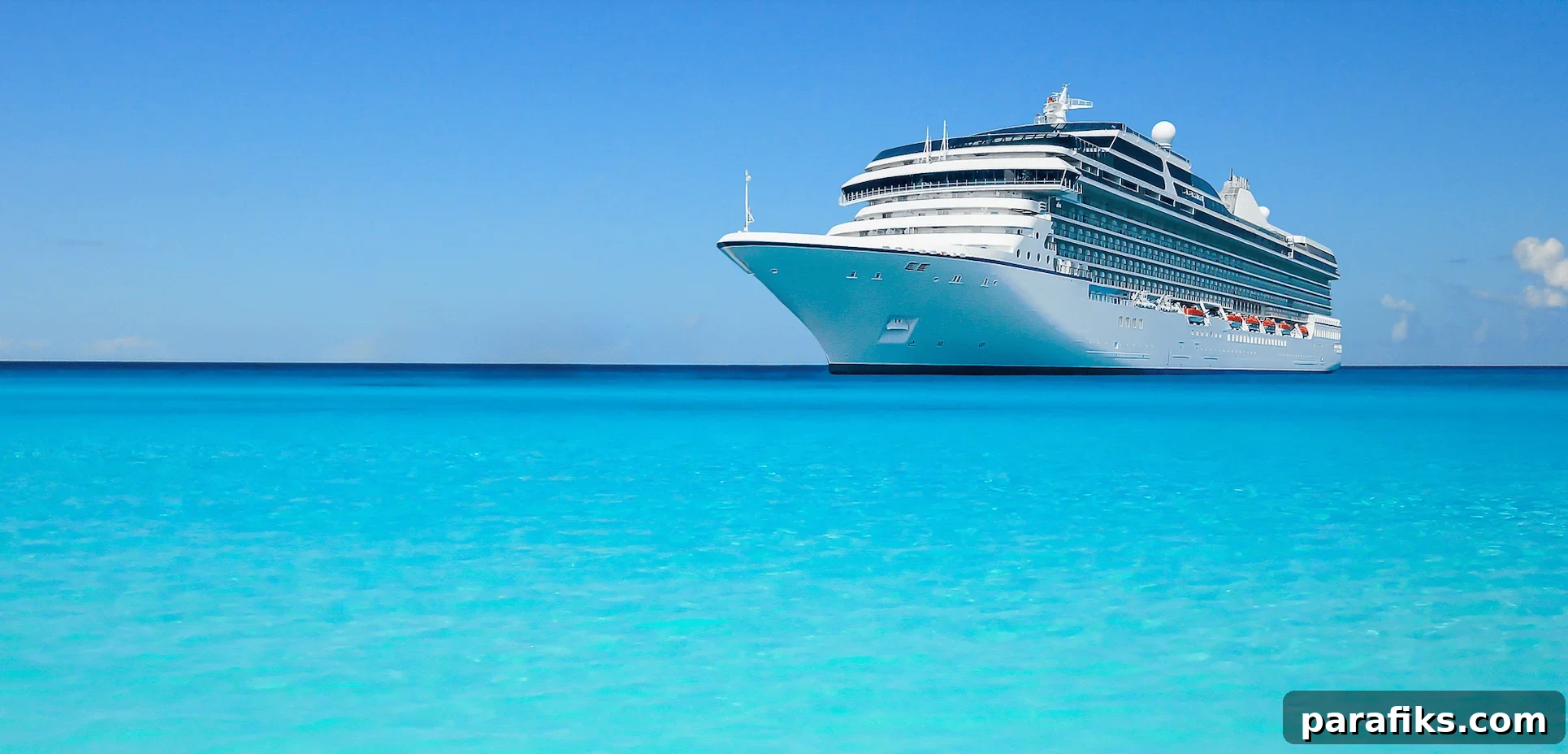
Do you want to work on a cruise ship and are wondering how to find cruise ship jobs?
Cruise ship positions offer a distinctive way to earn a living while traveling. You can visit incredible destinations, experience new cultures, and develop skills in fields ranging from hospitality and entertainment to technical and medical services. Many roles include free room and board, which helps you save while you’re at sea.
Living and working on a ship can be an exciting career choice if you enjoy meeting new people and don’t mind extended time away from home. Crew members typically work hard, often long shifts, but many find the opportunity to travel and the chance to build international friendships deeply rewarding.
Best Cruise Ship Jobs
Here are some of the most sought-after and rewarding cruise ship jobs, with a brief look at what each role involves and the skills typically required.
1. Cruise director
The cruise director leads the onboard entertainment program, coordinates events, and ensures guests enjoy a memorable experience. This role requires excellent public speaking and strong people skills. Cruise directors often have long, demanding hours but can earn competitive salaries, sometimes exceeding six figures on major lines. Many cruise directors start in entry-level entertainment or activities roles and advance over time.
2. Cook
Cooks on cruise ships work across different kitchen stations, from line cook to executive chef. Culinary training and prior kitchen experience are helpful. The kitchens are fast-paced and rely heavily on teamwork to prepare meals for both passengers and crew.
3. Casino dealer
Casino dealers run table games such as blackjack, roulette, and poker. The role is interactive and social, and shifts can be long—commonly around 10 hours. Dealers benefit from steady interaction with guests and the shipboard lifestyle perks like free meals and visitable ports.
4. Youth room worker
Youth room workers plan and supervise activities for children and teens, organizing games, crafts, and sports. Ships often have distinct age-group programs, and staff must ensure safety while keeping kids engaged. This job suits creative, energetic people who enjoy working with children.
5. Guest services associate
Guest services associates staff the front desk and assist passengers with inquiries, reservations, and complaints. Strong communication, patience, and multilingual ability are valuable, as crew members interact with international guests and must resolve issues calmly and professionally.
6. Entertainment host
Entertainment hosts organize and lead activities such as trivia, deck parties, and live shows. Being outgoing, confident on stage, and comfortable engaging audiences are key. Experience in hospitality or performing arts helps applicants stand out.
7. Housekeeping
Housekeeping staff keep passenger cabins and public areas clean and comfortable. Roles include stateroom stewards, laundry attendants, and utility cleaners. Prior hotel or cleaning experience is often preferred, and attention to detail and reliability are essential.

8. Shore excursion desk
Shore excursion staff plan and sell tours for passengers at ports of call. This role requires strong sales and customer service skills, good knowledge of local tour options, and the ability to work early mornings and flexible hours on busy port days.
9. Bartender
Bartenders mix drinks, serve beverages, and keep bars clean and stocked. The role is social and fast-paced, and experienced bartenders often build strong rapport with regular guests. Many bartenders report steady pay and tips, making it a desirable onboard job.
10. Spa worker
Spa roles include massage therapists, estheticians, hair stylists, and nail technicians. These positions focus on guest relaxation and wellness and require professional certifications. Working in a spa combines specialized skills with the benefit of traveling to scenic destinations.
11. Photographer
Onboard photographers capture passenger moments in studios, around the ship, and at events. The job blends technical skill and people skills to create lasting memories, from formal portraits to candid shots during excursions.
12. Waiter
Waiters serve meals in dining rooms and buffets, take orders, and ensure guests are satisfied. The role demands long shifts—often 10–12 hours daily—and consistent customer service. Waitstaff frequently work throughout the contract without many full days off.
13. Crew
Crew positions include captain, first officers, bosuns, and deckhands. These roles handle ship operations, navigation, maintenance, and safety. Many of these careers require maritime certifications and technical expertise, and they are vital for safe ship operation.
14. Performers
Performers—bands, dancers, magicians, comedians, and acrobats—entertain guests nightly. These roles are competitive but offer a unique chance to perform for international audiences while traveling. Experience and a strong audition package are typically required.
15. Medical staff
Medical teams, including doctors and nurses, staff onboard medical centers and treat passengers and crew. These roles often require specialized qualifications and the ability to manage a wide range of health issues in a maritime setting.
16. Security
Security officers maintain passenger and crew safety by monitoring cameras, patrolling the ship, and assisting with embarkation and disembarkation procedures. The work requires vigilance and strong situational awareness.
17. Retail shop associate
Retail associates staff onboard shops selling jewelry, clothing, and souvenirs. Duties include customer service, sales transactions, and inventory management. Compensation sometimes combines base pay with commission incentives.
18. Engineer
Engineers maintain the ship’s mechanical and electrical systems, including engines, generators, and water-treatment systems. These roles demand technical training and quick problem-solving to keep schedules on track.
How To Start Your Career on a Cruise Ship
Beginning a career at sea involves meeting basic requirements, applying carefully, and understanding daily life onboard. Below are practical steps and what to expect once you join a ship’s crew.
Required qualifications and skills
Common basic requirements include:
- Minimum age of 18
- Proficiency in English or the primary language of the homeport
- A valid passport
- Passing a medical examination
- The ability to work long hours and adapt to ship life
Certain positions require specialized training—chefs need culinary experience, engineers need technical credentials, and performers require relevant performance experience. Soft skills like friendliness, teamwork, and professionalism are highly valued across all roles.
Application process
To apply for cruise positions:
- Visit cruise line career pages and review job listings.
- Select roles that match your skills and experience.
- Complete online applications and upload a resume and a professional photo.
- Wait for a response—processing can take weeks or months.
- If selected, prepare for phone or video interviews; some lines also host in-person hiring events.
Daily routine of life onboard a cruise ship
Shipboard life blends work and community living. Shifts often start early and range from 8 to 12 hours daily. Breaks tend to be short, and most crew eat in dedicated dining areas. Free time can include visiting the crew lounge, using the staff gym, or socializing at crew areas, but crew members are often on call even when off duty.
Expect busy days, limited privacy, and a strong emphasis on teamwork. Contracts commonly span months, with time off between contracts.
Living accommodations
Crew cabins are typically compact and shared, with bunk beds, a small bathroom, storage, and sometimes a TV. Cabin size and comfort usually depend on job rank; senior staff often receive larger or private cabins.
Benefits and Challenges of Cruise Ship Jobs
Working on a cruise ship offers clear advantages and notable trade-offs. Understanding both can help you decide if this lifestyle suits you.
Getting paid to travel
Cruise jobs allow you to see multiple countries while earning a salary. Many crew members visit dozens of ports during a contract, from tropical islands to northern fjords. Keep in mind that work obligations often limit the time you have to explore each port, and some stops last only a few hours.
Work-life balance
Life at sea differs from a typical office job—long hours seven days a week are common, and living spaces are shared and compact. On the plus side, housing and meals are usually provided, which can help you save money and meet people from around the world. The downsides include limited privacy, time away from family, and intermittent internet access.
Frequently Asked Questions
Here are answers to common questions about working on cruise ships.
How much does working on a cruise ship pay?
Pay varies widely. Entry-level roles may start around $1,000–$1,500 per month, while senior positions such as cruise director or specialized roles can range much higher. Tips and commissions can add significantly to base pay for service and retail roles.
Can I work on a ship with no experience?
Yes. Many cruise lines hire for entry-level positions like housekeeping, food service, and youth activities. Customer service experience and a strong work ethic improve your chances.
Do cruise workers get a day off?
Full days off during a contract are rare. Crew typically work every day with limited hours off while the ship is in port. Major breaks usually occur between contracts.
Do cruise ship workers get free housing and food?
Yes. Most cruise lines provide crew accommodation and meals in designated crew dining areas. Some positions may have additional onboard privileges depending on rank.
What disqualifies you from working on a cruise ship?
Disqualifying factors can include serious criminal records, failed drug tests, or medical conditions that prevent you from passing required health clearances.
What jobs are common for women on cruise ships?
Women work across every department. Common roles include guest services, youth activities, spa and wellness, entertainment, bartending, waiting staff, and housekeeping, among others.
Is working on a cruise ship worth it?
For many people, yes. It’s a unique way to travel, develop skills, and save money because housing and meals are provided. However, it demands long hours, adaptability to close living conditions, and time away from home, so it’s not the right fit for everyone.
How To Work on a Cruise Ship – Summary
Working on a cruise ship can be an enriching experience if you enjoy travel, meeting new people, and adapting to busy, communal life. Whether you’re interested in hospitality, entertainment, technical work, or healthcare, there are many roles to explore. Meeting basic requirements, preparing a polished application, and being ready for long hours will put you on the path to a rewarding career at sea.
What role appeals to you most—entertainer, chef, guest services, or something technical like engineering? If you like traveling while working and can handle the demands of ship life, a cruise ship job could be a great fit.