Do you want to learn how to become a food blog photographer?
Yes—you can train to become a food photographer and build a profitable business working from your own kitchen.
Many food blog photographers earn around $50,000 a year, and some exceed $100,000 annually.
In this interview, I spoke with Melodee, one of the co‑founders of Pretty Focused, about the steps and skills required to become a food blog photographer.
This article focuses on food photography for bloggers. Bloggers regularly hire photographers to create images for recipe posts, and the demand for new and updated recipe content is high—creating strong opportunities for photographers who specialize in this niche.
Common questions covered in the interview include:
- Is food photography a good career right now?
- What does a food blog photographer actually do, and who hires them?
- How much can a professional food photographer earn?
- What skills and knowledge are needed to start?
- What equipment is required?
- What are the practical steps to begin working professionally?
The answers below will help you understand the field and how to get started, including ways to turn this into a reliable source of income from home.
If you want structured training, Pretty Focused offers a course that covers camera use, styling, editing, client-finding strategies, and more. They also offer a free mini course titled “How to Become a Professional Food Photographer, Even If You Have No Previous Experience.”
Related content:
- How I Make Money Selling Printables On Etsy
- 10 Ways To Make Money Baking
- 25 Of The Best Work From Home Jobs To Make $1,000+ Monthly
- How I Make $2,000+ Monthly Selling Canva Templates
- 18 Ways You Can Get Paid To Take Pictures
- How I Make $110,000 A Year As A Food Blogger
How to become a food blog photographer.
Please give us a little background on yourself and how you got started.
I’ve always loved both photography and cooking. I tried blogging at one point, but soon realized photography was my true passion. While building a portrait photography business, I helped a friend with photos for her food blog—and I was hooked.
That introduction opened a new world: I started connecting with bloggers across the country, photographing both new and existing recipes for their sites. That’s how I met Stephanie. We began working together regularly, and she became my primary client.
Stephanie started her blog, Spaceships and Laser Beams, while working a corporate marketing job. She invested long hours into the blog and eventually grew it into a profitable business that allowed her to stay home with her son. As the blog expanded, she began outsourcing work, including photography. I photographed for her until 2018, when we shifted focus to grow Pretty Focused. Today, Stephanie has graduates from the Pretty Focused program working for her blog.
What do you like about being a professional food photographer?
I love the flexibility. I get to bake, create, and be paid for doing it while working from home.
Is food photography a good career right now?
Yes. Demand from bloggers for quality photographers is strong—many bloggers report a shortage of capable photographers. If you develop the right skills for this niche, there are abundant opportunities.
What exactly does a food photographer do? Who do they work for?
This niche is specifically geared toward food bloggers, and service offerings can vary depending on how a photographer sets up their business. Generally, photographers provide two main services:
- Recreations
- Exclusives
Recreations involve photographing an existing recipe from a blogger’s archive to refresh or improve the imagery. Exclusives require the photographer to develop and prepare a recipe themselves, then photograph it; the photographer can license both the photos and the recipe.
Many people are surprised that bloggers outsource recipe development and photography, but the volume of content bloggers produce—daily new recipes plus continuous updates to older posts—makes outsourcing necessary for growth. Large blogs that publish frequently often rely on teams to meet content demands.
How much can a professional food photographer earn?
Earnings vary based on how much you work and which services you provide. Some photographers do this part-time, while others work full-time. Among full-time graduates of specialized training programs, roughly half earn $50,000 or more per year; within that group, about 25% earn over $100,000 annually.
Typical pricing examples: recreations are usually priced lower because the photographer is not developing the recipe—graduates commonly charge around $175 for recreations. Exclusives, which include recipe development and photography, average around $300.
Are there food photographer education requirements?
There are no formal education requirements to work as a food photographer for bloggers. However, there is a learning curve specific to this niche. Bloggers often prefer tutorial-style imagery that clearly illustrates steps and techniques rather than purely editorial shots. Photographers who understand how to visually communicate instructional content are in high demand.
Specialized training programs can teach those niche skills and make photographers more attractive hires for bloggers.
What is a typical food photographer work schedule? Do they work from home?
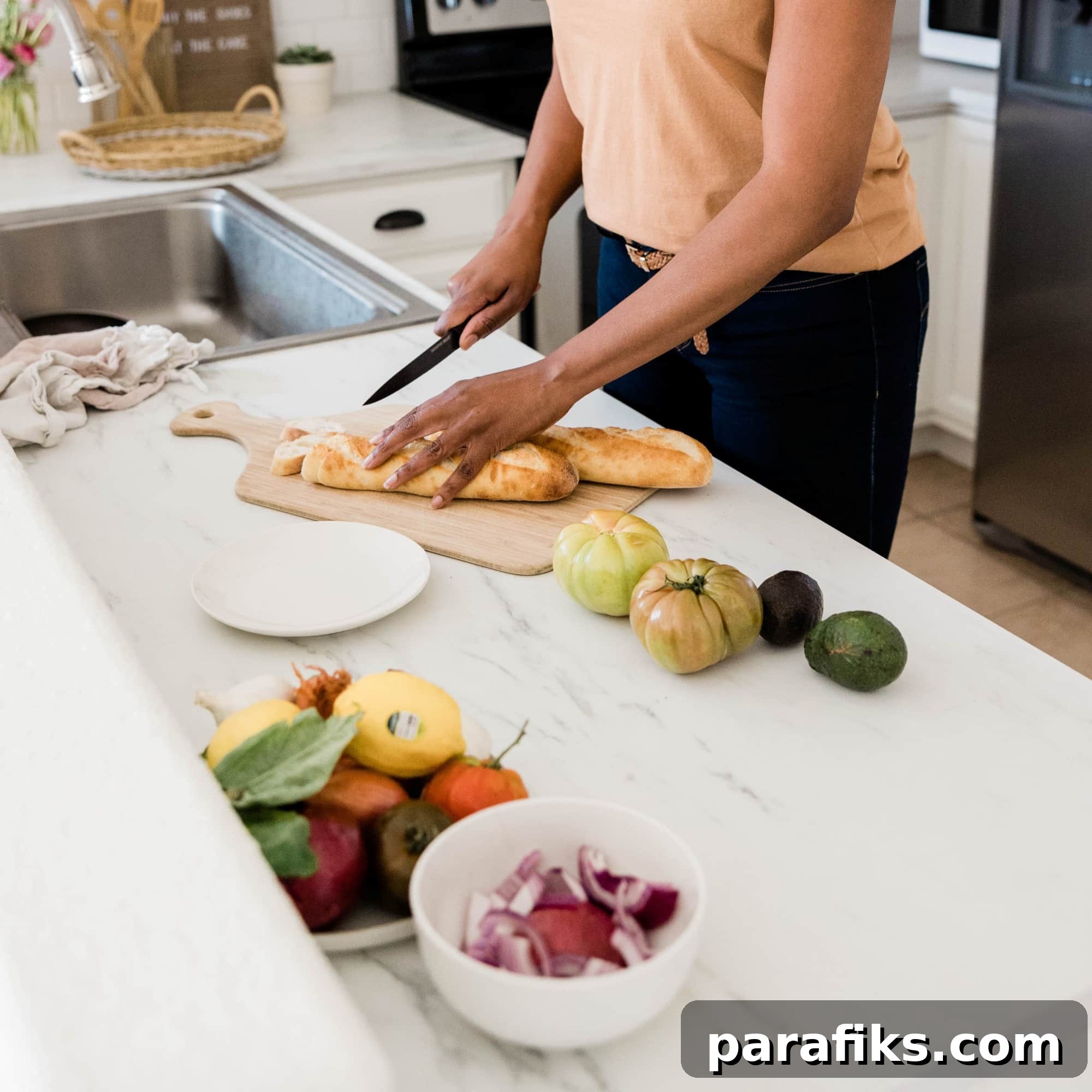
Yes—food photographers for bloggers generally work from home. They set up a designated studio space in their house, often in a dining room, garage, or other available room with suitable lighting. Photographers typically prepare recipes in their kitchen, then move dishes to their at-home studio to style and photograph them. With proper lighting and a good setup, many household spaces can serve as an effective in‑home studio.
What items does a person need to become a food photographer?
Recommended equipment and supplies include:
- a DSLR camera (better than phone or basic point-and-shoot)
- lenses—commonly 50mm and 100mm; kit lenses can work initially but many upgrade quickly
- a portable table for shooting food setups
- styling boards and props
- reflectors and light stands to shape natural light
- styling items like attractive cutlery, plates, linens, and small props
- editing software such as Lightroom
- a reliable computer for editing and managing files
- access to a natural light source—big windows are ideal

Can you list the steps needed to get started as a professional food photographer?
Begin by studying food blog photography: browse Pinterest and Google for recipes and examine how they are styled, lit, and angled. Choose a recipe you admire and photograph your own version—practice is essential, and you’re encouraged to experiment.
Join Facebook groups and online communities where bloggers and food photographers connect. These groups are useful for learning industry expectations, finding potential clients, and seeing examples of the work bloggers need.
Are there any other tips for someone who wants to try food photography?
Yes. You don’t need to work for free, tag brands on social media, compete on generic freelancing platforms, or cold-pitch brands to build a profitable photography business. Instead, target food bloggers—learn what they need, deliver consistent, tutorial-style images, and position your services to meet their ongoing content demands.
Working directly with bloggers can lead to higher, steadier earnings and long-term client relationships.
Can you tell me more about the course you offer?
Pretty Focused is designed specifically to teach photographers how to serve bloggers. The program includes technical training, styling and editing instruction, community coaching, portfolio reviews, and access to a buyer community after graduation. Many graduates move from low‑priced gigs to significantly higher, sustainable rates.
The course opens monthly and you can join a waitlist to receive notifications about the next launch.
If you’re interested in learning how to become a food blog photographer, consider exploring specialized training and communities that connect photographers with bloggers seeking consistent, high-quality content.