
Hello! Today I’m sharing a reliable side hustle that explains how to make extra money: working as a Search Engine Evaluator (also called a Quality Rater) for Google. Below is a guest post by Sam Narzary about his experience and practical advice. Enjoy!
After leaving corporate life in 2016, I began working online as a Google Rater (search engine evaluator) and have continued for more than three years, as documented on my blog OutsideThatCubicle.
Part-time bug hunter, part-time blogger, I’m dedicated to working from home and embracing anything that frees you from the daily grind of a cubicle.
Related content on web evaluation jobs:
- Want To Make Money From Home? Here Are 17 Of The Best Online Jobs
- 12 Passive Income Ideas That Will Let You Enjoy Life More
- 80 Ways To Make Money On The Side
- 15 Outdoor Jobs For People Who Love Being Outside
How to become a search engine evaluator
How did I get started as a Search Engine Evaluator?
In early 2016 I was unemployed, depressed, and at a low point. I had lost a new job after missing a single day of onboarding due to illness. After multiple interviews and rejections—or turning down poor-paying offers—I soon ran out of savings. Living in New Delhi without an emergency fund made basic expenses like rent and food difficult to manage. On top of that, a long-term relationship ended. Emotionally and financially, I felt like a wreck.
During those dark weeks I discovered the search engine evaluator role while researching online ways to earn money. I applied to Leapforce (now Appen), which was then the primary company recruiting Google Raters. Within about a week they invited me to take a three-part qualification test. I studied the supplied Guidelines intensely—often eight to ten hours a day—and had seven days to complete the exam.
- I passed the first part and received an immediate email confirming it.
- I passed the second part and felt confident.
- I failed the third part on my first attempt and was devastated. Leapforce, however, offered a retake.
I retook the test in late May 2016. I passed all three parts on the second attempt and was overjoyed—this opportunity felt like a lifesaver. Since June 2016 I’ve worked as a search engine evaluator and began documenting my experience on my blog in December 2016.

What is a Search Engine Evaluator?
Search engine evaluation involves assessing the relevance and quality of webpages, images, videos, maps, and other content, then rating them according to specific criteria found in the General Guideline. That document—provided by Google—is the foundational reference for the role and runs over a hundred pages explaining how to judge usefulness and quality.
When you work as a search engine evaluator, you’re indirectly helping Google improve its search results. Titles for this role include search engine evaluator, web search evaluator, internet analyst, query evaluator, Google Rater, or simply rater.
Example: how Google Raters work
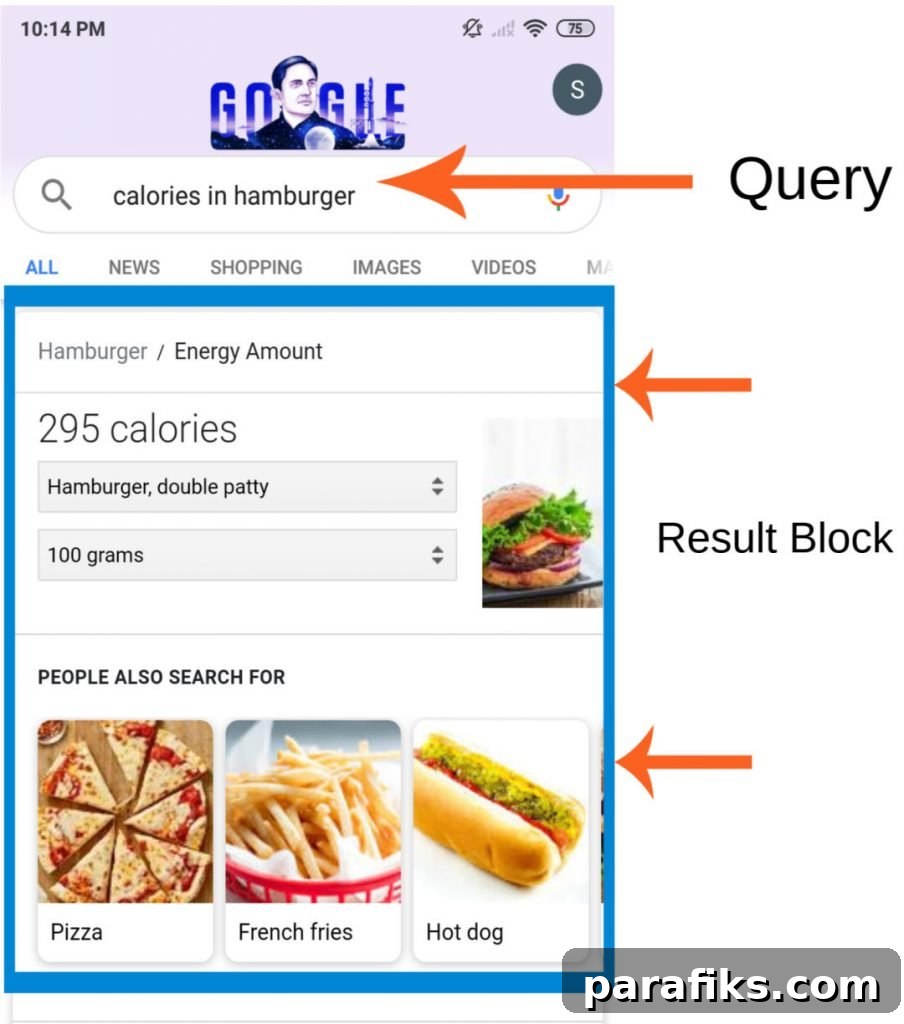
Imagine you want to track daily calories and search for “calories in hamburgers.” The results you receive form result blocks that a rater evaluates for helpfulness and relevance based on the Guidelines. Raters may assess result blocks, URLs, webpages, images, and videos using standard criteria to determine how well they serve the user’s intent.
How do I become a search engine evaluator (Google Rater)?
Becoming a search engine evaluator is straightforward and follows three main steps:
- Apply to a company that hires Google Raters (Google doesn’t hire for these roles directly).
- Pass the qualification test.
- Complete paperwork and begin working.
Before applying, review the requirements and common questions below.
Initial requirements to be a search engine evaluator
- High school diploma or GED for U.S. candidates. In other countries a college degree is often preferred but not strictly required—apply anyway.
- For cultural relevance, you should have lived in your country for the past five consecutive years.
- Active use of Gmail and familiarity with social media (Twitter, Facebook).
- Awareness of current and historical business, media, sports, news, and cultural affairs in your region.
- Comfort using web browsers and navigating varied online content.
- Access to smart home devices (Google Home/Alexa) is a bonus but not mandatory.
- A smartphone (iPhone or Android). Tablets are generally not accepted.
- A desktop, laptop, Mac, or Chromebook.
Frequently Asked Questions
1) Where can I work from?
You can work from anywhere inside the country where you are hired. Work from home, a hotel, or while traveling—provided your screen isn’t visible to others. Working from outside your country is not allowed for these projects.
2) Do I need technical skills?
No. You don’t need coding skills or programming knowledge. The job requires attention to detail, patience, persistence, and a basic ability to research using desktop and mobile browsers.
3) Who do I work for?
You work for third-party companies contracted by Google. These firms recruit and manage raters worldwide who help improve Google’s search results.
4) Is the job available in languages other than English?
Yes. Companies hire raters to evaluate search results in regional languages across many countries. If you live in Mexico you may work in Spanish, in Russia in Russian, and so on. In India, evaluations may be in English or regional languages like Hindi, Bengali, Tamil, Telugu, and others.
Steps to working as a Google Rater
Choose the right company
Several companies typically hire search engine evaluators. As of recent years, the main options include:
- Appen (formerly Leapforce)
- Lionbridge
- Raterlabs
- iSoftstone
Appen
Appen acquired Leapforce and now operates Appen Connect. They hire globally (excluding some U.S. hires depending on the project) and run multiple projects, allowing raters to participate in more than one simultaneously. Appen offers flexible hours and referral bonuses in some cases.
Lionbridge
Lionbridge hires evaluators worldwide, including Americans, and typically offers competitive rates. Some projects limit the number of hours you can work each week.
Raterlabs
Raterlabs historically focused on hiring Americans as part-time employees and may have specific hour requirements.
iSoftstone
iSoftstone hires from select countries and also manages multiple projects.
Which company should I choose and what is the pay?
Payment and work terms vary by company, country, and project. Typical differences include hourly rates, weekly hour limits, whether you’re hired as an independent contractor or an employee, and payment terms (NET 30, NET 45, etc.).
For example, some companies may pay U.S. raters from around $11–$14 per hour, while pay in other countries can differ significantly. Appen and Lionbridge frequently handle large global projects, and Raterlabs has historically offered structured part-time employee roles.
If you are a U.S. applicant seeking part-time employment, Raterlabs may be an option. For independent contracting with potentially higher hourly rates, Lionbridge is worth considering. For unlimited hours and a variety of projects, Appen has often been a popular choice.
When applying, prepare a concise one-page resume without a photo. Use a clean template from Google Docs or MS Word and focus on relevant skills: web research, familiarity with social media, language competency, and any previous remote work experience.
Passing the qualification test
After applying, you’ll need to pass a qualification exam based on the Google General Guideline. The test typically has three parts—one theoretical and two practical sections—and you’ll usually have a limited window (for example, seven days) to complete it.
The test can be challenging and requires careful study of the Guidelines. Many applicants don’t pass the first attempt, but studying thoroughly and practicing with example tasks improves your chances. Some experienced raters offer courses and practice materials to help candidates prepare.
Signing the paperwork
Once you pass the qualification test, you’ll complete onboarding, which typically includes signing a non-disclosure agreement (NDA) and confirming contract terms. After paperwork is processed, you can begin working as a Google Rater.
How much money can you make as a Google Rater?
Earnings vary widely depending on location, company, hourly rate, and available hours. Some raters report monthly earnings ranging from a few hundred dollars part-time to several thousand in months with high volume and many hours. Rates are often higher in Europe and the U.S. and lower in some other regions, reflecting local market conditions.
As an example, part-time roles limited to specific weekly hours can translate into predictable monthly income. Promotions or preferred status on some platforms may lead to higher hourly pay for consistent, high-quality work.
What I like about being a Google Rater
- Autonomy: No direct boss to report to, no commute, and no strict office schedule.
- Flexible hours: Work when it suits you—mornings, evenings, or weekends.
- Consistent work: Many projects provide steady hours compared with other gig-style jobs where tasks disappear quickly.
- Decent pay for the effort: While hourly pay varies, the ability to log consistent hours makes the role worthwhile for many people.
- Low equipment requirements: A desktop or laptop and a smartphone are usually all you need.
- No technical expertise required: No coding or programming is necessary—good judgment and attention to detail matter most.
- No advanced degree required: In many regions a high school diploma is sufficient.
If you’re an introvert, a stay-at-home parent, or a student seeking flexible extra income, this can be a strong option. To improve your chances of passing the qualification test, consider studying the official Guidelines thoroughly and practicing with sample tasks or training courses.
If you have questions about getting started, feel free to ask and I’ll provide guidance and feedback.
Final thoughts: How do I become a search engine evaluator?
I hope this guide helps you understand what a search engine evaluator does and how to get started. These jobs offer flexibility and the opportunity to earn income while working remotely. Successful candidates typically have good internet access, solid reading and research skills, and a willingness to study the Google Guidelines before taking the qualification exam.
Search engine evaluator roles can be either part-time or full-time depending on available tasks and your chosen company. They often provide a flexible schedule that makes it possible to balance other commitments while contributing to better search quality.
Have you heard of the Google Rater job before? What do you think of it?