
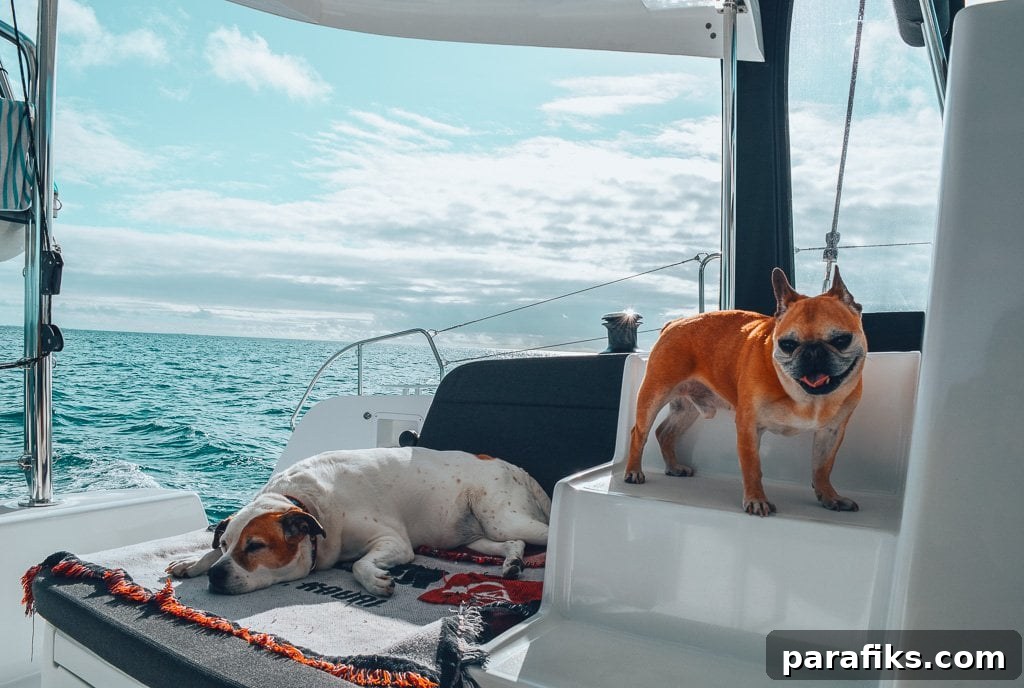
Traveling with a dog is a wonderful experience, but it requires thoughtful preparation so both you and your pet stay safe and comfortable.
Some people think we’re a little crazy for bringing our dogs on every adventure, but for us it feels like taking our kids along—and we wouldn’t have it any other way.
After years of traveling with our dogs in many different situations, I’ve gathered a lot of practical tips. Whether you want to take a weekend road trip, live in an RV or campervan, sail with your dog, or travel full-time, these suggestions will help you get started and make trips more enjoyable for everyone.
There’s no single right way to travel with pets. Each animal has different needs and personalities, so you’ll likely need to adapt these ideas to fit your dog. Even our two dogs travel differently, so a flexible approach is best.
If you follow me on Instagram, you know I travel full-time with my two dogs. They’ve been with us through tent camping, Jeep trips, RV life, campervans, and sailing on our boat. They’ve visited multiple countries, countless states, national parks, climbed high trails, and swum in Caribbean waters. We absolutely adore them and do everything we can to keep them comfortable and happy.
That said, traveling with dogs adds complexity. Everything often takes longer because of bathroom breaks, walks, and planning. It takes effort, but the reward is well worth it. Below are tried-and-true tips from our experience to help you travel successfully with your dog.
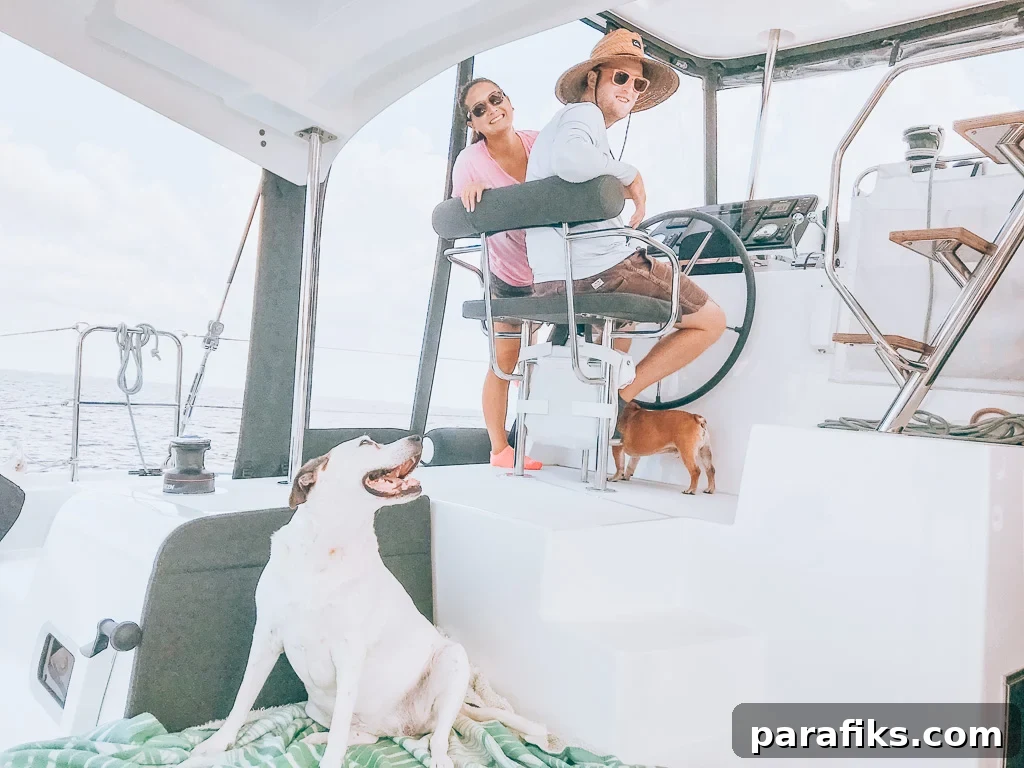
About our dogs, Sailor and Mr. French
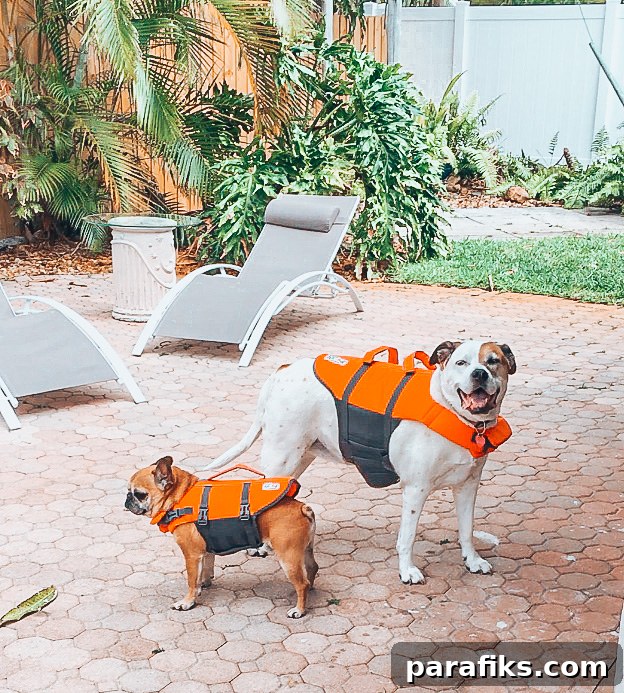
Our big dog, Sailor, weighs about 85 pounds and is over 13 years old. Mr. French is a 15-pound French Bulldog and over 11 years old. We adopted both as puppies and have traveled with them for years.
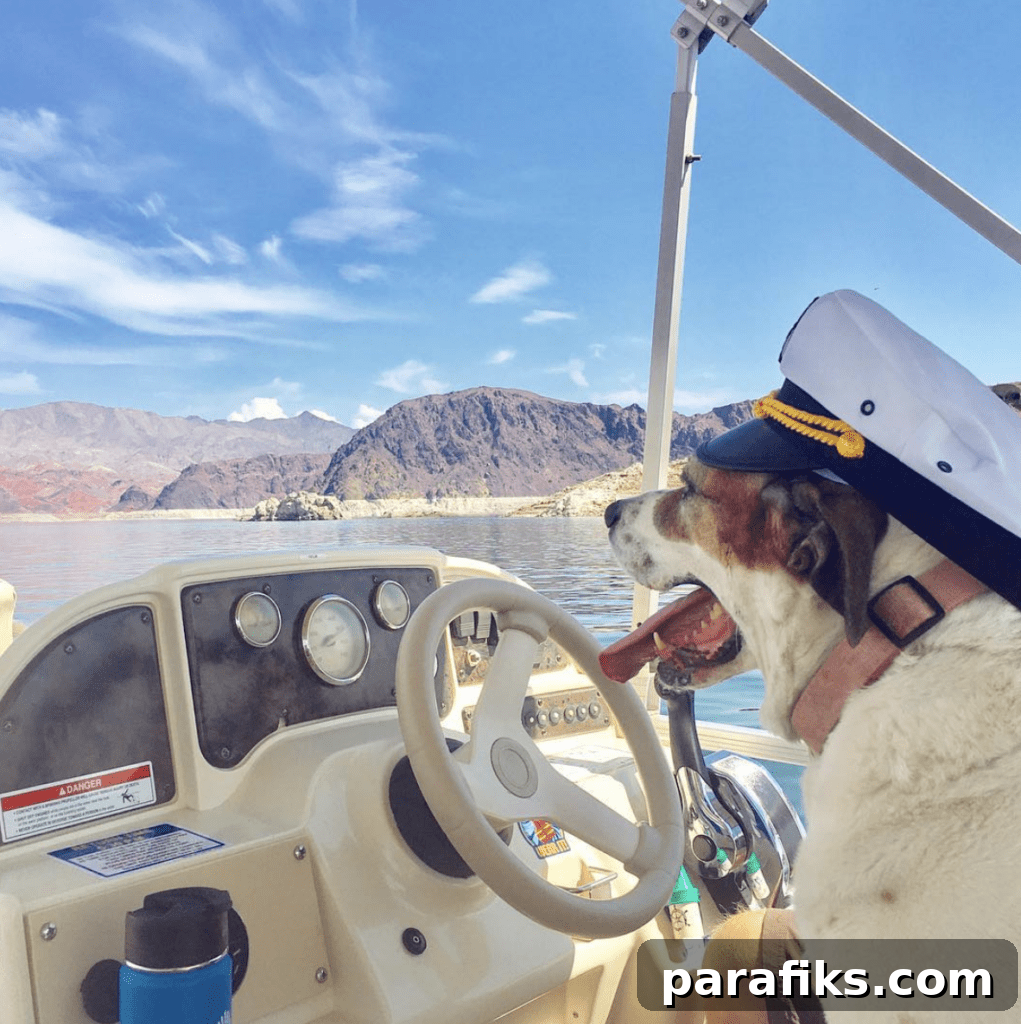
Mr. French is content anywhere and prefers staying close to us rather than being outside all day, which makes him ideal for RV or boat life—he even likes riding at the helm. Sailor loves exploring new places, the smells, and the attention she gets at campgrounds and marinas. Because of her size, we take extra steps to ensure her comfort on hikes and when boarding or disembarking. They both bring us immense joy, and the extra work is worth it.
How to start traveling with a dog
1. Take it slow when introducing your dog to travel
Introduce travel gradually. If you’re transitioning to life on a boat or RV full-time, or planning a road trip, begin with short outings and day trips so your dog can adapt to new routines. Keep feeding and exercise schedules consistent to reduce stress.
For example, when we began sailing, we started at a marina, then did short day sails, then stayed at anchorages before attempting longer passages. Because of this gradual approach, our dogs adjusted well and handled a recent nine-day sail without issue.
Likewise, if your dog isn’t used to car rides, start with short drives and visits to nearby parks to build confidence.
2. Know rules and customs where you’re going
Not every destination is pet-friendly. Many national parks restrict dogs on trails, and some towns or beaches enforce leash rules. Research your destination in advance to avoid surprises. Always respect local regulations, clean up after your dog, and avoid letting them disturb wildlife or other people.
When booking campsites, hotels, or marinas, confirm pet policies, weight limits, and breed restrictions ahead of time.
3. Veterinarian visits and medication management
Regular vet care remains essential while traveling. Our dogs visit a local vet yearly (or more if needed) wherever we are. We always carry their medical records to avoid confusion at new clinics.
Discuss these items with your vet before extended travel:
- Microchipping — especially important and often required when entering other countries.
- Rabies vaccination and any other required shots.
- Location-specific vaccinations or medications that might be necessary for the areas you’ll visit.
Stock up on routine medications when possible so you have backups in case a local vet is not readily available.
4. Traveling internationally with pets
Traveling to other countries with your dog can involve many steps and months of planning. Typical actions include:
- Contact the destination country’s government veterinary agency for current entry requirements.
- Get required vaccinations, tests, and paperwork from a veterinarian where you’re currently based.
- Have documents certified by your country’s authority (for example, USDA in the U.S.).
- Submit paperwork to the destination country for approval and obtain any required permits.
- On arrival, follow any inspection or verification procedures required by the destination’s government vet.
Follow each country’s timeline and steps exactly; mistakes in order or timing can invalidate the process and cause delays or expenses. Bring as much pet food as you can, have medications on hand, and keep documents accessible—some places may ask to see them at any time.
5. Keeping a small living area clean
On a boat or in a van, cleanliness is crucial. We vacuum daily because our larger dog sheds a lot. A compact, rechargeable vacuum makes life much easier and is highly recommended for small spaces.
6. Temperature control for pets in RVs and boats
Maintain a comfortable environment for your dog: open windows, run fans or the AC when available, and avoid leaving them alone if you can’t guarantee stable power or temperature. Remote temperature monitors exist that can alert you via cell signal, but coverage isn’t always reliable, so plan accordingly.
7. Bathroom routines while living aboard
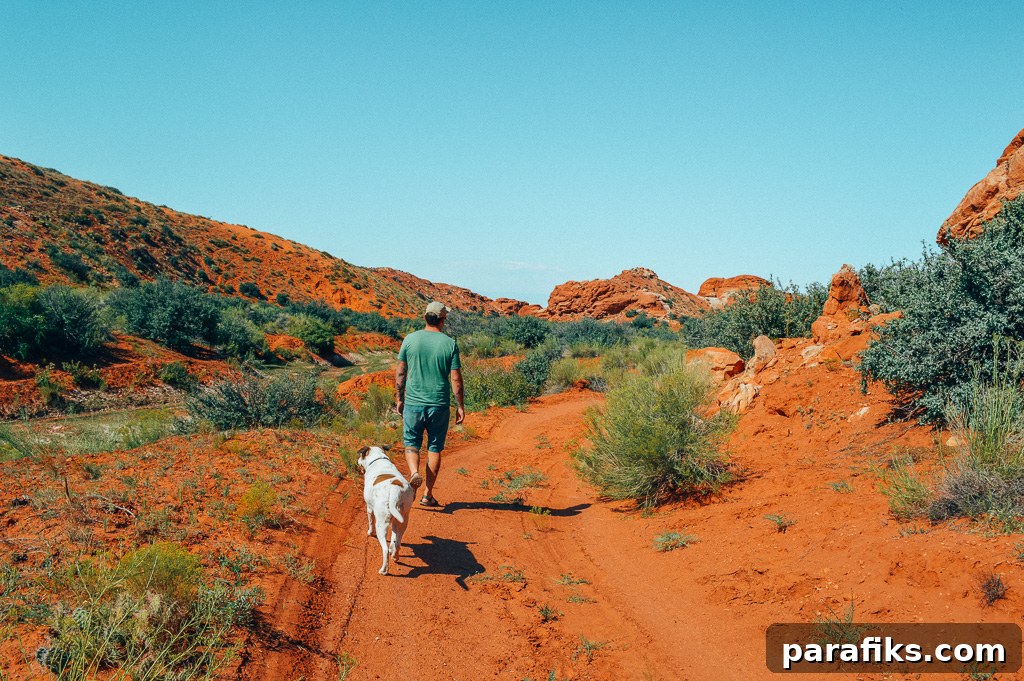
We prioritize frequent bathroom breaks whether by boat or car. Most of the time we’re anchored or docked with land access, so our dogs go ashore multiple times daily. For rare long passages without land, we use artificial turf on deck as a temporary solution. Planning routes and choosing anchorages or marinas with shore access helps keep schedules regular.
8. Keeping dogs safe on a boat
On longer sails we take extra precautions:
- At least one person keeps an eye on the dogs continuously. If we can’t, we leash them or close off interior sections so they can’t fall overboard. Be careful: never tie a leash in a way that could cause choking if they fall.
- Each dog has a life jacket we’ve tested before sailing.
- At night we secure all openings and restrict access to risky areas.
- We always provide ample food, water, and attention.
Slow introductions to boating and consistent routines help our dogs remain calm and adaptable in different environments.
9. Helpful items for traveling with dogs
Useful gear we regularly bring:
- Dog ramp — helpful for docks or higher steps; prefer sturdy materials like aluminum.
- Tough toys and a Kong filled with peanut butter for entertainment.
- Plenty of biodegradable dog waste bags.
- A lifting harness for larger dogs to assist on steep or awkward spots.
- A dog backpack carrier for smaller dogs who don’t enjoy long walks.
- Collapsible bowls for easy water and food access while hiking or traveling.
- Life jackets for any water travel.
10. Exercise remains essential
Living in a small space doesn’t mean your dog gets less activity. We aim for 3–5 walks daily and prioritize longer walks before long drives or sails to burn energy. Consistent exercise and routine are critical for a happy, well-adjusted pet.
11. Use a travel checklist
Before each trip, pack essentials even if you think you might not need them:
- Pet food
- Water and food bowls
- Collars, leashes, and harnesses
- Dog waste bags
- Treats
- Blankets and beds
- Medications
- Paperwork and medical records
Tailor the list to your pet’s specific needs and double-check everything before departure.
12. Flying with pets
I recommend caution when considering air travel that requires pets to go in cargo. Cargo holds can be stressful and unsafe in extreme temperatures, and many people who have used cargo transport for their pets wouldn’t do it again unless absolutely necessary. If your dog can fly in-cabin with you, that’s preferable. Otherwise, consider alternate travel methods or arranging trusted care at home.
Summary — traveling with a dog
Traveling with a dog can be deeply rewarding, but it takes planning, patience, and adaptability. I’m not a veterinarian, but I have extensive hands-on experience. Remember every pet is unique—consult your vet for medical advice and tailor your approach to your dog’s temperament and needs.
With thoughtful preparation and care—slow introductions to new environments, consistent routines, appropriate gear, and attention to local rules—traveling with your dog can be safe, enjoyable, and unforgettable for both of you.
Do you travel with your dogs? What questions do you still have about traveling with pets?