As I shared recently in Welcome To Paradise – We’re Living On A Sailboat!, we sold our Jeep and have been car-free since July. With plans to cruise and preparations to leave the marina this week, we no longer need a full-time land vehicle.
Many readers have asked what life looks like without a car. Common questions include:
- How do you get groceries?
- How do you go to the store?
- What do you do for errands?
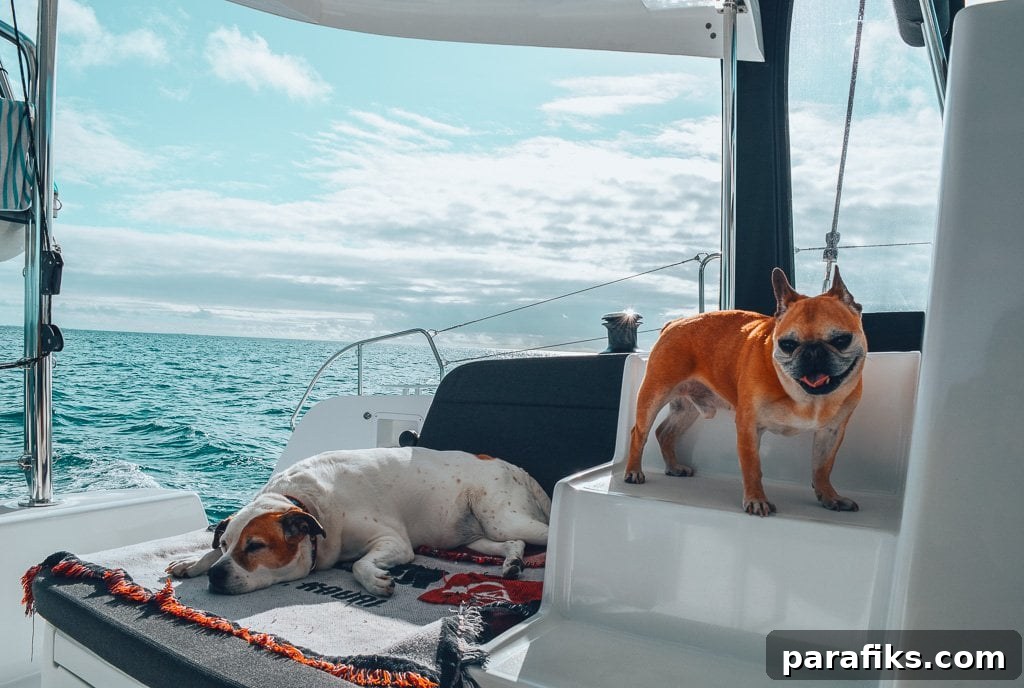
- How do the dogs get ashore to use the bathroom? (Not that a car would help with that, haha!)
Since giving up our car, we rely on our dinghy, folding bikes, walking, and the occasional Lyft. We’ve now been car-free for about four months and are very happy with the decision.
Some people feel sorry for us, but we’re genuinely excited about this change. Maybe the novelty will fade eventually, but right now it feels freeing. I understand that driving everywhere is convenient—growing up in the suburbs I never considered walking or biking for errands. But ditching the car, or simply cutting back, can save money, increase activity, and refresh your routine. For our lifestyle on a boat, owning a car simply doesn’t make sense—where would we even keep it?
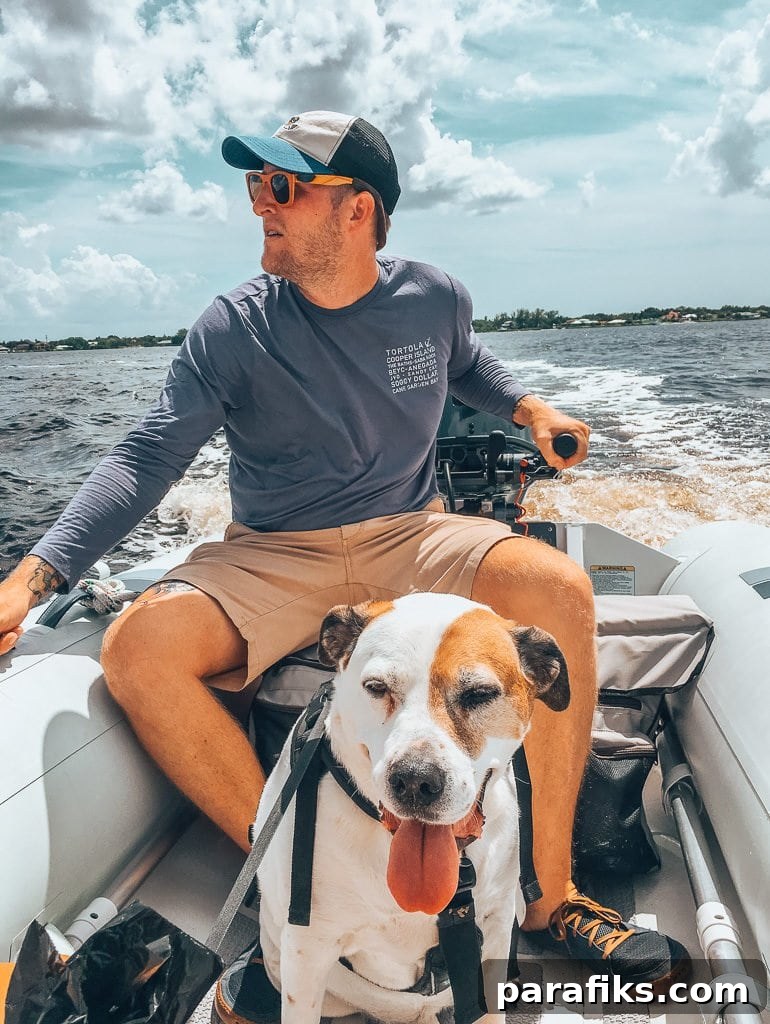
Using the dinghy to go to and from the boat
If you’re unfamiliar with boating terms, a dinghy is a small boat used alongside your larger vessel. Think of it like the Jeep we towed behind our RV when we were road-tripping. When we’re anchored or on a mooring ball, the dinghy is our primary way to get ashore.
We use it to take the dogs to shore for bathroom breaks (a question I get a lot), to visit restaurants, to meet friends, and for other short trips. When not in use, it rides behind the boat.
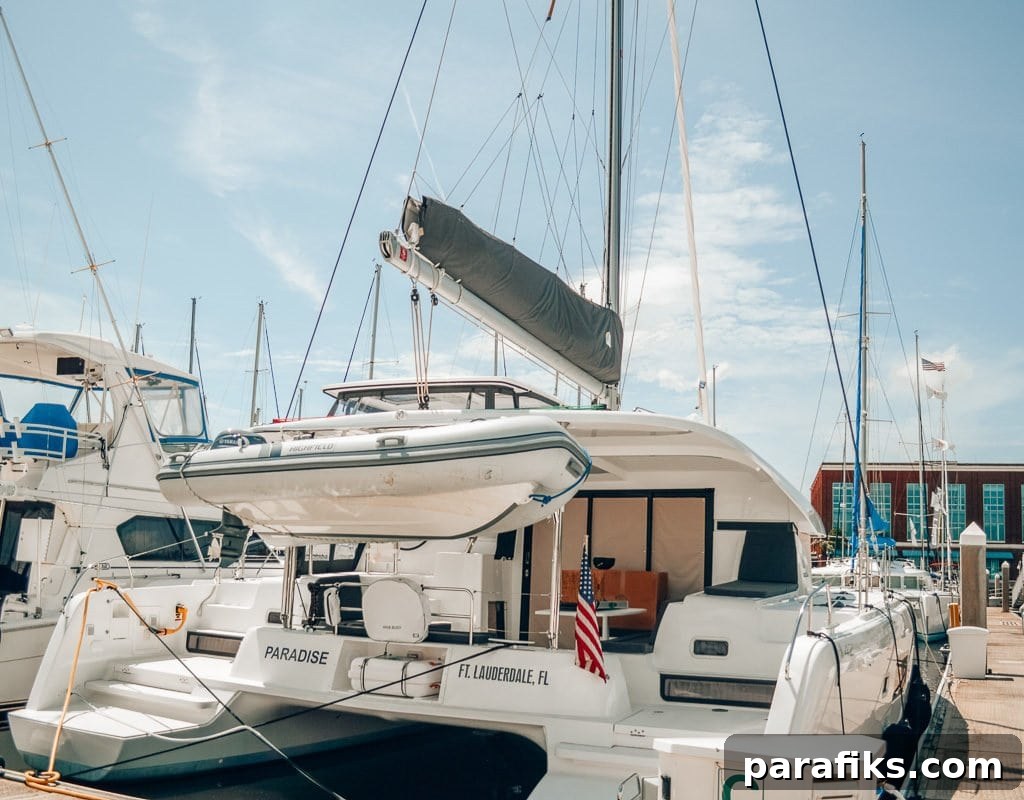
Our dinghy is a Highfield CL340 with a 20 HP Yamaha outboard. We added dinghy chaps for sun protection and to prevent chafing where it contacts metal. The setup makes it straightforward to deploy and stow the dinghy, and it stays secure while we’re sailing.
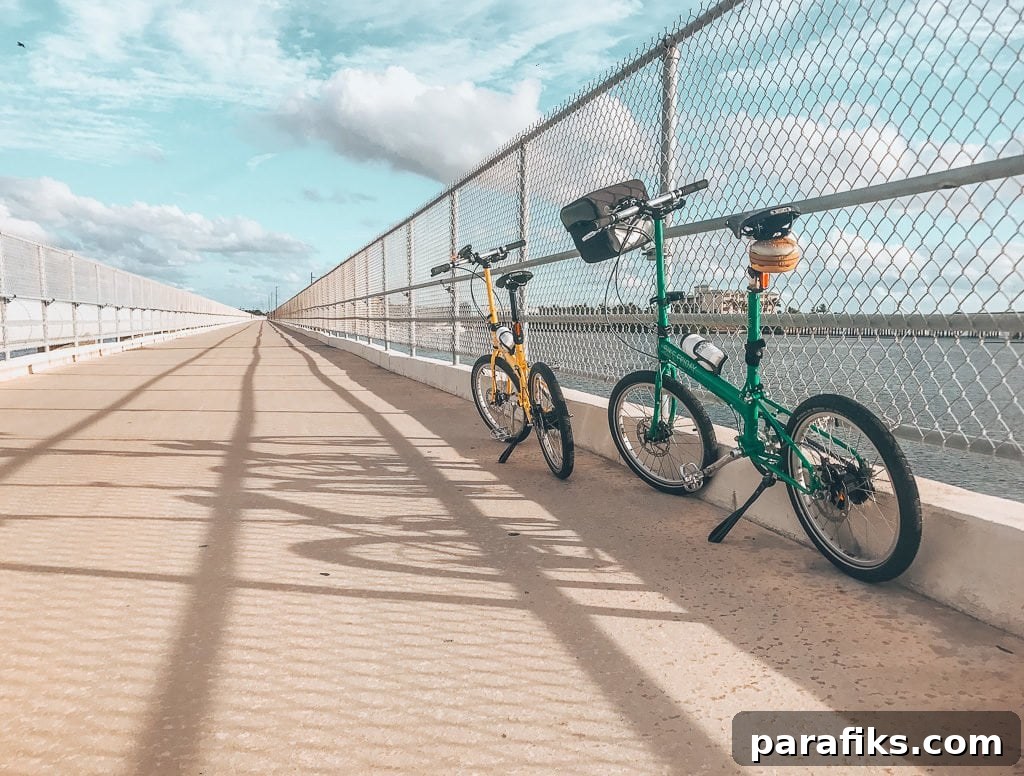
Folding bikes for getting around town
We rely on folding bikes for many errands. Recently we rode 20 miles round-trip to pick up a part from West Marine—an enjoyable ride, a good workout, and an efficient way to complete chores. We regularly ride to grocery stores, restaurants, and social meetups.
People often ask how we carry groceries on a bike. We use reusable bags, backpacks, and a backpack cooler when needed. It’s easy to pack purchases into bags and bring them back to the boat.
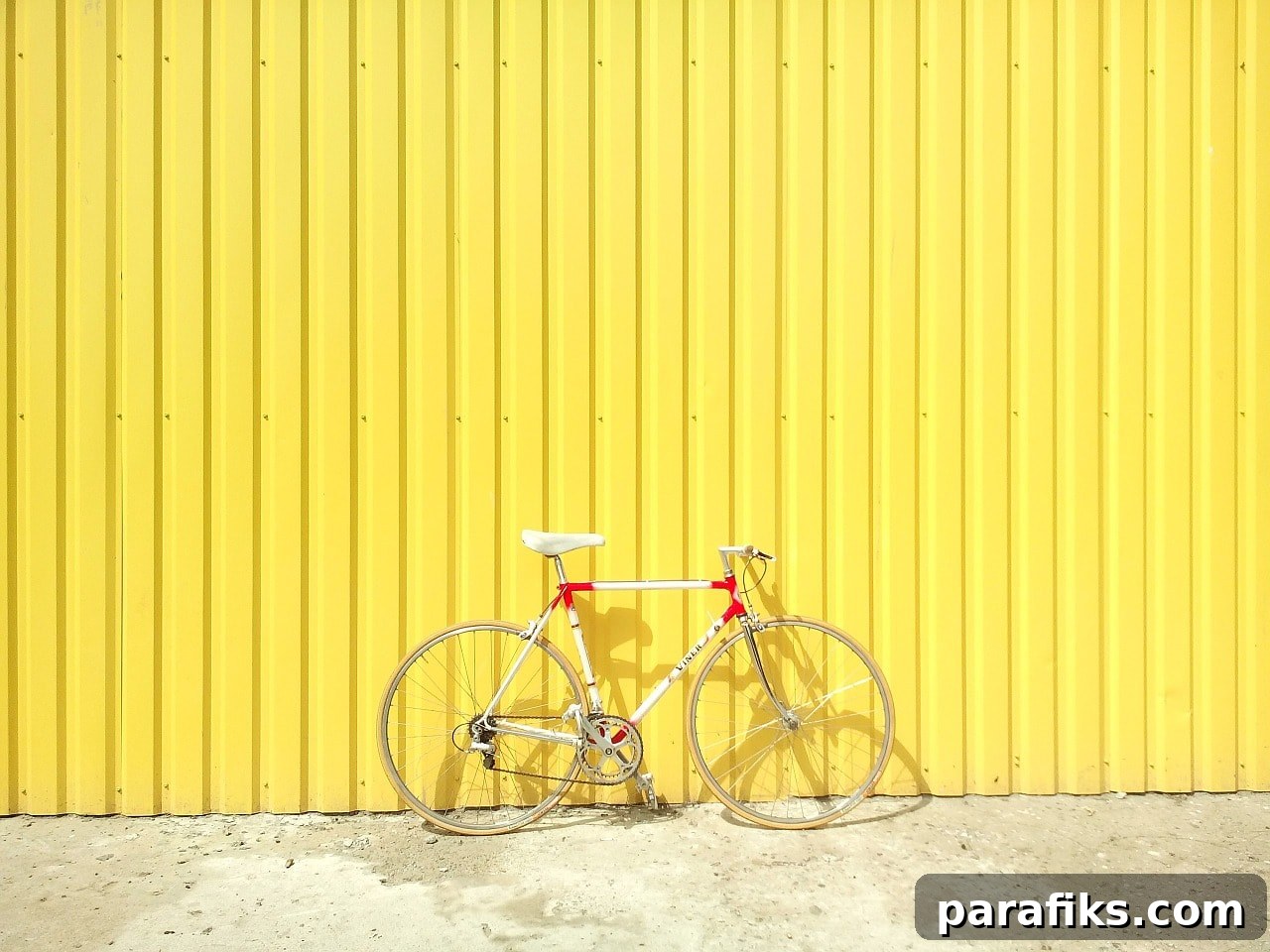
Both of us ride Bike Fridays, high-quality custom folding bikes made in Oregon. They fold compactly for easy storage onboard and perform well for longer rides. We enjoy the flexibility and fitness benefits they provide.
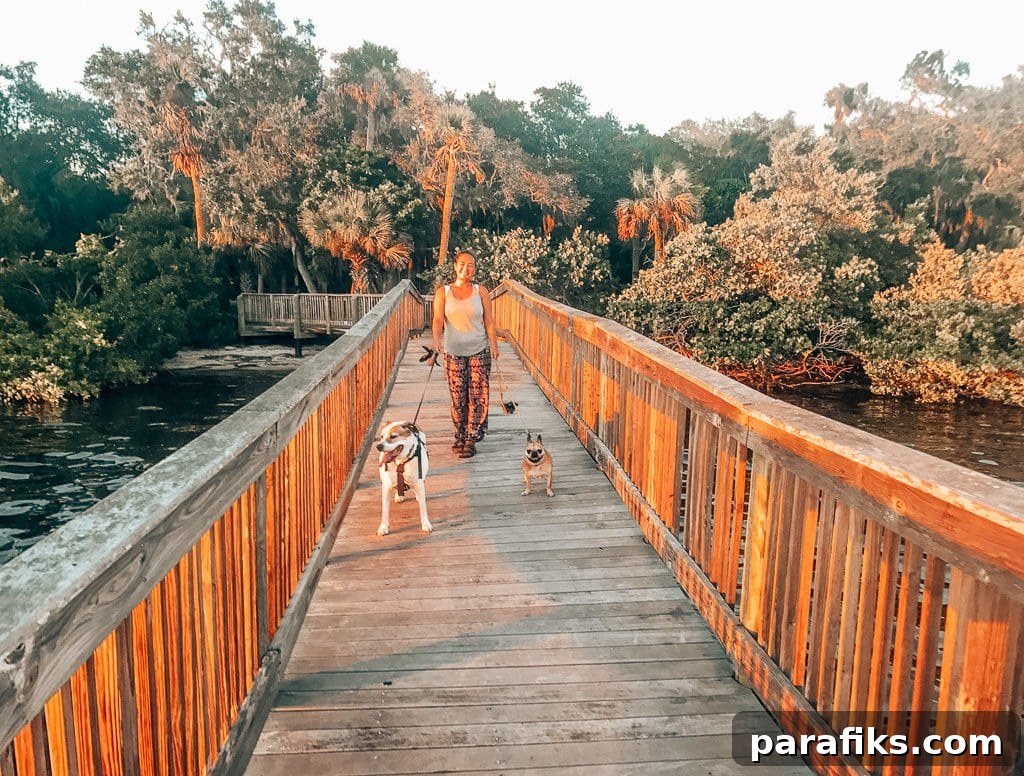
Walking whenever possible
Even with bikes, we walk frequently. We’ll walk to lunch or dinner, run short errands, or take the dogs out and accomplish small tasks along the way—often one of us waits with the dogs while the other goes into a store. We’re lucky to be in a marina within walking distance of grocery stores, banks, restaurants, and other amenities.
Living without a car has changed how we approach errands. Because a trip requires more effort—whether walking, biking, or carrying purchases—we think twice before making a trip for something trivial. Florida heat also adds a deterrent factor, so we avoid impulse purchases that would require hauling items back to the boat.
Without a car, you won’t casually splurge at big-box stores and carry everything to your car. When you must carry groceries or purchases in a backpack or by hand, you naturally become more selective and spend less on unnecessary items.
Walking also removes worries about parking, car maintenance, and the stress of driving in crowded areas. It’s simply nice to move at a slower pace and enjoy the neighborhood on foot.
Ridesharing for longer trips
For times when a destination is too far to bike or walk, or when weather is bad, we use ridesharing services. We typically take Lyft once or twice a month for trips that require faster or more direct transport.
Overall, we don’t miss owning a car for daily errands. Bikes, walking, dinghy rides, and the occasional Lyft cover our needs well. The lifestyle encourages healthier habits, fewer impulse buys, and more thoughtful decisions about travel.
Have you ever considered getting rid of your car? Why or why not?