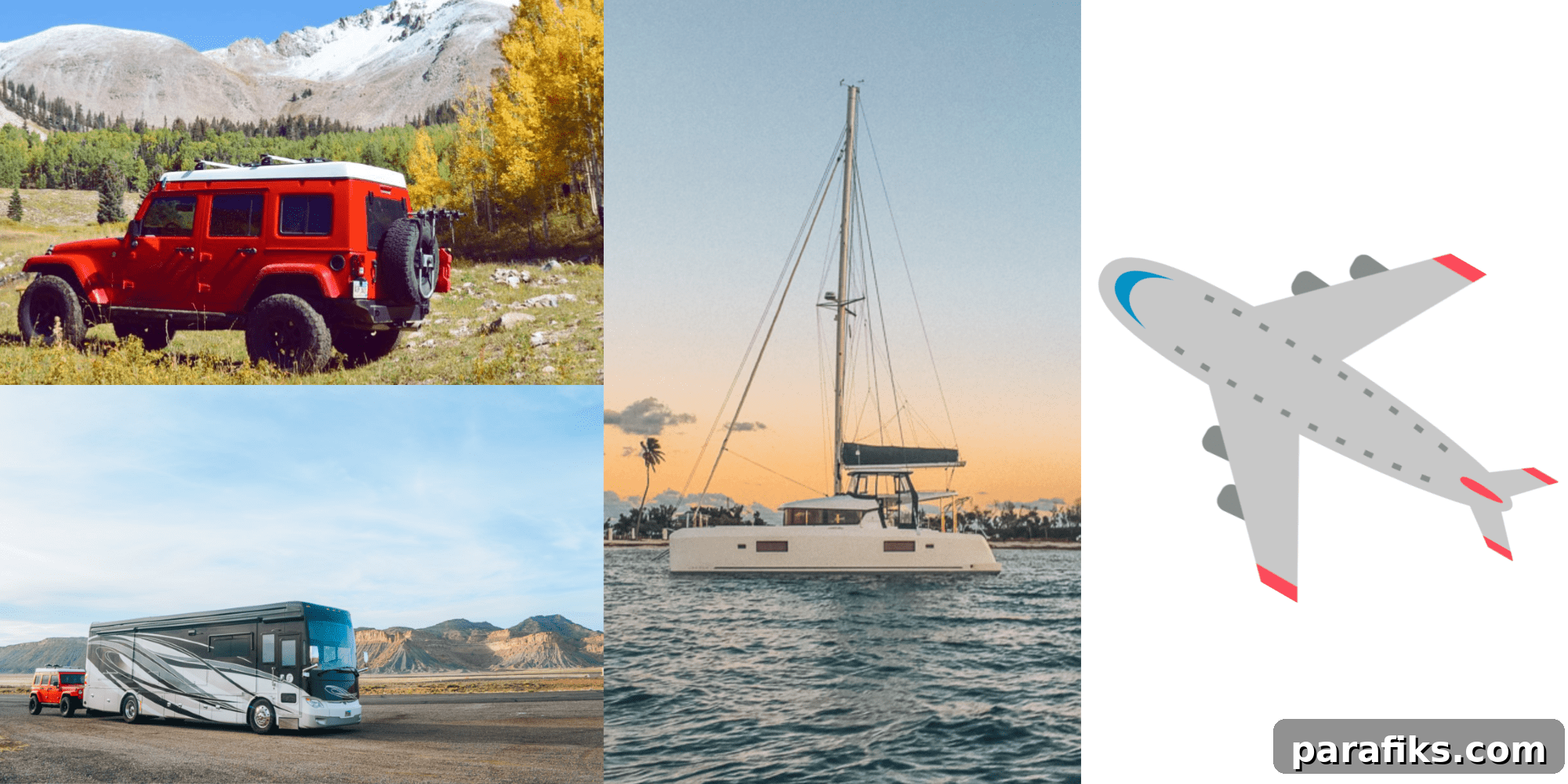
Since we began full-time RVing, people have asked us all kinds of entertaining and thoughtful questions. More than a year ago I published a post answering common RV questions—everything from how we handle bathrooms to how we work on the road. Some questions from that original post included:
- Do you shower?
- What do you do when you have to use the bathroom?
- How and what do you eat?
- What do you do for internet?
- Do you ever do laundry?
- What do you do for a living so you can RV full time?
- How do you receive mail?
Those questions used to seem just as odd to us before we started full-time RVing, so I wrote that first post to answer the most common inquiries we receive. Some people think full-time RVing is crazy, while others are curious but unsure about practical details. This follow-up addresses even more of the questions we get from readers, friends, family, and strangers. Who knows—maybe you’ll be inspired to try it too.
Related articles on full-time RVing:
- 11 Reasons to Choose RV Life
- How I Run a Business While Traveling 365 Days a Year
- How This Family Travels Full-Time With 4 Kids and 2 Dogs
- How To Make Money While RVing
- How Much Does It Cost To RV?
- How This Couple Bought an $11,500 RV, Traveled To All 50 States, and Built A Thriving Business
Explaining RV life to people who stop you in a parking lot after seeing your rig is always interesting. I enjoy answering questions and sharing what made this lifestyle work for us. Below are some of the most common or surprising questions we hear about full-time RVing, along with our honest answers and practical experience.
Common questions about full-time RVing:
I could never live in a small space with my spouse. Don’t you hate each other?
This is one of the most frequent concerns from couples who think RV life would strain a relationship. Our coach is about 38 feet long and 8.5 feet wide; with the slides out, our living area expands to roughly 13 feet wide. That gives us under 500 square feet of living space, which might sound tiny compared to a house—yet we don’t find it limiting.
We share that space with two dogs, including one large breed. Living close together works because we’ve adjusted our routines and respect each other’s personal time. Weather can occasionally keep you indoors all day, but there are always productive or relaxing indoor activities—reading, work, hobbies—so cabin fever is manageable. Ultimately, it’s about communication, compromise, and enjoying the lifestyle together.
Why would you make $100,000+ and live in an RV?
We’ve been asked this many times, and it deserves its own deeper article. The short answer: we choose to RV because we love the lifestyle—not because we’re trying to cut costs. Our previous house was actually less expensive than our RV, so financial savings wasn’t the driving factor. For us, RVing delivers freedom, travel, and experiences we value more than a traditional stationary home.
What do you do for health insurance?
Finding traditional health insurance as full-time travelers can be challenging. Some insurers restrict coverage outside your primary state, and some policies include very high out-of-state deductibles. After exploring options, we decided traditional coverage didn’t make sense for our situation.
In 2016 we joined a health care sharing ministry and currently pay a monthly membership fee. These programs aren’t the same as conventional insurance: they’re not legally required to pay claims, you can’t use the membership payments as tax-deductible insurance premiums, and pre-existing conditions may be excluded for a period. They also have lifestyle guidelines that can affect covered claims. For us, the membership provided practical coverage aligned with our nomadic lifestyle. If you’re considering alternatives, research thoroughly to understand exclusions, limits, and requirements.
Can you find spontaneous campsites on the fly?
Yes, but availability depends on the destination and season. Popular national parks and tourist areas are competitive in summer, so last-minute camping can be difficult. For those places, booking ahead is wise. In many other regions, you can often find suitable spots without much notice. We usually don’t reserve far in advance, sometimes booking the night before, but for busy seasons or events we plan ahead to secure sites.
Can you just park anywhere you want?
No—despite what some friends suggest, you can’t just leave an RV parked anywhere. Local laws, homeowner association rules, street parking restrictions, overhead obstacles, steep grades, and driveway dimensions all limit where you can safely and legally park. Still, there are many options: friends’ driveways, public lands, RV parks, state parks, and national park campgrounds. Before arriving, we research satellite views, street images, and campground rules to avoid surprises.
Should you lie about being full-time to save on RV insurance?
No—don’t misrepresent your situation to an insurer. If a company discovers you lied about living in the RV, they could deny claims. Honest disclosure ensures your coverage remains valid and you’re protected when you need it.
How is full-time RVing with a big dog?
Some people worry that living in an RV is unfair to large dogs. Our dogs have several cozy spots to rest, and they get plenty of exercise through daily hikes and outdoor activities. Our larger dog often walks 5–10 miles a day and naps afterward; our smaller dog prefers lounging but gets regular outings too. Overall, they are more active and adventurous now than when we lived in a house. As with any pet, staying attentive to exercise, routine, and comfort is key.
How do you manage internet—do you plan trips around connectivity or wing it?
Campground Wi‑Fi can be unreliable. If you work online, having a personal internet solution is important. We rely on a major cellular provider for phone and mobile internet and previously used multiple carriers for redundancy. Even with a reliable provider, speeds can drop at crowded parks, so I work ahead when possible to avoid stress from slow connections.
What’s a typical day like? (Even the nitty‑gritty stuff like dumping tanks.)
Daily life varies. On travel days, my partner handles the RV—driving, hookups, tank dumping, maintenance, and washing—while I manage the dogs and most of the business work. We typically limit travel to around 250 miles per day and usually stay in a spot from a week up to a month, sometimes longer when we love a location. Roles and routines help the day-to-day run smoothly: he handles the rig and physical chores, and I focus on work and pets.
How do you handle winter? Don’t water lines freeze?
We follow the warm weather. Many full-time RVers head to states like Arizona, Texas, or Florida during winter to avoid freezing conditions. When colder weather is unavoidable, there are winterization options and heated hookups, but the simplest approach for us is relocating to milder climates until spring.
What’s the best part? What’s the worst part?
For us, the best parts are freedom and travel: being able to move our home to new places without constant packing, visiting more destinations than a stationary life typically allows, and enjoying a comfortable, mobile living space. We find it an affordable and flexible way to live and explore. We don’t really have major negatives—challenges exist, but the benefits far outweigh them for our lifestyle.
What would you do differently?
Nothing—we love full-time RVing and the life it provides.
What other questions do you have about full-time RVing? After reading our answers, what do you think—any surprises or follow-up topics you’d like covered?