Are you interested in learning how to make money as a digital designer?
A digital design business can include a wide range of products and services: graphics, printables, planners, t-shirt designs, calendars, business card layouts, social media graphics, stickers, logos, and much more.
The possibilities are virtually limitless, making digital design an attractive small business idea you can run from home.
In today’s online-focused world, the demand for striking, memorable design is higher than ever. Still, starting a business can feel intimidating—especially if you don’t know where to begin. This guide, based on an in-depth interview with Kelli Mitchell of Pink Lemonade Company, walks you through how to start and grow a digital design business and answer common questions new designers face.
Kelli launched her creative business in 2011 offering website design and branding. As her brand and skills evolved, she expanded into commercial-use graphics, digital products, and educational courses to help other creatives build online businesses. Her experience provides actionable insight on turning design skills into a sustainable income.
Topics covered include:
- What a design business is and what it sells
- Why customers purchase designs
- How much revenue designers can realistically earn
- Whether someone without technical skills can become a designer
- Whether there’s room for new designers in the market
This interview-style guide will help you take the first steps toward starting a design business and may introduce you to a flexible way to earn money from home.
How To Make Money As A Digital Designer
1. Background: How Kelli started and earnings
Kelli began her business because she needed a way to earn money from home while spending time with her children. Juggling 12-hour hospital shifts left her unfulfilled, so she started a side hustle in design and branding. Over time, Pink Lemonade Company grew into a multi-six-figure business, with much of the income coming from digital graphics.
Her business started small—balancing family life with learning Photoshop—and rapidly expanded when she discovered she could create assets in Photoshop and sell them online. Creativity sparked opportunities: what started as experimentation became a real income stream. Kelli didn’t begin with a business background and often doubted herself, but she committed to learning, kept going, and eventually built a profitable, flexible career.
2. What is a digital design business? What does it sell?
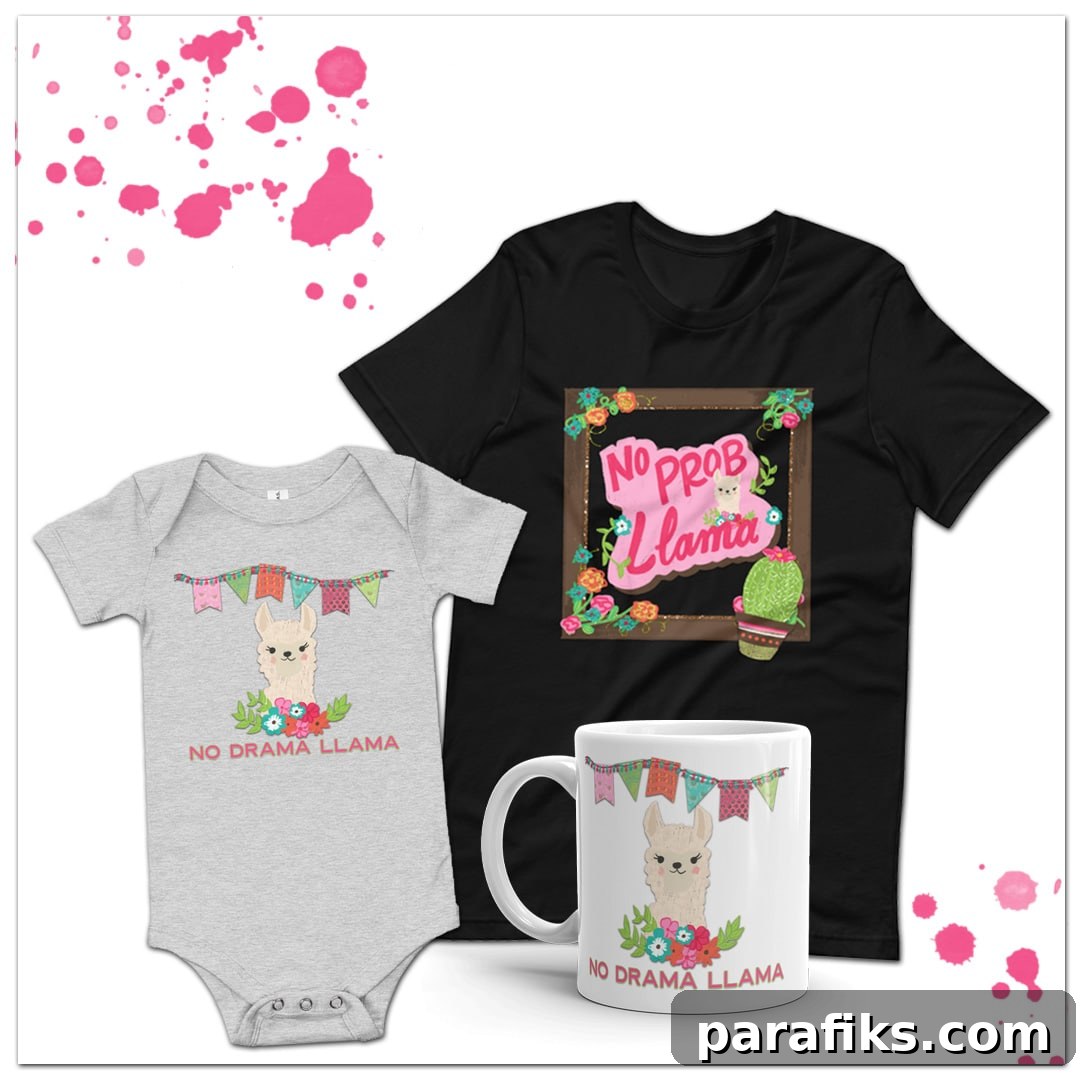
A design business can take many forms. With foundational design skills you can create diverse products and services such as website and brand design, digital papers, graphics, printables, t-shirt designs, sublimation files, digital journal pages, and more. Photoshop and other tools provide a broad creative canvas—so the list of potential offerings is long.
Fifteen example products a designer might sell:
- T-shirt designs
- Planners
- Calendars
- Chore charts
- Mug or tumbler design files
- Business cards and marketing collateral (gift certificates, price tags, flyers)
- Social media graphics
- Print-on-demand product files
- Home décor items (wall art, pillows)
- Journal pages
- Website design
- Greeting and holiday cards
- Digital or printable stickers
- Coloring pages or books
- Logo design files
3. Why do people buy designs?
Buyers purchase designs for many reasons: to save time, to access professional-looking assets, to use templates for events or promotions, or to enhance their business branding. For example, customers might buy birthday invitation files, digital papers for seasonal projects, or a bright, customized business card design to reflect their brand’s personality. Marketplaces like Etsy show the sheer variety of digital downloads available and how designers’ work gets used across projects.
4. How much can a person earn selling designs?
Income varies based on product quality, marketing, and platform strategy. Many designers earn part-time income, while others achieve full-time or significant earnings. Kelli went from roughly $8,000 per year early on to surpassing $100,000 annually after learning how to market and scale her products. The core idea: creative ideas multiplied by effective selling can remove traditional income caps.
5. How can designers generate semi-passive income?
Digital products are ideal for semi-passive income because you can create a file once and sell it repeatedly. After the initial design work and setup—listing the product on a website, marketplace, or membership site—it can continue to earn money with minimal ongoing effort. Kelli recalls the excitement of selling a $3 graphic on Etsy and realizing that one sale could become many. When designed and promoted correctly, digital products can allow you to earn while doing other activities.
Creating that semi-passive model requires upfront effort, but it enables a business that serves your lifestyle as well as customers.
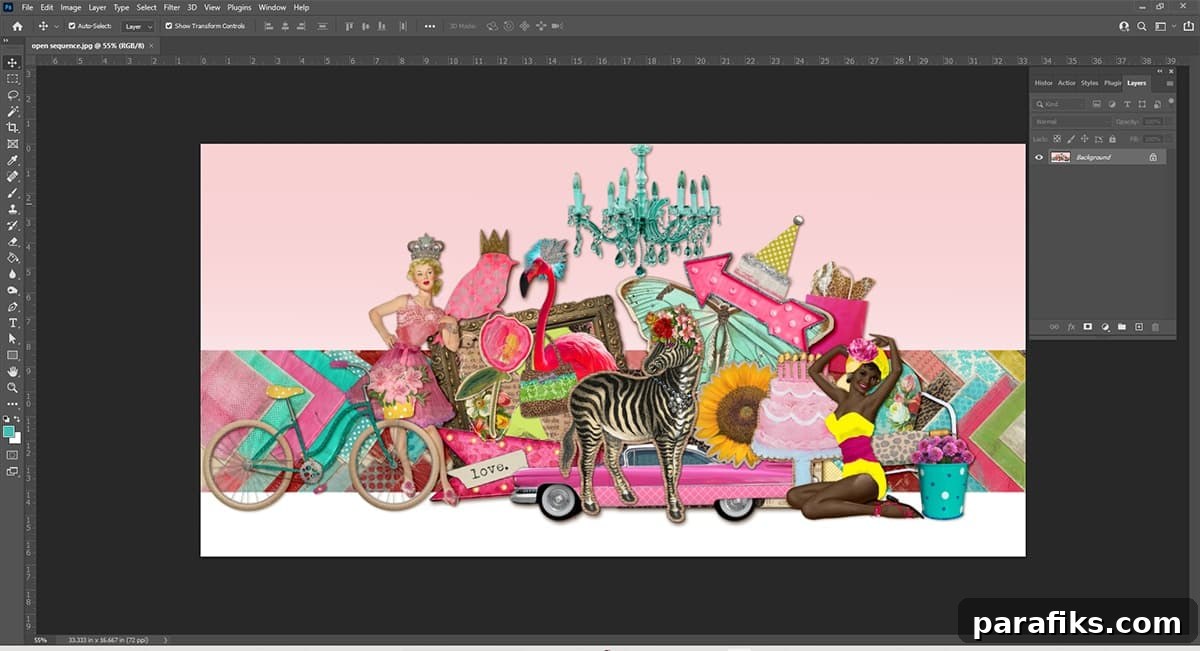
6. Can someone with no tech skills become a designer?
Yes. Kelli started without strong technical skills. The most important ingredients are willingness to learn, persistence, and a mindset that embraces creative growth. Self-doubt can stop progress, so accept being a beginner and work toward improvement.
7. What does Kelli enjoy about selling designs?
Her favorite aspects include: the creative freedom Photoshop offers, the ability to earn revenue passively while spending time with family, and the sense of fulfillment that comes from building a business that supports her life. Designing still feels fun and rewarding to her, and that enthusiasm helps her keep showing up to work with joy.
8. Is there room for new designers?
Absolutely. Kelli rejects the idea of market saturation. There is always demand for fresh art, new perspectives, and original design. Success requires both strong creative skills and the ability to sell: learning effective marketing strategies and how to reach the right audience is essential.
9. How do designers come up with new ideas?
Be observant of life and keep an ideas list—whether a notebook or a phone notes app. Kelli focuses on what feels fun and authentic rather than chasing trends. When creativity stalls, stepping away from the desk—taking a walk, playing, or doing something enjoyable—often reignites inspiration.
10. What equipment do you need to start?
Not much. A computer, design software like Photoshop, and a sales platform such as an Etsy shop are all you need to begin. Over time you can expand tools, software, and channels, but the startup requirements are modest compared to many traditional businesses.
11. How much does it cost to start a design business?
Startup costs are relatively low. You don’t need a physical storefront or large inventory. Many designers begin from home with minimal investment—software, a computer, and perhaps modest marketing expenses. Kelli started with very limited funds and scaled her business from her kitchen table.
12. Steps to start a design business
Before launching, do some pre-work: allow yourself to dream, list your motivations for starting, and commit to the process. Having clear reasons will help sustain momentum when challenges arise. After that, follow these practical steps:
Step One – Research online. Browse Etsy, Pinterest, and other marketplaces to see what’s selling and identify what appeals to you. Narrow your focus to a few product types to begin so you don’t get overwhelmed.
Step Two – Learn design tools. Photoshop is powerful and industry-standard, though tools like Canva can work for many projects. If you want professional-level control, invest time in learning Photoshop or a comparable program.
Step Three – Set up a shop or website. Choose a platform—your own website, Etsy, or other marketplaces—and list your products. There are many tutorials and help articles to guide you.
Step Four – Build a social media presence. Use platforms such as Instagram, Facebook, TikTok, or YouTube to share your work, attract customers, and build an audience.
Step Five – Start an email list. Growing an email list is one of the most valuable actions you can take. It lets you nurture relationships with customers, announce new products, and encourage repeat purchases.
Step Six – Create and deliver great products and service. Focus on high-quality designs and excellent customer experience—those elements build trust and generate repeat business.
13. Final tips
A little self-belief goes a long way. Kelli emphasizes committing fully, embracing the possibility of success, and finding a community of creative entrepreneurs for support and inspiration. Surrounding yourself with other designers and business owners will provide encouragement and practical advice as you grow.
If you’re curious about starting a digital design business and want to learn how to make money as a digital designer, begin by experimenting, learning, and taking small consistent steps. With creativity, persistence, and basic marketing, you can build a flexible business that supports your life and provides ongoing creative fulfillment.