My monthly “Extraordinary Lives” series is something I truly enjoy. The first profile featured JP Livingston, who retired with a net worth of over $2,000,000 at age 28. Today’s interview highlights Elizabeth Willard Thames, better known as Mrs. Frugalwoods, who achieved financial independence at 32.
Elizabeth is the creator of the award-winning personal finance blog Frugalwoods.com. At 32 she reached financial independence and left a successful urban career to build a more purposeful life with her husband and young daughter on a 66-acre homestead in the woods of Vermont. She is the author of Meet the Frugalwoods: Achieving Financial Independence Through Simple Living. Before embracing homesteading and writing full-time, she spent a decade working in the nonprofit sector as a fundraiser and communications manager.
In this interview you will learn:
- How she achieved financial independence.
- Differences between a typical 9–5 life and her daily life on the homestead.
- Sacrifices she made to save aggressively.
- How she maintained a high savings rate—70% or more of take-home pay.
- How she still lives comfortably despite extreme saving.
- How she plans to make her retirement funds last a lifetime.
This interview is packed with practical information and firsthand insights. I asked readers for questions to include, so below you’ll find many of those reader-submitted questions alongside a few of my own. Make sure you’re following my Facebook page for future opportunities to submit questions for upcoming interviews.
P.S. If you’re pursuing financial independence as well, tools that help you plan and test early-retirement scenarios can be very useful. They make it easier to model savings, withdrawals, and lifestyle choices so you can make informed decisions and stay on track toward your goals.
Related content:
- How My Wife and I Paid Off $62,000 in Debt in 7 Months
- How We Paid Off Almost $10,000 in 10 Weeks
- How This Couple Paid off $204,971.31 in Debt
- How Tina Immigrated to America With Nothing and Now Has a Net Worth of $2,000,000
1) Tell me your story. How did you achieve financial independence?
I’m Liz—Mrs. Frugalwoods. My book, Meet the Frugalwoods: Achieving Financial Independence Through Simple Living, was published by HarperCollins. In May 2016, at age 32, I reached financial independence and left my city career to pursue a purpose-driven life with my husband, Nate, and our daughter on a 66-acre homestead in Vermont. We later expanded the family and are grateful for the time and freedom this lifestyle provides. I prefer to describe what I do as financially independent living rather than “early retirement.” Financial independence, to me, means our passive assets reliably cover our expenses so we’re not dependent on paychecks.
I’ve always been a saver. As a child I saved birthday money; at 16 I bought my first car with money I had earned. Nate shares a similar approach to money, and together we reinforced a strong saving habit. Before deliberately pursuing early financial independence, we typically saved 40–50% of take-home pay. Once we committed to retiring early, we increased that to over 70%—sometimes 80%—of take-home pay.
Our path began in college, where we met at an affordable state school and graduated debt-free thanks to scholarships, work, and family support. That debt-free start let us funnel earnings into savings rather than loan payments. Early on, we set goals—first a home down payment—which focused our saving. Initially we didn’t set out to become financially independent; we simply wanted options and freedom from paycheck dependence. The turning point came in 2014 when we realized, despite having what looked like dream jobs and a home in Cambridge, MA, we were unhappy and unfulfilled. We loved being outdoors and agreed we wanted to live closer to nature, so we committed to financial independence and moving to a homestead in Vermont to build a life aligned with what truly made us happy.
2) What are the differences between 9–5 and your dream life?
Most importantly, I control my time now. I choose what to do and when instead of following an arbitrary 9–5 schedule. We have no daily commute, so we reclaim hours that used to be lost. The time savings and flexibility are priceless.
Another major difference is our ability to prioritize family. We can spend significant time with our daughter and, later, our second child. Being stay-at-home parents transformed our family life and eliminated daycare costs. Time and money are our most important resources—when we control both, we can focus on family, health, meaningful work, and the other things that matter most.

3) What sacrifices did you make to save 70% of your income?
When we committed to early financial independence, we tracked every dollar to understand our spending. We eliminated every nonessential expense—dining out, daily coffee runs, frequent haircuts, and new clothes—at least temporarily to see how high our savings could go. After testing extreme frugality, we intentionally reintroduced only those expenses that provided a high return in joy. For example, we now enjoy a monthly date night; keeping luxuries rare increases pleasure and prevents hedonic adaptation.
Frugality brought many additional benefits beyond saving money: it’s environmentally friendly, reduces waste, builds community, strengthens relationships, clarifies priorities, creates options, reduces stress, and saves time. Many people assume frugality costs time, but for us it trimmed wasted effort: we spend only on what truly matters.
Small changes can compound dramatically. For instance, instead of paying for $120 haircuts, I cut my husband’s hair and he cuts mine. That saves both money and time—what used to take hours now takes minutes. We also DIY plumbing, cooking, and homestead projects. The satisfaction of doing things ourselves is well documented and increases the value we derive from those efforts.
Eliminating an expense yields lifetime savings if invested. For example, $75 a month on cable is $900 a year. Invested at an average 7% annual return, $900 contributed yearly for 30 years could grow to roughly $91,866. That’s the power of reinvesting frugality.
4) Do you live comfortably?
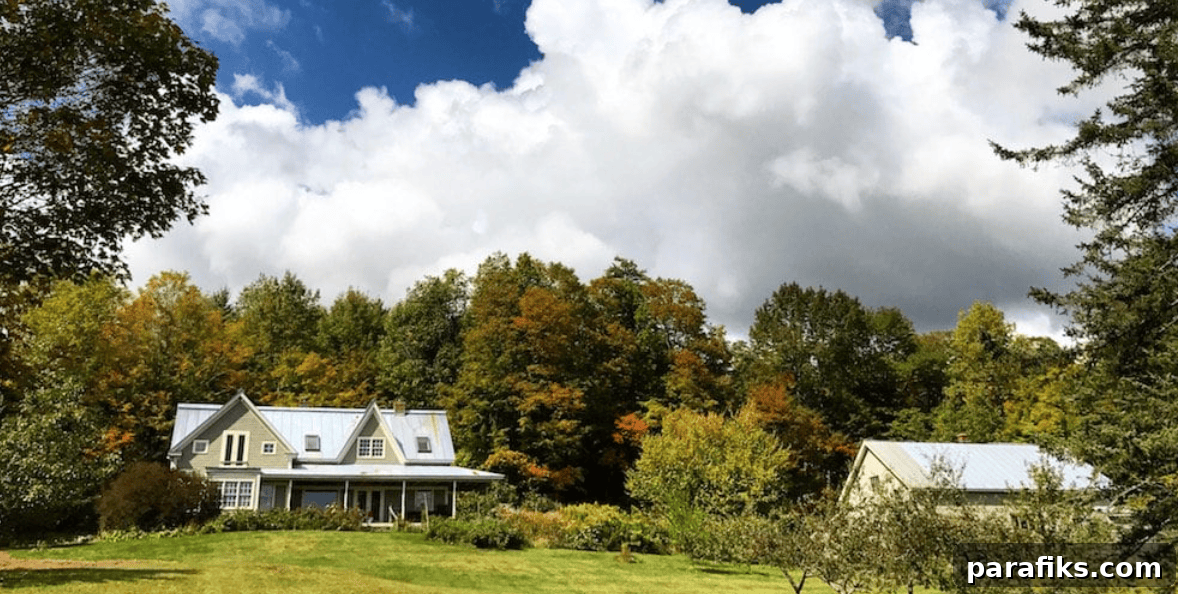
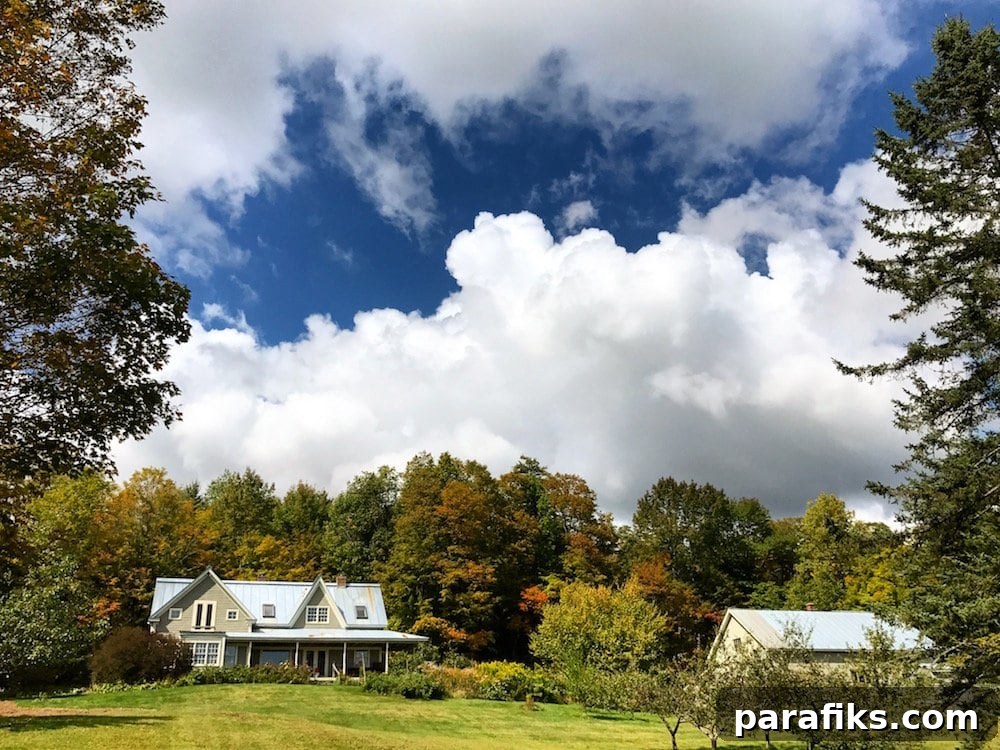
Absolutely. We describe our lifestyle as “luxuriously frugal.” We live where we want and how we want, on a spacious, comfortable home with acres of woods, fruit trees, gardens, ponds, and trails. We have what we need and focus spending on experiences over material goods. Frugality reduced my desire for consumer possessions and helped me focus on long-term satisfaction. Less buying has made my perceived needs shrink, while focusing on priorities has created a fulfilling life without excessive spending.
5) What career did you have before reaching financial independence? Did it help?
Before reaching financial independence I worked for ten years in nonprofit fundraising and communications. Nate and I both worked in mission-driven fields rather than high-paying finance jobs. I recognize the role of privilege and luck in our ability to pursue financial independence—supportive families, quality education, and stable backgrounds helped. Neither of us inherited wealth, but those advantages matter and shaped our opportunities. I try to acknowledge this openly while framing frugality as a path to abundance and gratitude rather than deprivation.
6) What about people who think they’ll never earn as much—can they still retire early?
There are three core factors to achieving financial independence: income, expenses, and time. The more you separate income from expenses—by earning more, spending less, or both—the faster you can reach financial independence. We pursued an aggressive timeline and therefore saved at very high rates, but a longer timeframe allows more modest saving rates to work as well.
Approach the goal from both sides: increase income where possible and reduce expenses. Even with moderate income, a low spending level plus consistent investing can lead to financial independence. Investing matters—cash sitting idle won’t grow meaningfully. Low-fee index funds and diversified holdings are practical choices for long-term wealth building. We also own a revenue-generating rental property that contributes to our cash flow.
7) What do you do now that you’re financially independent?
Life on a 66-acre homestead keeps us busy. We split time between outdoor tasks—planting, tending, harvesting, preserving garden produce, maintaining orchards, making cider, managing sustainable forestry, cutting and stacking firewood, and clearing snow—and indoor projects we find fulfilling. We don’t view maintenance as drudgery but as meaningful work aligned with our values. We’re also stay-at-home parents, so much of our day centers on childcare and family activities.
Beyond homestead chores, I write because it’s a lifelong passion, and my husband enjoys working from home as a software engineer. We only work because we choose to, not because we must, which allows us to focus on projects that matter to us.
8) Do you still earn income? Does your husband work?
Yes. I write and create content around frugality and financial independence. My husband works remotely as a software engineer for the intellectual challenge and engagement. The key difference is that we don’t need paychecks; we choose work that aligns with our values. That freedom lets us be selective, protect our time, and devote energy to pursuits that feel meaningful.
9) How will you make your retirement funds last a lifetime, even starting in your 30s?
We plan carefully to keep expenses aligned with a sustainable long-term withdrawal rate and use a diversified portfolio to draw from over time. Our rental property provides steady net income, which combined with a conservative withdrawal rate—around 3.5% or less—from other assets, should cover expenses in perpetuity according to historical modeling. We monitor our spending and adjust as needed to maintain sustainability.
10) What is your best tip for someone who wants to achieve the same success?
I run a free month-long challenge called the Uber Frugal Month Challenge, designed to help people follow a path similar to ours. If you want to practice joyful and intentional frugality, the challenge is a great place to start. In short, the first steps I recommend are:
- Identify long-term goals. Where do you want to be in 10, 20, or 40 years? Knowing your destination helps you make purposeful financial choices.
- Track your spending. You must know where your money goes every month to set actionable goals.
- Decide how you’ll address the three elements of financial independence: income, expenses, and time. Increase income, reduce expenses, or extend the time horizon to match your comfort level.
Are you interested in reaching financial independence or early retirement? Why or why not?