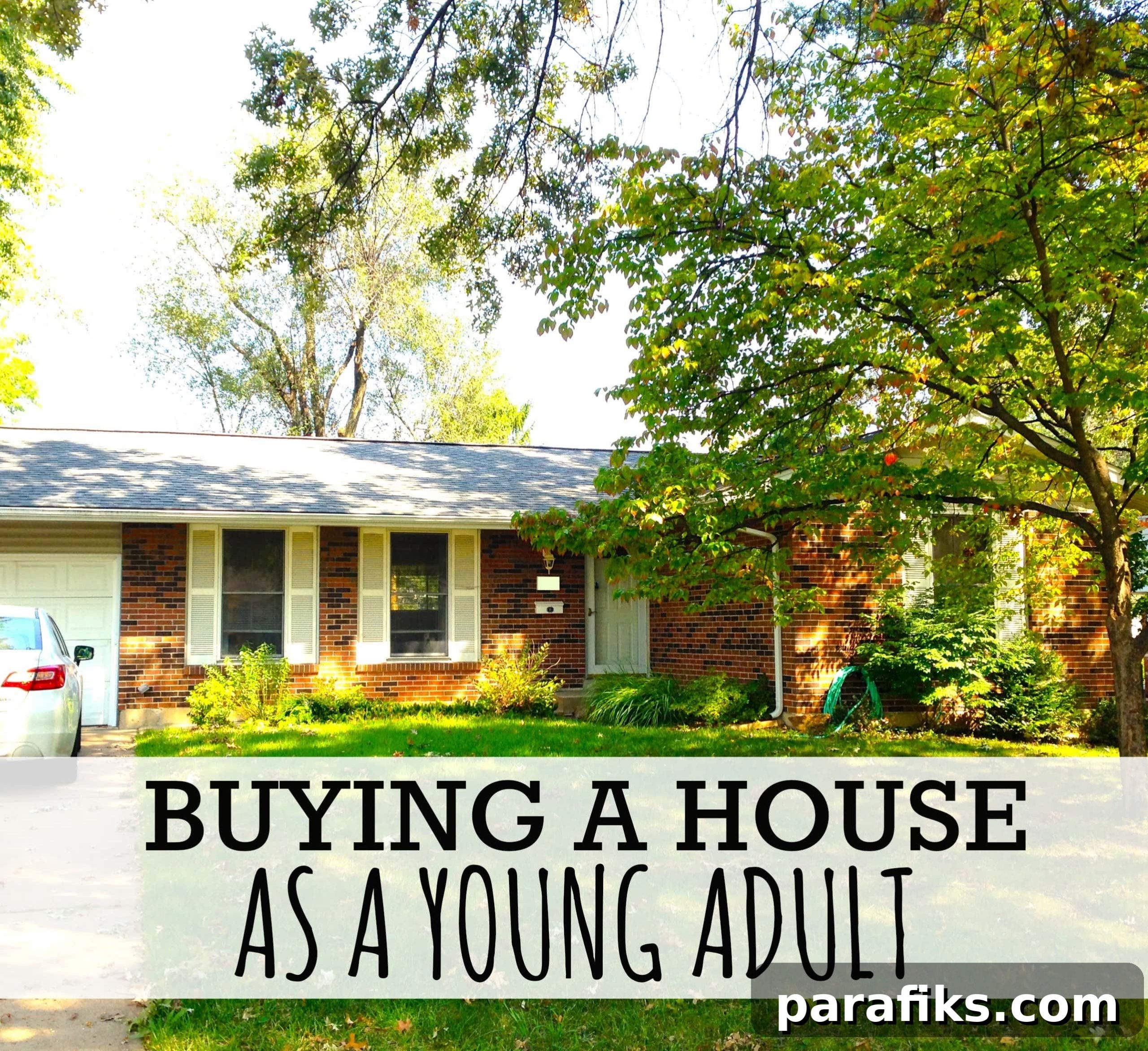
Buying a house at a young age is a question I get asked all the time. Whether you’re thinking about buying a house at 18, 19, 20, or 21, it’s a major life decision with long-term financial and personal implications.
We bought our first home at 20. I know that sounds surprising to many people — some assume the house must be rundown, that family paid for it, or that I’m exaggerating. I’ve heard all of that. Over the years I’ve been asked how we did it, what we learned, and what I would do differently. Now that more friends are buying homes, those questions come up even more.
Here’s a bit of background: Why did we decide to buy at 20? I was still in college and both of us had modest jobs, but we were working full time and earning enough to qualify for a mortgage. There are a lot of considerations before buying a home, so I’ll share our reasons and lessons learned.
We started living together right after high school and had been cohabiting for a little over two years when we began house hunting. We were ready to leave our rental. The rent was low because we were living in a relative’s house, but the space was cramped — our bed was in the basement and there wasn’t a proper bedroom. On top of that, our neighbor’s behavior became increasingly alarming.
We moved out just in time. The situation escalated after we left — the person who rented the house after us was later murdered by that neighbor, according to family who shared the information with us. That was a grim confirmation that leaving when we did was the right move.
After we left the rental, we temporarily stayed with family and paid a small amount for living in a basement room. We wanted to find a house quickly, and signing a lease on an apartment didn’t feel like the best option at the time. We kept hearing that the housing market had bottomed out and that prices wouldn’t be this low again, which motivated us to look seriously.
We lived in a more affordable region — the Midwest — so the market conditions helped. We saw plenty of good deals and eventually found a house that was slightly above our budget but still well below our lending approval amount.
How to buy a house in your 20s
Should you buy a house in your early 20s?
There’s no one-size-fits-all answer. Buying in your early 20s is possible, and many people do it successfully, but your situation matters: income stability, job prospects, local housing prices, and personal goals all play a role. If you live in a lower-cost area and have steady employment or strong financial support, it becomes more feasible.
What is the best age to buy a house?
There isn’t a universally “best” age. The right time depends on your finances, lifestyle, relationship stability, and career trajectory. Some people prioritize stability and equity-building early, while others prefer flexibility and travel before settling down.
Should you buy a cheap house first?
A “starter home” makes sense for many buyers—it can lower monthly costs and reduce financial risk. But a starter home isn’t mandatory. Your needs may change quickly, and you might end up staying longer than planned. Be realistic about how long you expect to live in the home and whether it suits potential life changes.
Is it smart to buy a house in your 20s?
Buying a house in your 20s can be a smart move if you make informed choices, plan financially, and understand your obligations. Conversely, it can be risky if you overextend yourself or don’t account for possible changes in income, relationship status, or career plans.
Below are the things I would have done differently and lessons that can help others considering homeownership early.
1. Consider timing carefully
Although our purchase worked out, I sometimes wonder if we should have rented longer to build a larger savings cushion. Buying so early may limit flexibility, and many relationships and careers evolve significantly in your twenties. If your relationship ends or your job changes, homeownership can become challenging. We were fortunate, but it wasn’t guaranteed.
2. Be realistic about income and expenses
I assumed I would secure a steady job immediately after graduation. I did graduate only months after buying the house, but if I hadn’t landed that position, we would’ve struggled more. We had some savings to cover shortfalls, but our discretionary spending had to be limited. When you buy young, make conservative assumptions about future income and maintain an emergency fund to cover mortgage, taxes, insurance, and maintenance.

3. Weigh the trade-off with freedom and travel
Owning a house reduces mobility. If your priority is traveling extensively or moving frequently for work, renting may be a better choice until your plans stabilize. I sometimes wonder whether I would have traveled more if I hadn’t been tied to a mortgage, but I don’t regret the stability and equity it provided.
Buying a house in your 20s is a personal decision that should account for financial readiness, career plans, and life goals. If you decide to move forward, do thorough research, budget conservatively, and keep contingency funds available.
What decisions would you have changed with your house purchase? Do you have tips for young buyers, or are you already considering another property like I am?