
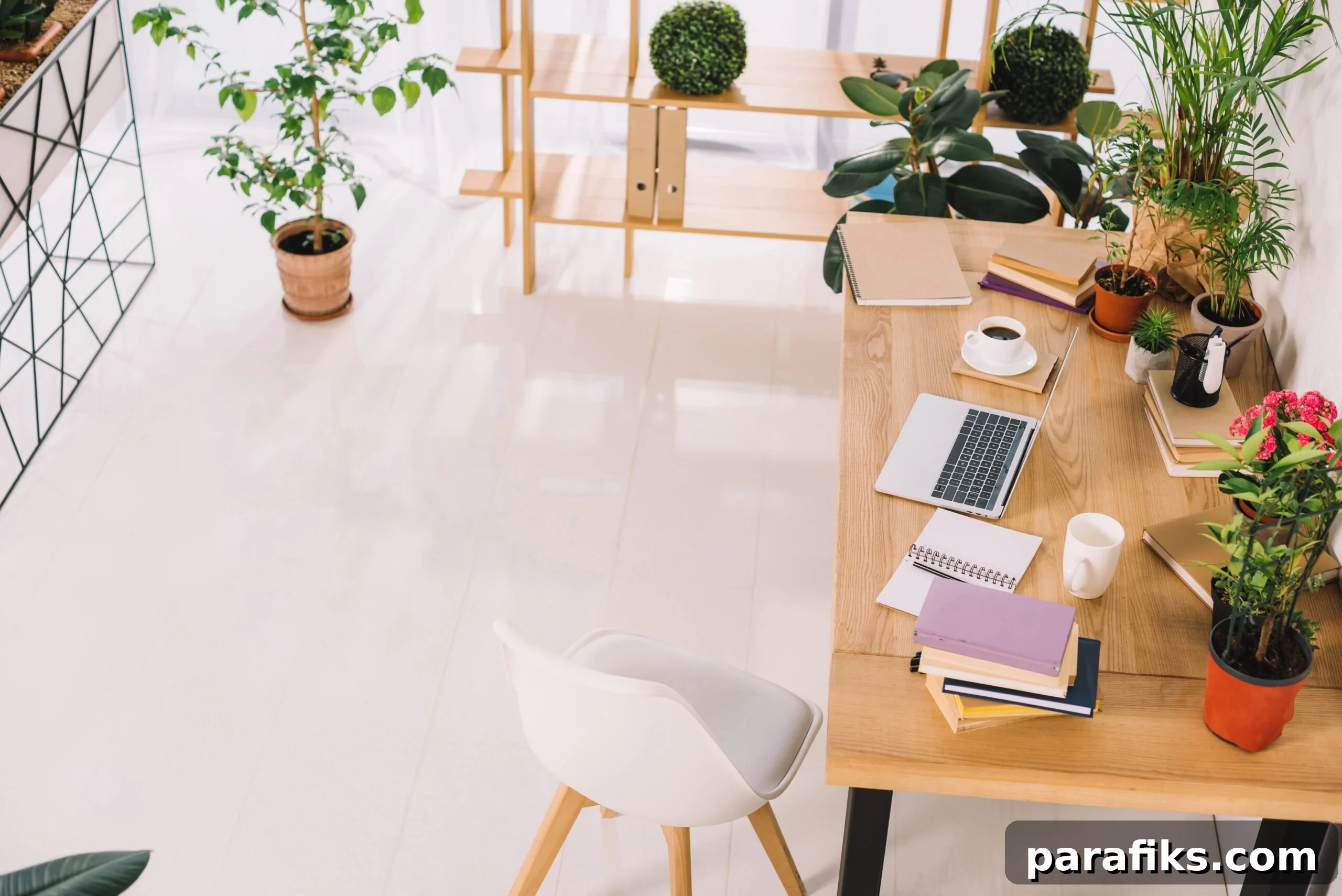
Do you want to start living a minimalist lifestyle? Here are practical minimalist lifestyle tips to help you enjoy the benefits of minimalism.
I didn’t always live like this. I used to buy excessive amounts of clothing and random household items. I wasn’t interested in a minimalist lifestyle and I held on to far more than I needed.
I hoarded things thinking I’d someday use them. I convinced myself I needed them, which led to overspending when my money could have been put to far better use.
A few years ago I realized I had an unhealthy relationship with material possessions. It wasn’t just having too much stuff; I was using purchases to compensate for unhappiness with my job and other areas of life.
Everything shifted when I quit my day job to blog full time. When we decided to travel full time—first in an RV and now on a sailboat—we had to donate or give away the majority of our belongings. Letting go was difficult, but it left me with only what I actually use to get through each day or week.
Honestly, I love it.
As full-time travelers, there’s no room for extras. Before buying anything now, we seriously consider whether it will be useful because we can only carry so much.
I never planned to embrace minimalism, but since doing so I’ve become much happier.
I’m not saying everyone should be a minimalist. Buying things isn’t inherently bad—many items can make life easier. My goal here is to introduce the idea of minimalism, especially since many people own more than they need. Excess possessions can produce debt, unnecessary spending to impress others, wasted time, and ongoing stress.
Minimalism changed my life for the better, and I believe it can help others too. Before I simplified, I spent a lot of time worrying about money. That stress is mostly gone now.
It’s easy to fill your life with things: overflowing closets, crowded homes, and possessions that require upkeep. Home sizes have grown dramatically over the decades, which makes it easy to accumulate more than we need. But minimalism is not just about living in a smaller house; it’s about simplifying life so you can focus on what truly matters. Here are a few key benefits:
- Save more money. Buying less and purchasing only what you need reduces spending and increases savings.
- Reduce clutter. Physical clutter often becomes mental clutter. Less stuff helps decrease stress and overwhelm.
- Gain time. Fewer possessions mean less time spent cleaning, maintaining, and repairing things, freeing up time for what matters most.
How the minimalist lifestyle has changed my life
Clothing no longer defines me.
I used to spend far too much on clothes. In high school and college I worked at a resale clothing store and often came home with more clothes. Even though they were cheaper, I didn’t need them.
After downsizing to an RV and then to a sailboat, I discovered I don’t need much to be happy. If you saw my current wardrobe compared to before, you’d be surprised. I used to believe I needed a massive wardrobe to feel satisfied, but now I hardly buy clothing and often wear the same pieces for years—even shirts with holes.
My approach now is to choose classic, high-quality items that won’t quickly go out of style, rather than chasing fast trends that fall apart.
Buying intentionally feels liberating. Instead of shopping to keep up with others or to soothe emotions, I purchase only what I truly want or need.
Minimalism gives me more time.
The less you own, the less you have to maintain. Time spent on cleaning, repairs, and upkeep shrinks dramatically when your possessions are fewer and more purposeful. I prefer having fewer items and more time to enjoy life.
I realized I don’t need much.
Before minimalism, I kept many items out of a fear I might need them someday. In truth, I was using perhaps 25%—likely even less—of what I owned. If you struggle to let things go, try a one-year rule: if you don’t use an item within a year, you probably won’t miss it. Borrow or rent infrequently used items instead of buying them.
We donated or gave away so much that I can’t even remember a lot of it—proof that those things didn’t add value to my life.
I save more money.
Minimalism improved our financial outlook. By focusing on needs rather than wants, we stopped collecting clutter and reduced unnecessary spending. Now I can walk into a store and buy only what I need, even at a big retailer, and feel confident about saying “no” to impulse purchases.
This control over spending has helped us save significantly.
Things don’t make me happy.
More possessions don’t equal more happiness. Despite having far fewer things now, I’m happier than ever. Previously, my physical clutter created mental clutter—guilt about spending, stress over unused items, and constant maintenance. If your spending and possessions cause negative feelings, it’s time to change.
You’ll likely never be grateful for an accumulation of items decades later, but you will be grateful if you learn to manage your spending and live intentionally.
A minimalist home makes travel possible.
Traveling full time on a sailboat requires maintaining a minimalist lifestyle. Choosing mobility and experiences over possessions has been immensely rewarding. It would be difficult to enjoy this life with excess things weighing us down.
How to start living a minimalist lifestyle
There are many benefits to a simpler life. To get started, begin by decluttering: evaluate what you use and need, set a timeline for items you rarely touch, and donate or sell what no longer serves you. Downsizing your living space, even gradually, can be a practical way to make a lasting change.
Decluttering can truly change your life.
Do you think minimalist living could change your life? Why or why not?