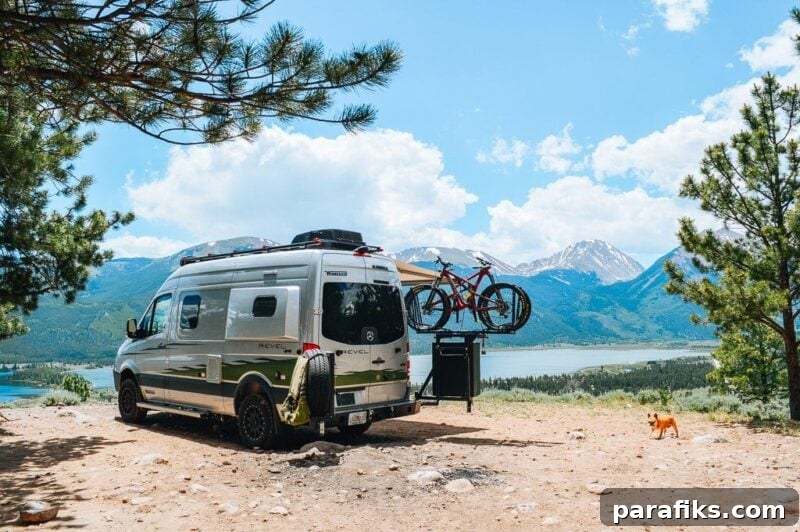
Long-term travel is a dream for many. It doesn’t have to remain a dream. After reading this article, you’ll understand what it takes to travel for an extended period.
Since we switched to full-time RV living, I’ve met countless people who travel full-time. Some don’t work and live off savings, others are retired, some pick up odd jobs on the road, and many work remotely while traveling.
I’ve met fascinating, resourceful travelers who prove that long-term travel is achievable for almost anyone—it comes down to how much you want it.
Families can do it too. If you’re skeptical, read Becoming an RV Family – How We Travel Full-Time With 4 Kids and 2 Dogs for an example.
Not everyone wants to travel long-term, but if you do, keep reading. Below are practical strategies and real approaches I’ve seen on the road that will help you save enough money and plan effectively for extended travel.
During our travels I’ve met people who support themselves in many different ways, including:
- A near-retirement couple who bought an RV and worked at campgrounds in exchange for free monthly stays.
- Employees who work Monday through Friday for a traditional employer while living full-time in their RVs—what they need most is reliable internet.
- A reseller who travels to hunt antiques and items to flip for profit.
- Full-time bloggers and online entrepreneurs.
- Filmmakers, photographers, graphic designers, and virtual assistants who take clients remotely.
- People who work for campgrounds, hotels, and hostels as they travel.
- Adventure guides such as rock climbing and river rafting instructors.
- Retirees traveling on savings or pensions.
- Seasonal workers who work intensely for part of the year and travel during the rest.
- An au pair who combined long-term travel with childcare placements.
- And many more creative variations.
Most of these travelers were not online freelancers. Everyone carves their own path, so you can find approaches that match your skills and lifestyle.
Below are practical tips to help you save enough for long-term travel. It won’t always be easy, but it will be worth it.
Figure out how much money you need
Start by estimating your monthly cost while traveling. Research your destinations to estimate accommodation, transportation, food, activities, and incidentals. Your travel style—budget, mid-range, or luxury—will determine that monthly figure.
Once you have a monthly estimate, calculate the total you’ll need based on:
- How many months you’ll be gone.
- Which countries or regions you’ll visit.
- If you’ll return home periodically for visits.
- Whether you plan to keep property, like a home or car.
- How fast you’ll move between places.
- What activities and costs you’ll incur while traveling.
Pay yourself first — save before you spend
After covering essential bills and retirement contributions, prioritize transferring a set amount to your travel fund before allocating money to discretionary spending. Automating this transfer makes saving consistent and removes temptation.
When you reduce the money available for day-to-day spending, you’ll naturally cut unnecessary purchases and focus on the goal.
Stick to a budget
A budget keeps you aware of income and expenses, helps you set limits for spending categories, and highlights areas where you can save more toward your travel fund. Regularly tracking your budget accelerates your progress.
Pay off debt
Eliminating debt before you leave reduces stress and lowers monthly obligations while you’re traveling. Being debt-free makes budgeting on the road simpler and gives you more flexibility.
Create a vision board
Visual reminders keep you motivated. Creating a vision board, saving photos of destinations, or even launching a small travel blog can help sustain focus, track progress, and make saving more enjoyable.
Work while you travel and become location independent
Many travelers earn income on the road. If location independence appeals to you, consider options such as:
- Running a website or blog to generate income through ads, affiliate marketing, sponsorships, and digital products.
- Freelance writing, virtual assistance, or other client-based remote work.
- Selling products or services online, or reselling finds collected while traveling.
- Housesitting in exchange for free accommodation, sometimes with payment.
- Working remotely for an employer who allows location flexibility.
Find work where you stay
If you plan to stay in one place for an extended period, local jobs can cover living costs. Options include:
- Bartending or restaurant work.
- Staff positions at hotels, campgrounds, or hostels.
- Farm help or seasonal agricultural work.
- Jobs on cruise ships or yachts.
- Tutoring or teaching, including teaching English abroad.
- Au pair placements combining travel with childcare.
Work hard before you go
If you prefer to travel without working on the road, consider intensifying your work and saving beforehand. Taking on side jobs, freelance projects, or launching a side business can significantly boost your travel fund and shorten the time it takes to reach your goal.
Sell your car
If a car won’t be necessary during your travels, selling it can free up cash and remove insurance, maintenance, and registration costs. Many travelers downsize vehicles or eliminate extra cars to simplify life and increase savings.
Sell or rent out your home
If you won’t use your home, consider selling it or renting it out. Moving belongings into storage or minimizing possessions reduces ongoing expenses and makes long-term travel easier. Selling a house can remove large fixed costs and give you more freedom to travel.
Stretch your dollars
Learning to be frugal both before and during travel extends your budget. Cost-saving tactics include staying with friends, couchsurfing, using hostels, monitoring food costs, canceling unused memberships, and prioritizing low-cost activities.
Use travel hacking
Travel hacking—earning airline miles and hotel points—can significantly reduce transportation and accommodation costs. Strategic card bonuses and loyalty programs helped some travelers secure flights and hotels for little or no cash outlay.
Travel slowly
Traveling slowly often reduces costs because transportation is one of the largest travel expenses. Staying longer in one place lowers transit frequency, lets you find local deals, and increases opportunities for temporary work. Fast travel lets you see more places but usually costs more.
Are you interested in long-term travel? Why or why not?