Do you want to learn how to sell breast milk and earn extra income?
If you have surplus breast milk, selling it can provide a meaningful source of side income while helping babies and families in need.
This article explains how to sell breast milk safely and legally, typical price ranges, where to find buyers, and ways to increase your supply if you choose to sell.
Key Takeaways
- Selling breast milk can provide extra income and help infants who need donor milk.
- Proper hygiene, storage, and screening are essential to keep milk safe for consumption.
- You can use specialized marketplaces, milk banks, classifieds, and social media groups to sell or donate milk. Some people give milk away for free; others charge. Both options are valid.
- Prices commonly range from about $1 to $2 per ounce. Since infants may consume 20–30 ounces a day, a steady supply can generate meaningful earnings, though individual results vary.
How To Sell Breast Milk
Is selling breast milk legal?
Selling breast milk is legal in many countries, including the United States, but regulations vary by location. Check local rules regarding the sale of bodily fluids and consult milk banks or health authorities if you need guidance.
Is there a market for breast milk?
Yes. Demand arises from parents who cannot produce enough milk, adoptive families, preterm infants in clinical settings, and, in some cases, adults who purchase donor milk for personal reasons. Buyers seek safe, screened milk, and some prefer milk from donors who share specific health or lifestyle information.
Pumping and handling milk requires significant time and effort, so weigh the benefits and commitments before deciding to sell.
How much can you sell breast milk for?
Typical rates range from about $1 to $2 per ounce. Some sellers report higher monthly earnings, but those outcomes depend on an unusually large supply and sustained demand. Expect variability and remember that selling requires consistent pumping, proper storage, and time for screening and coordination with buyers.
4 Best Places To Sell Breast Milk
Here are common channels used by donors and sellers.
1. Only the Breast
Only the Breast is a dedicated marketplace for buying and selling breast milk. Sellers can post listings, set local or bulk pricing, and specify buyer criteria. Listings often show a range of prices—bulk offers tend to be lower per ounce, while smaller quantities can command higher rates. The platform allows sellers to state preferences, such as selling only for infant use.
2. Tiny Treasures Milk Bank
Tiny Treasures Milk Bank partners with clinical manufacturers and hospitals and pays donors for screened, healthy milk. They provide storage bags and coordinate collection. Milk donated to accredited banks helps medically fragile and premature infants and is processed under safety protocols.
3. Craigslist
Craigslist allows local classified ads where sellers can reach a broad local audience. Ads typically include photos of frozen milk, pricing, and relevant health details. Exercise caution: meet buyers in safe, public places when applicable, and follow safety practices for transactions. Prices on classifieds can range widely.
4. Facebook groups
Many Facebook groups focus on buying, selling, or sharing breast milk. Search for groups in your region or groups dedicated to specific needs (e.g., neonatal, adoption, or fitness communities). Read group rules and ensure transparent communication about screening, storage, and intended use.

Donating breast milk
Donating milk to accredited milk banks or community donation programs can save lives, especially for premature and medically fragile infants. Accredited milk banks follow strict screening, pasteurization, and handling protocols to ensure safety.
Informal milk sharing—direct donor-to-recipient arrangements or cross-nursing—also occurs. If you choose informal sharing, be diligent about screening, hygiene, and transparent communication between donor and recipient.
Key safety practices for donation or sale:
- Use sterile containers when pumping and storing milk.
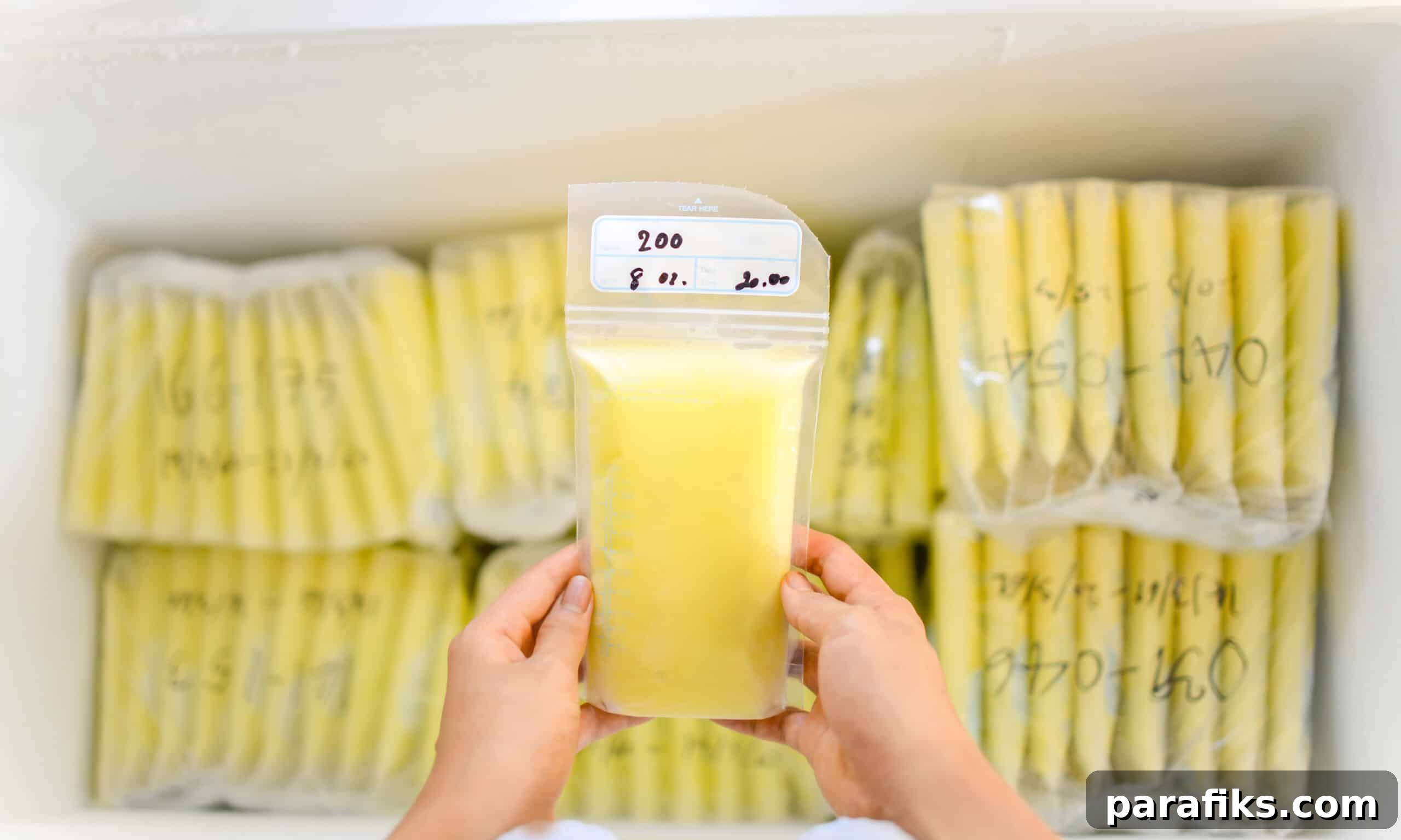
- Freeze milk as soon as possible after pumping to preserve quality.
- Label containers with the date and any necessary donor information.
- Follow the specific guidelines provided by the milk bank or recipient organization.
Things To Think About When Donating Or Selling Breast Milk
Consider these important factors before selling or donating.
Health and safety considerations
Maintain rigorous hygiene: use a reliable breast pump, clean and sterilize all equipment, and store milk at recommended temperatures. Milk banks and many private buyers require health screening. Common disqualifiers include tobacco use, certain medications, recent tattoos or transplants, and positive tests for infectious diseases. You may be asked to provide blood tests for HIV, syphilis, and other screenings, and some organizations request milk samples for testing.
Legal aspects
If selling online or privately, be transparent about your health, lifestyle, medications, and any other information buyers may need to make an informed decision. Honest disclosure protects recipients and helps build trust.
Challenges and risks
Logistics can be difficult: shipping requires cold-chain management to keep milk frozen, and coordinating pickups or drop-offs takes time. Pumping itself is time-consuming and can be physically demanding. Balance the time required against potential earnings and personal priorities.
How To Increase Your Milk Supply
If you plan to sell, you might want to increase supply. The following practices commonly support lactation:
Courses and resources
Educational programs and lactation courses can teach effective pumping routines, storage techniques, and ways to boost production. Many parents find guided instruction helpful for establishing or increasing supply.
Practical tips to consider:
- Nurse frequently: Aim for regular stimulation—about 8–12 sessions per day early on—to encourage production.
- Use a pump: A high-quality pump, including hands-free options, helps build and maintain supply without needing to nurse directly.
- Manage stress: Relaxation while pumping can improve let-down. Find calm activities or a comfortable routine to reduce tension.
- Nutrition: Some donors find that lactation-supporting foods—like oats, fenugreek, fennel, and adequate protein—support supply, though results vary.
Frequently Asked Questions About How To Sell Breast Milk
Answers to common questions:
Who buys breast milk?
Buyers include parents with low milk supply, adoptive families, neonatal units that purchase processed donor milk through accredited channels, and some adults who buy donor milk for personal use.
Is it wrong to sell breast milk instead of donating it?
Selling milk is a personal choice. Pumping takes time and effort, and many donors view compensation as fair for their labor and resources. Whether to sell or donate depends on your values, needs, and circumstances.
Is it ethical to sell breast milk to bodybuilders online?
Opinions vary. Some see it as a consensual exchange that benefits both parties; others find it inappropriate. Ethics are subjective—ensure both parties understand screening, intended use, and consent.
How to sell breast milk to bodybuilders?
Targeted listings on breast milk marketplaces, classifieds, or niche social media groups can reach buyers in the fitness community. Be clear about screening results, storage, shipping, and intended use to maintain transparency.
Where can I find milk banks near me?
Accredited milk banks often publish directories or are listed through national associations. Contact reputable milk banking organizations or local healthcare providers for recommendations and locations.
Where to sell breast milk online?
Dedicated marketplaces, specialized classifieds, and community groups are common online channels. Choose platforms that allow you to clearly communicate screening and storage information and that align with your comfort level.
How To Sell Breast Milk – Summary
Selling breast milk can offer extra income and help families in need, but it requires careful attention to safety, legal requirements, and logistics. Decide whether selling or donating fits your priorities, be transparent about health and handling, and use trusted channels to connect with buyers or donation centers.
Have you considered selling breast milk? What are your thoughts about it?
Recommended reading:
- 28 Best Jobs For Single Moms
- 16 Best Jobs for Pregnant Women
- 11 Best Places To Sell Used Baby Items