
Picking up dog poop may not be the first business idea that comes to mind when you think of earning extra income, but once you understand how a pet waste removal business operates, it becomes clear why it’s an attractive opportunity. It’s a simple, local service people willingly pay for, it can be launched with low startup costs, and it generates recurring monthly revenue.
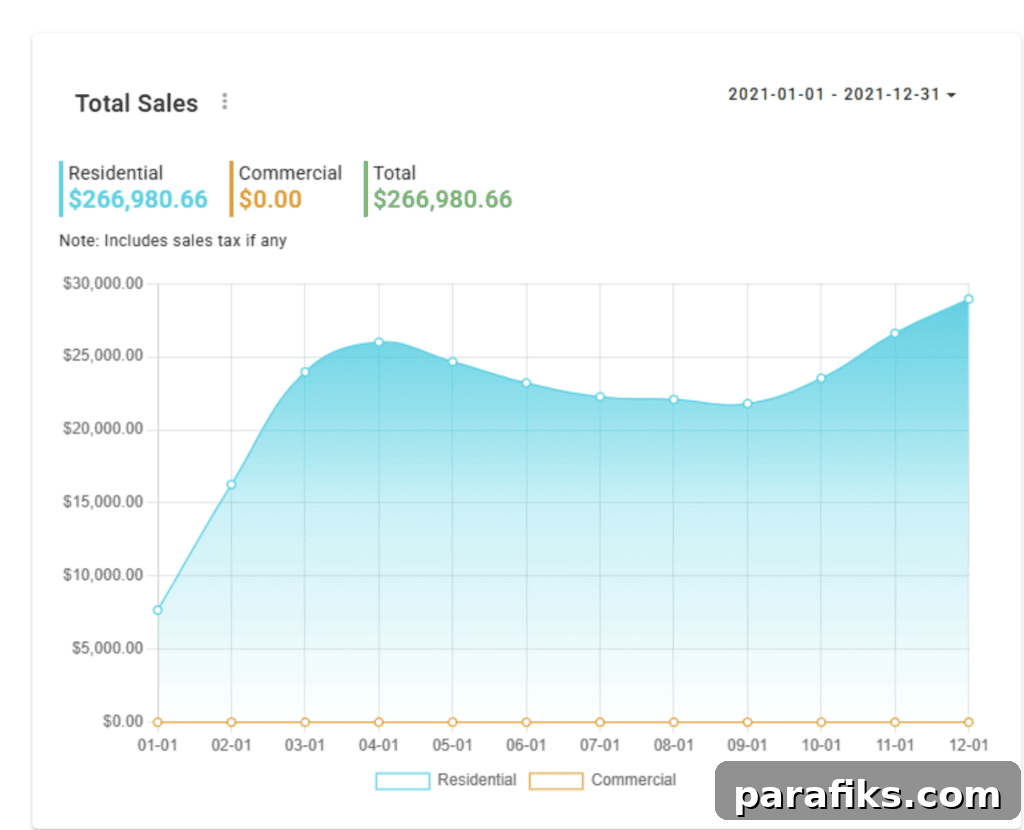
In this interview I speak with William Milliken, founder of a pet waste removal company that began as a side project and quickly scaled into a substantial multi-state business. William originally expected the venture to bring in roughly $1,000 a month, but in the first calendar year (2021) his company generated over $260,000 in scooping revenue and served more than 300 recurring customers. By 2026 the operation reached a single month with over $400,000 in scooping revenue and now maintains service for over 2,500 recurring clients across multiple states.
Highlights from the interview include:
- What a pet waste removal business is and why customers pay for it
- Realistic earnings for the first 6–12 months
- Effective ways to land your first 10 customers
- Essential startup purchases and what you can skip
- How to price services and avoid common beginner mistakes
- A step-by-step plan to get started this month
How To Start a Pet Waste Removal Business
If you want to start a pooper scooper business, this interview offers practical, actionable guidance to get you going.
1. Tell us your story — who are you and why did you start a dog waste removal business?
I come from a digital marketing background focused on home service companies. I partnered with operators in trades like electrical and garage doors, co-owned businesses with them, and built systems to scale local services. Eventually my friend Levi, who didn’t have a trade background, wanted a business we could run together that didn’t require years of technical training.
When my wife hired a dog waste removal service while I was busy and we were expecting a baby, the service experience was disappointing—unreliable visits, poor communication, and messy billing. That revealed an opportunity: the business was simple to start, had recurring revenue, and the market was underserved and unsystematic. It wasn’t about the scooping itself as much as building a professional, subscription-based home service in a nascent industry.
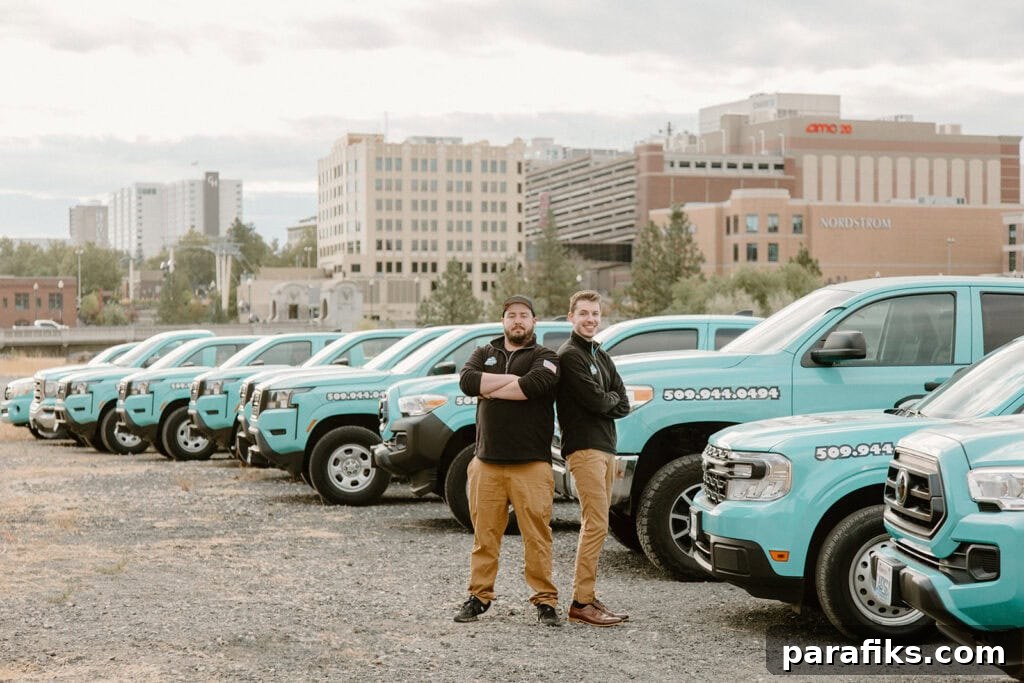
I expected a small side income at first, but we rapidly expanded—buying trucks, hiring employees, and building systems—turning a modest idea into a full-scale business.
2. What is a dog waste removal business and who pays for it?
A pet waste removal (pooper scooper) business provides scheduled visits—typically weekly or bi-weekly—to remove dog waste from yards and dispose of it properly. The service is intentionally simple: reliable, consistent cleanups delivered on schedule.
Pricing depends on the number of dogs, yard size, and visit frequency. William’s company averages just over $110 per month per customer. Customers range widely: seniors, people with disabilities, busy parents, dual-income households, and professionals who prefer to spend free time on other things. People pay because removing pet waste is a recurring, unpleasant chore that most customers would rather outsource.
3. How much can you realistically make?
A solo operator can realistically handle 125–150 recurring accounts with efficient routing. With weekly service at that scale, reaching six figures is achievable. In the first 6–12 months, a committed operator who markets consistently can often build 50–100 recurring customers, and recurring revenue compounds from there.
The model’s appeal lies in low overhead: main supplies are bags and basic tools, not expensive materials or heavy equipment. You can run it as a high-margin solo business or build systems and scale into a larger company. William’s business reached over $260,000 in its first year and scaled to serve more than 2,500 clients across states, hitting a month with over $400,000 in scooping revenue in 2026.
4. What does a typical day look like?
On day one as a solo operator, most time is field-based: driving between homes, cleaning yards, responding to customer messages, handling billing, and marketing. Driving time and route density are major factors in profitability.
As the business grows, the owner’s role shifts toward management—overseeing operations, marketing, customer service, hiring, and expansion. With proper systems and staff, the company becomes less hands-on for the founder and more strategy-focused.

5. How did you get your first customers and how can you get your first 10 today?
Early customers came from local Facebook neighborhood groups and door hangers. Posting professionally in community groups and leaving door hangers in neighborhoods with many dogs proved effective. Facebook community posts remain a low-cost, high-impact tactic.
The “free trial” method—offering a few free cleanups to friends or neighbors in exchange for feedback and reviews—builds social proof quickly. Paid channels that work well at scale include Meta Ads, Google Ads plus SEO, and truck wraps for brand visibility. However, William warns to test before investing heavily and to avoid gimmicky campaigns that don’t align with customers’ expectations.
6. Is there room for new entrants?
Yes. The market is still underserved in many areas: for example, one location had about 10 dedicated dog waste removal companies versus 700 lawn care companies. Pet ownership and spending on pet services continue to rise, creating steady demand. The business is simple, recurring, scalable, and generally doesn’t require trade-specific licensing, making it an attractive future opportunity.
7. Can it be a side hustle?
Yes. Many operators begin by serving customers evenings and weekends and build route density around limited availability. Divide a territory into smaller regions and assign each region to a specific day to keep driving time low. Start concentrated, then expand as demand and cash flow grow.
8. What are startup costs and how is waste disposed of?
Startup costs are low relative to most home services. Minimum equipment includes a quality garden rake, a sturdy dustpan, disposal bags, kennel-grade disinfectant, reliable transportation, and a smartphone. If you already own a vehicle, you can start with a few hundred dollars.
Beginners should skip large upfront ad spends until the market is validated. For disposal, common approaches are hauling waste to a dedicated dumpster serviced by a waste company or double-bagging waste and placing it in the customer’s trash bin. Both methods have worked; most customers care about convenience rather than disposal details.
9. Do you need licenses, permits, or insurance?
Generally, no special trade licenses are required beyond standard business registration and local permits. However, set the business up properly: form an entity, obtain local business licenses, and carry general liability insurance. If you add specialized services like certain sanitation treatments, check local regulations for additional requirements.
10. How should you price services and avoid common mistakes?
Price primarily based on number of dogs, property size, and service frequency. William’s average customer pays a little over $110 per month, but local markets vary. Common mistakes include underpricing and ignoring travel and route density. Presenting pricing as a low per-visit number alongside the monthly total helps conversions. Longer billing intervals reduce churn—annual billing improves retention and cash flow for many operators.
11. What are the best and the hardest parts of this business?
The best part is predictable recurring revenue: with a solid base of recurring customers, financials become far more predictable than in project-based trades. The business allows focus on operations and growth rather than constant sales.
The challenges are operational: hiring, training, and retention are critical because the team’s quality directly affects customer experience and churn. Seasonal demand swings—such as spikes when snow melts—require planning to balance staffing and service levels. Growing into a larger company still demands discipline, clear systems, and strong leadership.
12. Advice for someone nervous or embarrassed to start this work?
Starting any business can be nerve-racking, but this model carries relatively low financial risk and can be validated quickly. Many owners find satisfaction in building recurring revenue and efficient systems. If the numbers and lifestyle align with your goals, the opinions of others matter less than income, freedom, and ownership. Treat the business seriously, and focus on the outcomes rather than outside perceptions.
13. Step-by-step process to start
High-level steps to launch:
- Set up the business legally: form your entity, obtain local licenses, and secure general liability insurance.
- Buy essential equipment: rake, dustpan, bags, disinfectant, reliable transportation, and a smartphone.
- Define your service structure: set visit frequencies, pricing rules (dogs, yard size), and billing cadence.
- Design routes: divide your service area into smaller zones and assign days to each zone to maximize route density.
- Acquire customers: start with community groups, door hangers, free trials for reviews, and small ad tests once validated.
- Build systems: scheduling, billing, route optimization, hiring, and customer communications.
- Decide growth path: remain a high-margin solo operator or hire teams and expand into multiple territories.
Consistency, pricing discipline, and systems differentiate successful operators from those who struggle.
14. About the paid community and who it’s for
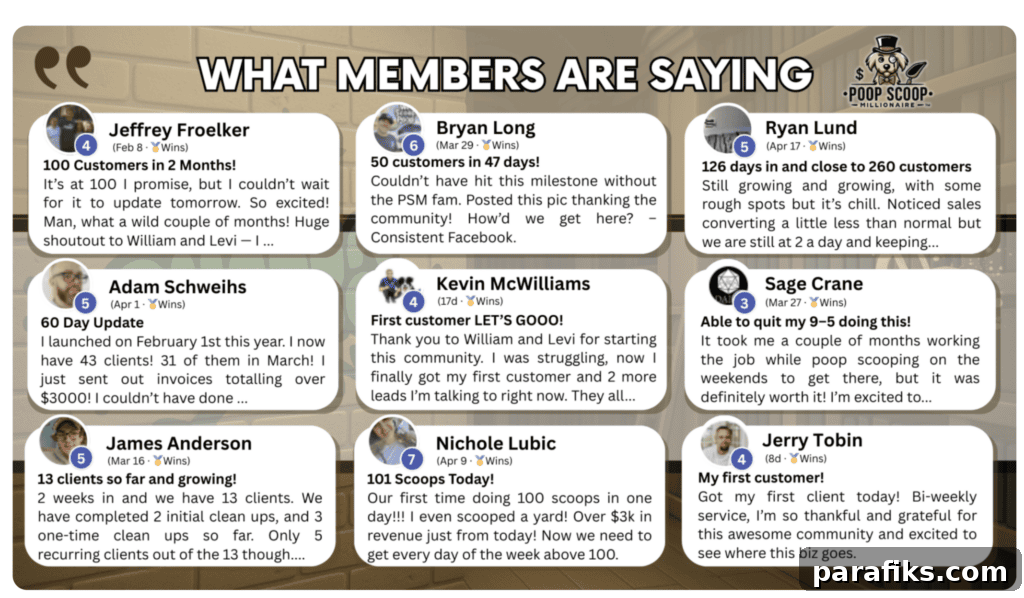
The paid community is built for two main audiences: entrepreneurs who want to start correctly from day one, and existing operators who want to scale. It includes structured courses on business setup, equipment, pricing, routing, software, marketing, sales scripts, hiring, retention, and expansion, plus regular live Q&A sessions and a peer network for sharing results and negotiating group discounts on tools and services.
The biggest value comes from actionable training and community support that shortens the learning curve for serious operators.
Would you try a practical, “non-glamorous” business if it could make $100,000 a year?
Recommended reading:
- How I Started A $650,000 Per Year Litter Cleanup Business
- 15 Monthly Service Business Ideas To Start
- How To Start a Remote Cleaning Business and Make $100,000+ Each Year
- How To Sell Your Poop And Make $180,000 A Year
- How I Made $6,161 in Just 4 Months With a New Etsy Printables Shop
- How I Got Paid $39,177 Directly From Facebook in One Month Just To Post Content