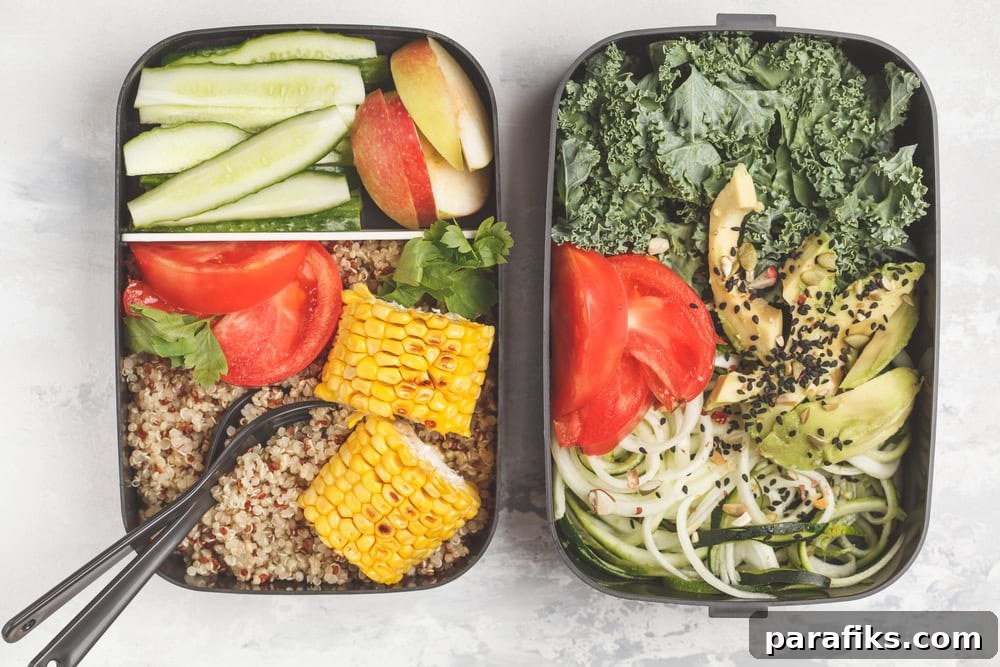
Do you want to learn how to save money as a vegan?
I’ve followed a vegan diet for about a decade and picked up practical strategies along the way. A plant-based lifestyle can benefit your health, the planet, and animals — and it doesn’t have to be expensive. With a few simple habits and smart choices, you can prepare satisfying, nutritious vegan meals while keeping your grocery bill under control.
Below are realistic, actionable tips to help you reduce food costs while eating more plant-based meals. These suggestions work whether you’re fully vegan or just incorporating more meatless dishes into your routine.
How To Save Money as a Vegan
Here are proven ways to cut food costs as a vegan without sacrificing variety or flavor.
1. Buy food in bulk
Purchasing pantry staples in bulk is one of the most effective ways to lower grocery expenses. Items like rice, beans, pasta, oats, and lentils are typically cheaper per pound when bought in larger quantities. Store them in airtight containers to keep them fresh for months and reduce waste.
Many supermarkets and international markets offer bulk sections, which often provide the best prices. Buying larger packages at discount stores can also deliver significant savings over time.
2. Buy frozen
Frozen fruits and vegetables are a budget-friendly, nutritious option. They’re usually less expensive than out-of-season fresh produce, and they’re frozen at peak ripeness, so they retain vitamins and flavor.
Frozen produce stores longer and reduces spoilage, making it ideal for smoothies, soups, stir-fries, curries, and side dishes. For people who frequently toss spoiled fresh produce, switching to frozen can lead to noticeable savings.
3. Go to discount grocery stores
Discount grocery stores and outlets that sell overstock, close-to-expiration items, or seasonal surpluses can offer steep discounts on many vegan products. Stock rotation at these stores means you’ll find different bargains each visit, so go with an open mind and look for high-value finds.
Examples of the savings you can expect include heavily discounted prepared vegan meals, condiments, and packaged goods. If you’re flexible about brands and exact items, discount stores can be a goldmine.
4. Shop Trader Joe’s for affordable vegan staples
Trader Joe’s is a reliable source for reasonably priced vegan items, especially plant-based meat and cheese alternatives. Their selection often includes convenient, flavorful products that are wallet-friendly. Favorites typically include marinated tofu, tempeh, frozen vegan entrees, dairy-free cheeses, and vegan desserts.
5. Use Costco for bulk staples
Warehouse clubs like Costco can be excellent for buying vegan staples in bulk at low per-unit prices. Frozen fruits and vegetables, beans, grains, tofu multipacks, nut butters, and other pantry basics often come at better value by quantity. If you use these staples frequently, a membership can pay off quickly.
6. Plan your meals
Meal planning is one of the most powerful ways to save. Planning ahead helps you buy only what you need, reduce impulse purchases, and minimize waste. Prepare a weekly meal plan, shop with a list, and include leftovers to stretch ingredients further.
When stuck for ideas, use a simple tool or app to generate meal plans from the ingredients you already have. Repeating meals a few times per week also simplifies shopping and cooking.
7. Make your own vegan treats
Homemade versions of vegan snacks and desserts are often cheaper and healthier than store-bought alternatives. Many popular treats, from cookies to fruit-filled pastries, can be easily veganized with simple swaps. Making your own also lets you control portions and ingredients.
8. Repurpose leftovers
Transforming leftovers into new dishes saves money and keeps meals interesting. For example:
- Blend leftover roasted vegetables into a creamy soup.
- Use cooked beans as a base for veggie burgers or taco filling.
- Turn leftover rice into fried rice or rice bowls with fresh toppings.
9. Shop online for deals
Online grocery platforms can make it easy to compare prices, find sales, and buy in bulk without visiting multiple stores. If you use a delivery subscription or membership that includes free or discounted shipping, it can save time and money, especially when purchasing non-perishables and pantry staples.
10. Buy seasonal produce
Choosing produce that’s in season usually yields better flavor at lower cost. Seasonal items are abundant and cheaper, while out-of-season produce is often imported and pricier. Use seasonal buying to plan recipes and preserve excess fruit and vegetables by freezing or canning.
Typical seasonal patterns:
Spring
- Strawberries, asparagus, spinach, peas, radishes
Summer
- Berries, mangoes, tomatoes, zucchini, corn, bell peppers
Fall
- Apples, pears, pumpkins, squash, broccoli
Winter
- Citrus fruits, kale, cabbage, carrots, sweet potatoes
11. Compare grocery stores and prices
Prices for the same item can vary widely between stores. Identify which stores offer the best deals on staples you eat often and shop accordingly. For example, pasta, canned tomatoes, and beans may be substantially cheaper at discount supermarkets or big-box stores.
12. Shop with a grocery list
Arrive at the store with a clear list based on your meal plan. A list prevents impulse buys and helps ensure you buy only what’s necessary. Rotate core items on your list, such as pasta, beans, tofu, grains, nut butters, canned tomatoes, plant-based milk, and seasonal produce.
13. Evaluate the cost of vegan alternatives vs. homemade
Processed vegan substitutes (cheeses, deli-style meats, premade burgers) can be pricey. Test making a few at home — like cashew cheese or homemade veggie burgers — to compare costs and flavor. Even making just a couple of staples yourself can trim your grocery budget.
Frequently Asked Questions
Answers to common questions about saving money on a vegan diet.
What does being vegan mean?
Veganism generally means avoiding animal products in your diet, including meat, dairy, eggs, fish, and honey. For many people, it also extends to avoiding animal-derived products in clothing, cosmetics, and other daily items.
Does being vegan save money?
It can, but it depends on choices. A whole-foods, plant-based approach built around beans, grains, legumes, and seasonal produce tends to be economical. By contrast, relying heavily on processed vegan substitutes will increase your grocery costs.
What are the best tips to eat cheaply as a vegan?
Key strategies include:
- Base meals on inexpensive staples: beans, lentils, rice, oats, pasta, and potatoes.
- Buy bulk and frozen items to lower per-unit costs and reduce waste.
- Cook at home and limit pre-made vegan convenience foods.
What are some ideas for cheap vegan meals for a week?
Simple, affordable meal ideas include:
- Overnight oats with banana and peanut butter
- Toast with hummus, tomato, and cucumber
- Scrambled tofu with veggies and toast
- Black bean and corn tacos with salsa
- Spaghetti with marinara and roasted vegetables
- Hearty chili with beans, canned tomatoes, and spices
- Vegetable and bean stir-fry with noodles or rice
Are vegan food substitutes worth it?
Substitutes can be worth it if they satisfy cravings or make transitions easier. To keep costs down, buy these products sparingly, hunt for sales, or choose them from discount retailers.
How To Save Money as a Vegan – Summary
Adopting a few of these habits—buying in bulk, favoring frozen and seasonal produce, planning meals, repurposing leftovers, and comparing prices—can significantly lower your food costs while maintaining a varied, satisfying vegan diet. These tips are useful whether you’re fully vegan or just trying to eat more plant-based meals.
How do you save money on groceries?
Recommended reading:
- 16 Smart Ways To Save Money On Groceries
- 13 Real Ways To Get Free Food
- 37 Hacks To Save More Money
- 10 Meatless Monday Recipes You Should Try