 Deciding how much to spend on an engagement ring can feel overwhelming. There are many so-called rules about ring budgets, and they often conflict. One of the most widely known guidelines is the “three-month rule,” which suggests spending the equivalent of three months’ salary on a ring. For someone who earns $3,000 a month, that would mean a $9,000 ring — a hefty amount for someone with a $36,000 yearly income.
That rule, and others like it, can push people into spending far more than makes sense for their financial situation. Spending 25% of your annual income on an engagement ring is a significant commitment and, for many, an unnecessary financial strain. Instead of following one-size-fits-all rules, it’s better to create a plan that fits your personal finances and goals.
Below are practical tips to help you decide how much to spend on an engagement ring while keeping your financial wellbeing in mind.
Make your own engagement ring budget
The first step is to set a budget based on your unique circumstances. Ignore rigid rules you’ve heard and design a plan that reflects your life. Consider factors such as:
- How much debt you currently have;
- The projected cost of your wedding and whether you can comfortably afford both the wedding and a ring;
- How you want to begin your marriage financially—do you want to start debt-free or with savings?
- Whether your monthly income exceeds your spending;
- Your short- and long-term financial goals, like homeownership, retirement, or travel.
Taking these into account will help you determine a ring budget that won’t derail other priorities.
Save for the ring before buying
Try to save up the amount you plan to spend before purchasing the ring so you can avoid financing. Financing a ring often makes the purchase look more affordable because it spreads payments out, but that can lead to paying more in interest and committing to payments that reduce your monthly flexibility.
There are some exceptions—if you qualify for a genuine 0% interest promotion and know you can manage it responsibly, financing can be used strategically. For most people, however, paying from savings or choosing a price you can comfortably afford upfront is the safer option.
Choose an affordable ring that still impresses
Affordable rings can be beautiful and meaningful without breaking the bank. If you prefer an extravagant purchase and it fits your budget, that’s fine—but make sure it won’t prevent you from reaching other financial goals.
Tips for finding a high-quality ring at a lower cost:
- Consider slightly under one carat. A diamond of 0.90–0.95 carats often looks indistinguishable from a full carat but costs less because of standard weight thresholds.
- Prioritize cut and overall appearance over pure size. A well-cut, smaller stone can look brighter and more attractive than a larger, poorly cut one.
- Choose eye-clean diamonds rather than insisting on internally flawless grades. Minor internal characteristics are rarely visible to the naked eye and opting for lower clarity grades can save a lot.
- Shop online for better prices and selection. Reputable online retailers often offer lower overhead and broader inventory, which can help you find a better value.
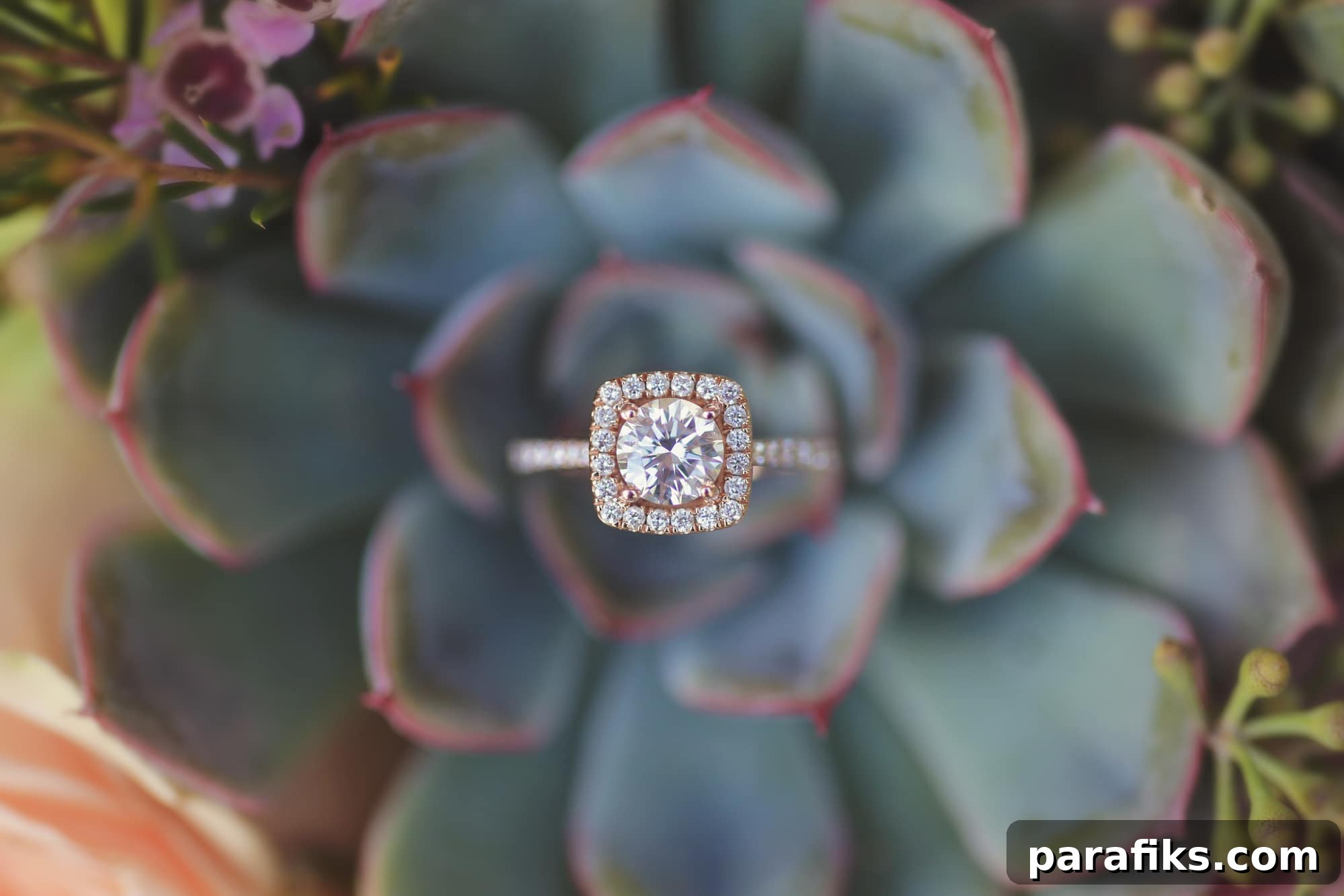
- Explore alternatives to diamonds. Moissanite and other gemstones can deliver exceptional sparkle and look, often at a fraction of the cost of a diamond. They’re a stylish, budget-friendly option.
Ultimately, the right amount to spend on an engagement ring is a personal decision that merges emotional importance with practical finances. By creating a realistic budget, saving in advance, avoiding unnecessary financing, and exploring cost-saving options, you can choose a ring that symbolizes your commitment without compromising your financial future.
What are your thoughts? How do you think someone should determine how much to spend on an engagement ring? If you’re already married or engaged, how much did you spend or what is the ring you wear?