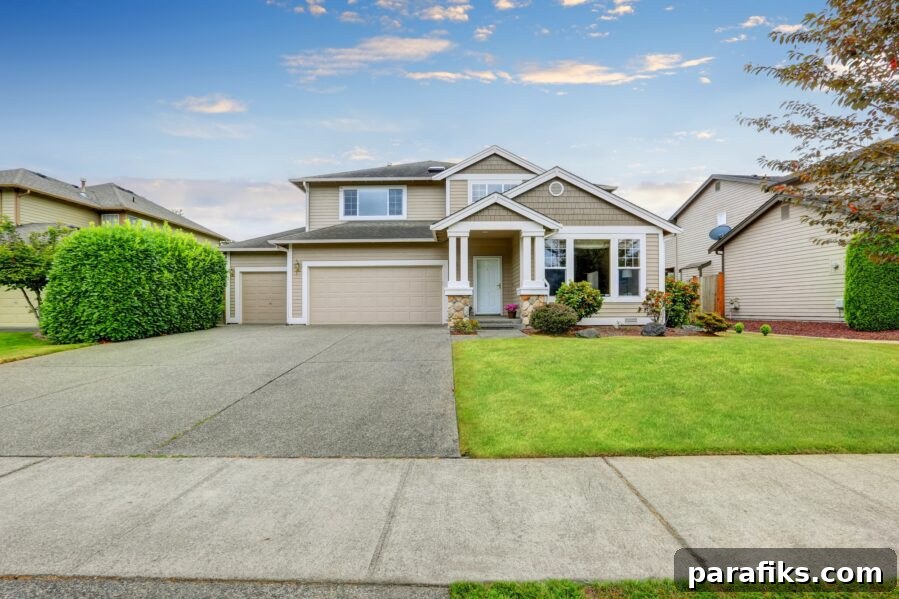
They say it’s a seller’s market right now, but in my small neighborhood it clearly felt like a buyer’s market.
That made selling our home more challenging than sellers in other parts of the United States might experience. Still, after our house sat on the market for 3.5 months and endured more than 30 showings with no offers, we finally received three contracts in a single week.
I’m not a real estate expert, but I recently completed the full home-selling process and want to share what I learned.
Selling a house can be long and stressful. My goal with this guide is to help your sale proceed more smoothly by outlining the practical steps and useful tips that helped (and sometimes frustrated) me.
Preparing your home and knowing the right sequence of tasks can make the sale quicker, reduce surprises, and help you avoid unnecessary costs. Below are the steps and tips I followed for selling our home. Good luck with your sale!
Find a real estate agent
If you plan to use an agent, find one early. A good agent can give you a realistic estimate of what your house may command, suggest improvements that could increase value or speed the sale, and explain expected timelines.
We used the same agent who helped us buy the home, and that continuity made the process much easier. If you don’t already have an agent, ask friends, family, or past clients for recommendations and interview a few to find the right fit.
Check for required city inspections
Before listing, verify whether your city requires a home inspection or other municipal approvals. In our case, we had to schedule an inspection through the city office. The appointment timetable was longer than I expected—especially if you call during busy listing seasons—so plan accordingly.
City inspections often have expiration windows, so you’ll want to ensure the certificate remains valid through the closing date. Our inspection wasn’t costly but it did require a few minor repairs before closing.
Declutter
Decluttering is one of the simplest, most effective things you can do. A cluttered home appears smaller, less clean, and less appealing to buyers.
Suggested decluttering tasks:
- Clear out basements, attics, and storage areas—these often collect unused items.
- Remove or pack away personal photos and memorabilia so buyers can imagine themselves in the space.
- Organize closets, cabinets, and spare rooms to show ample storage.
- Remove excess furniture or items that make rooms feel cramped.
Deep clean
Thorough cleaning is essential. Some sellers skip it, but it has a big impact on buyers’ impressions.
Key cleaning tasks to consider:
- Clean and, if appropriate, wax floors.
- Power wash driveways, porches, and exterior surfaces.
- Dust everything, including light fixtures and baseboards.
- Wash windows and mirrors so interiors look bright and fresh.
- Repaint walls, trim, or dated furniture if you can—fresh paint is a relatively low-cost improvement that often pays off.
- Clean inside the refrigerator—buyers sometimes look in there.
Improve curb appeal
Buyers form opinions quickly, often within minutes of seeing a house. First impressions start with exterior photos online and the home’s curb appeal in person.
To maximize curb appeal:
- Keep the lawn mowed and tidy.
- Remove any debris or trash from the front, back, and sides of the property.
- Keep gutters clean and pick up leaves or branches.
- Add landscaping touches such as potted plants or fresh flowers.
Decide whether to stage
Staged homes generally sell faster and for higher prices than unstaged homes. If you can afford professional staging, it’s worth considering. Alternatively, leaving a few well-chosen pieces of furniture in place can help buyers visualize the layout and scale of rooms.
Prepare for showings
Once your house is listed, you’ll need to accommodate showings. Buyers sometimes arrive with short notice, so try to keep the home show-ready.
It’s usually best for sellers to leave during showings—buyers feel more comfortable exploring without the owners present. Also, take pets with you or arrange care during showings to avoid disruptions.
We didn’t live in the house while it was on the market, which made last-minute showings easier to manage. If you remain in the home, plan for frequent tidying and flexible scheduling.
Review and accept offers
When offers arrive, you may negotiate price, contingencies, inspection repairs, and closing timelines. After you accept an offer, you’ll still have steps to complete before the sale is final—so keep communications clear between your agent and the buyer’s side.
Close and move out
Closing day is when final calculations are completed, loan conditions are satisfied, documents are signed, and you hand over the keys. You’ll be told what you owe or will receive, and you’ll sign the necessary paperwork.
Be ready to move out by the agreed closing date unless you’ve negotiated a post-closing occupancy agreement. Coordinate movers, utilities, and final clean-up so the transfer goes smoothly.
I hope these practical tips make your home sale easier than mine was. Our experience had delays and challenges—largely tied to local market conditions—but careful preparation, decluttering, cleaning, and timely repairs helped us get to closing without major surprises.
Have you had a difficult home sale? What tips would you share with other sellers?