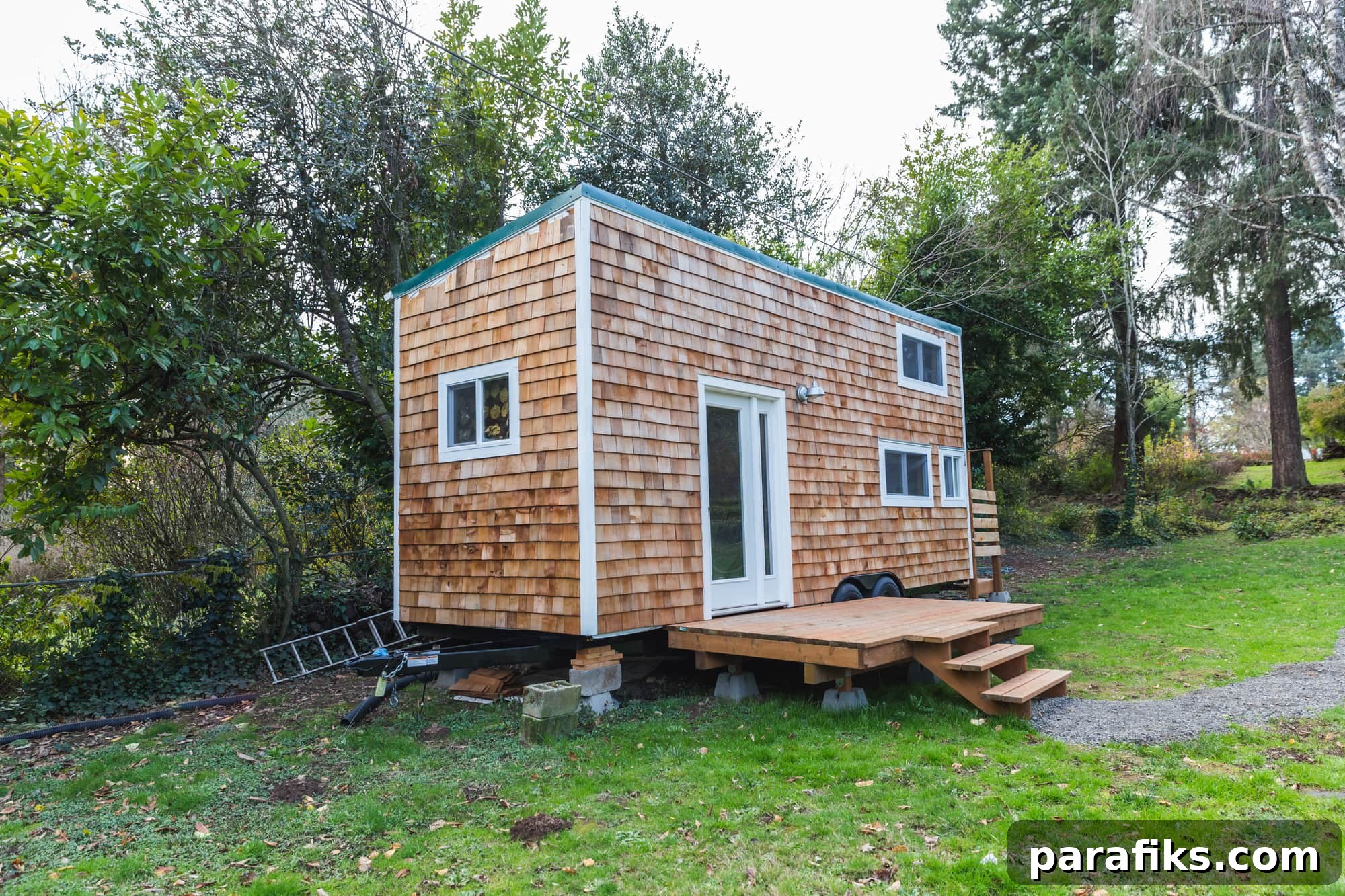
Wondering about the pros and cons of tiny houses? Thinking about living small?
Tiny homes are growing in popularity every year, and they come in many forms — RVs, vans, boats, treehouses, and small traditional houses. After years of living in compact spaces, I’ve learned a lot about what works and what doesn’t.
My first rental at 18 was extremely small (no separate bedroom and a tiny basement with a low ceiling). Since then I’ve lived in a camper van, an RV, and a sailboat. Compared with the typical new single-family home — about 2,561 square feet according to the National Association of Home Builders — those places felt very small. For some people, that smaller scale is freeing; for others, it feels limiting.
When my partner and I decided to live tiny, our main motivation was mobility: we wanted to travel while keeping our home with us. Other common motivations include lowering living costs, reducing possessions, and simplifying life. That said, tiny living isn’t always easy.
Below I outline practical pros and cons of tiny houses — from costs and logistics to lifestyle and relationships — to help you decide if tiny living is right for you.
Related content:
- Is Full-Time Traveling As Good As It Sounds?
- How to Downsize Your Home, Stress Free
- Smaller Can Be Better — Maximize Your Savings With A Small House
- How I Paid Off Debt By Living In a Van
The Pros and Cons of Tiny Houses
Pro: You may be able to save money
One major appeal of tiny houses is potential cost savings. Smaller living space often means lower construction costs, reduced energy bills, less furniture to buy, and lower maintenance and insurance expenses. If you build your tiny home yourself, you can cut costs further.
However, cost savings aren’t guaranteed. Tiny living can become expensive if you frequently pay for RV or marina stays, purchase costly land with utility hookup needs, or invest heavily in off-grid systems like solar and water wells. Consider both the upfront and ongoing expenses before deciding.
Con: Things might break more often
Mobile tiny homes such as RVs and boats often require more frequent repairs than traditional houses. Mechanical failures — flat tires, engine trouble, broken pumps, or electrical issues — can disrupt travel plans and leave you unable to stay in your home until repairs are completed.
- Breakdowns can be dangerous (for example, on the road or at sea).
- If your vehicle or vessel is in a shop, you may need to find temporary lodging and cover additional costs.
- Repairing or maintaining a mobile home can sometimes require risky work, particularly on boats.
Appliances and materials designed for mobile living are often more compact and sometimes less durable than those used in stationary houses. Being handy or having access to reliable service providers is a major advantage for tiny homeowners.
Pro: You can park your home wherever you want
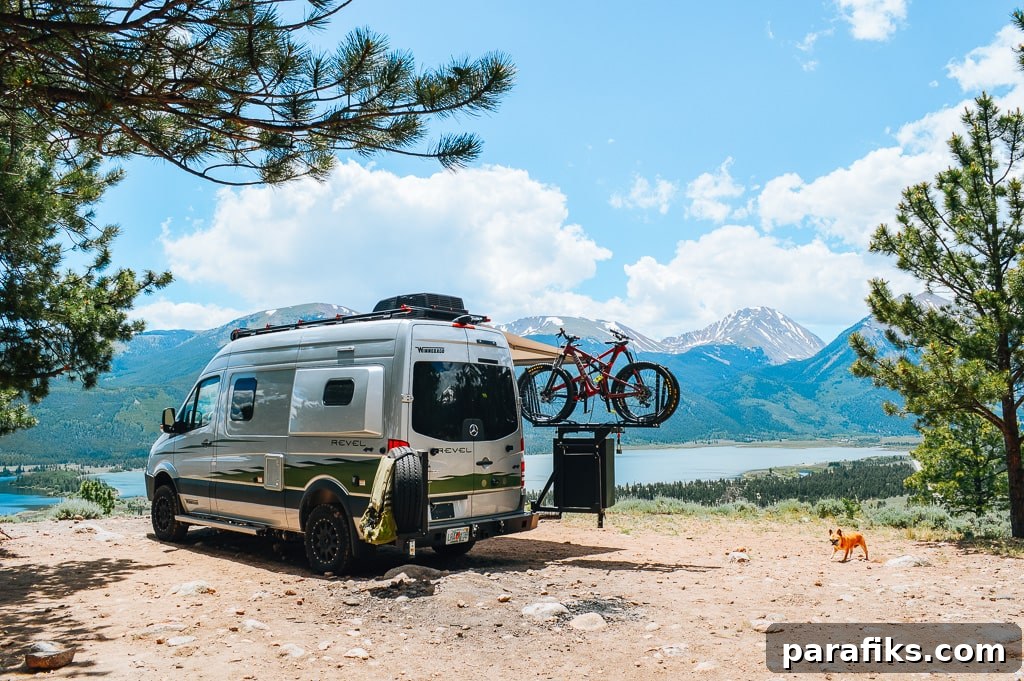
For those with mobile tiny homes, the freedom to relocate at will is a huge perk. Bringing your home on the road means you can chase good weather, visit friends and family without packing and unpacking, and explore new places while keeping the comforts of home.
The views can be spectacular: national parks, mountain ranges, coastal scenes, and wildlife right outside your window. Constantly changing locations keeps boredom away — hiking, snorkeling, sampling local food, and meeting new people become regular parts of life.
Con: You may have to use less water and electricity
Living tiny sometimes requires adapting to limited utilities. Full-time travelers in RVs or boats often carry finite water and battery power, so conservation becomes a daily practice. The average person in a conventional home might use around 100 gallons of water per day — a level that’s usually unsustainable in a mobile setup without frequent hookups.
If you live off-grid, your electricity use will depend on battery capacity and solar generation. Stationary tiny homes with utility hookups won’t face the same constraints, but location and setup matter.
Pro: You may be more environmentally friendly
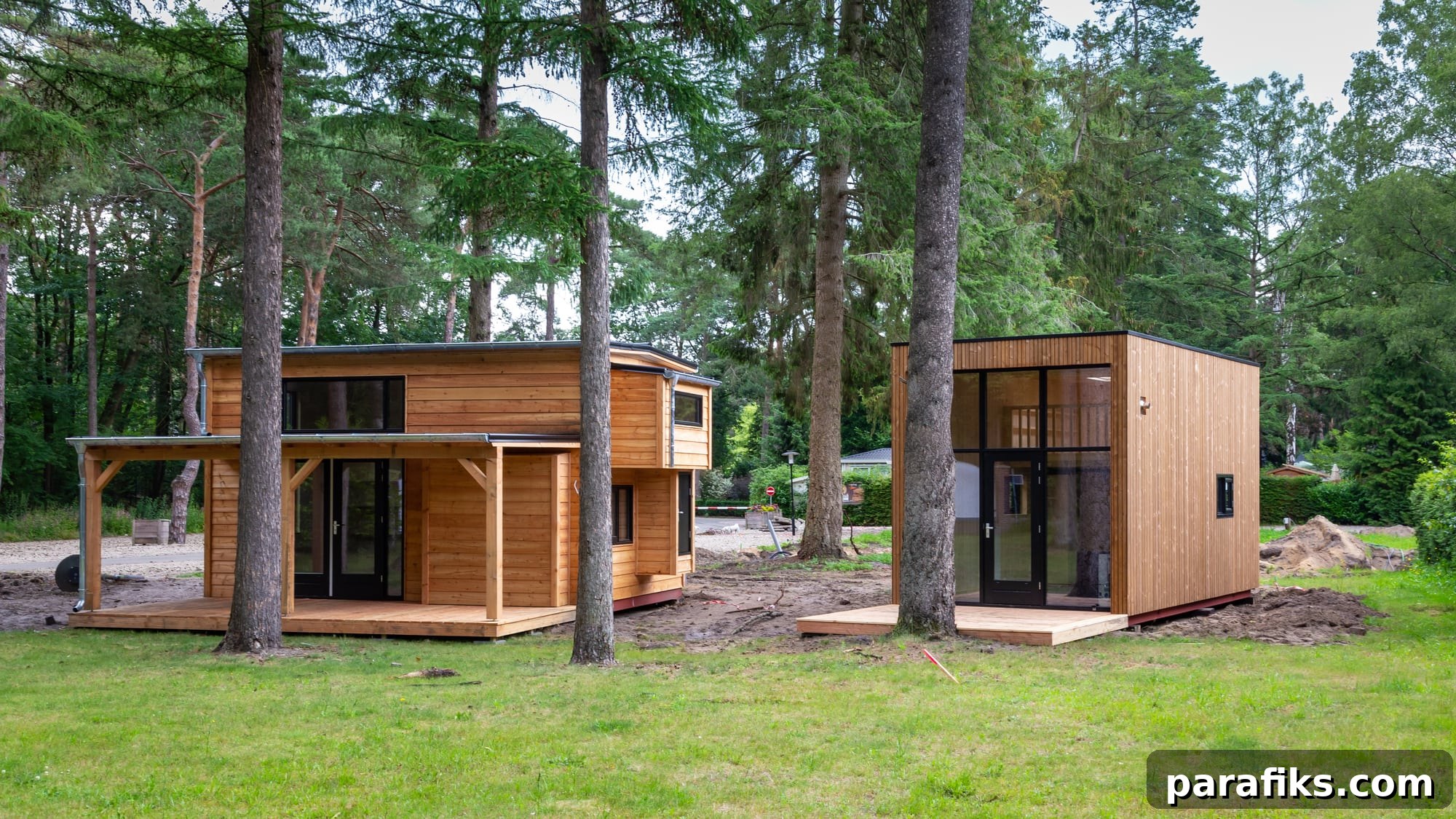
Smaller homes generally use fewer building materials and less energy and water, which can reduce your environmental footprint. Tiny living pairs naturally with sustainable choices — solar power, composting toilets, and efficient appliances — though tiny living can be less eco-friendly if choices don’t prioritize sustainability.
Con: You will have less room for your stuff
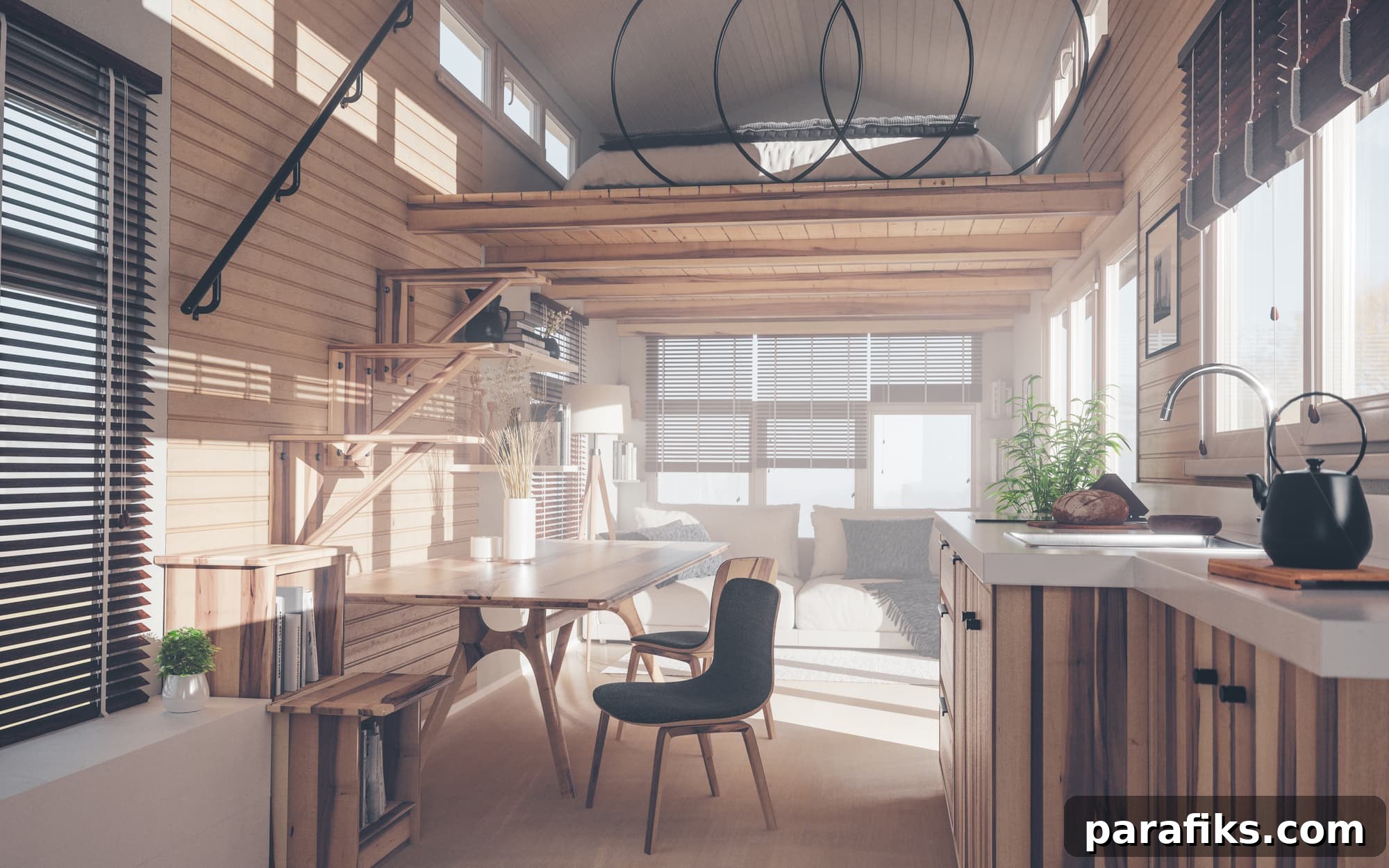
Tiny homes require deliberate downsizing. Many people benefit from this, finding freedom in fewer possessions, but it’s not for everyone. Downsizing may require storing some items off-site temporarily or permanently letting go of things you once considered essential.
- Research shows typical households accumulate many possessions; living tiny forces you to prioritize what truly matters.
- Some people rent storage units during transitions, but long-term storage can become an ongoing expense and a source of clutter.
For many, owning less leads to more mindful buying habits, reduced waste, and financial savings.
Pro: Downsizing can be extremely freeing
Eliminating excess possessions often brings surprising freedom. After selling our house and moving into an RV, we donated and discarded many items. Initially it was hard, but over time it became easier and even desirable. We now own a small, curated set of belongings and are more intentional about purchases. Downsizing can reduce waste, lower expenses, and improve focus on experiences over things.
Con: Living in tight quarters with your partner can be hard
Sharing a tiny space with a partner or family requires strong communication and intentional strategies for personal space. Conflicts can feel more intense because it’s harder to physically withdraw. Successful tiny-home relationships often depend on giving each other time apart — solo walks, errands, or occasional solo trips — and clear conflict-resolution habits.
Pro: You’ll have experiences that last a lifetime
Tiny living creates unique and memorable experiences. There are stressful moments, especially when things break or plans change, but those challenges are balanced by the joy of travel, new scenery, and spontaneous adventures. Many tiny-home residents say the highs far outweigh the lows.
Con: Financing a tiny house may be difficult
Traditional mortgage lenders treat tiny homes differently than standard houses, which can make financing a purchase challenging. Some tiny-home buyers save cash, sell a conventional house first, or seek specialty lenders. If you need a loan, research financing options early and plan accordingly.
Pros and cons of tiny houses: Are tiny houses really worth it?
Tiny living fits some people extremely well and not others. For me, the benefits — freedom to travel, lower consumption, memorable experiences, and simpler daily life — outweigh the drawbacks. I don’t expect to live tiny forever, and I recognize the downsides, but the lifestyle has delivered many positives.
If you’re considering tiny living, make a clear list of pros and cons based on your priorities: cost, mobility, required repairs, space needs, utilities, relationships, and financing. Try short-term trials where possible (renting an RV or staying on a boat) to get a realistic sense of daily life before committing.
Would you live in a tiny home? Why or why not? Which pros and cons matter most to you?
*Square-foot statistic from the National Association of Home Builders