Do you want to know where to sell crafts and handmade goods?
Maybe you enjoy knitting, candle-making, painting, or jewelry design and are wondering how to turn that hobby into a side income or even a full-time business.
If you love crafting and DIY projects, there are many ways to earn extra money by selling what you make.
Over the years I’ve spoken with many makers who sell online, at markets, and through local shops. I enjoy crafting and have tried a variety of projects, so today I’ll guide you through the best places to sell crafts and handmade goods, how each option works, and what to consider when choosing where to sell.
Where To Sell Crafts and Handmade Goods
Below are some of the top places to sell crafts and handmade goods, with the pros and cons of each option to help you decide.
Recommended reading:
- How I Made $6,161 in Just 4 Months With a New Etsy Printables Shop
- 14 Best Crafting Hobbies That Make Money
- How I’ve Made $4,000 In A Month Baking Dog Treats (With Zero Baking Experience!)
- How I Make $7,500 Monthly Selling Print-On-Demand Gifts
1. Etsy
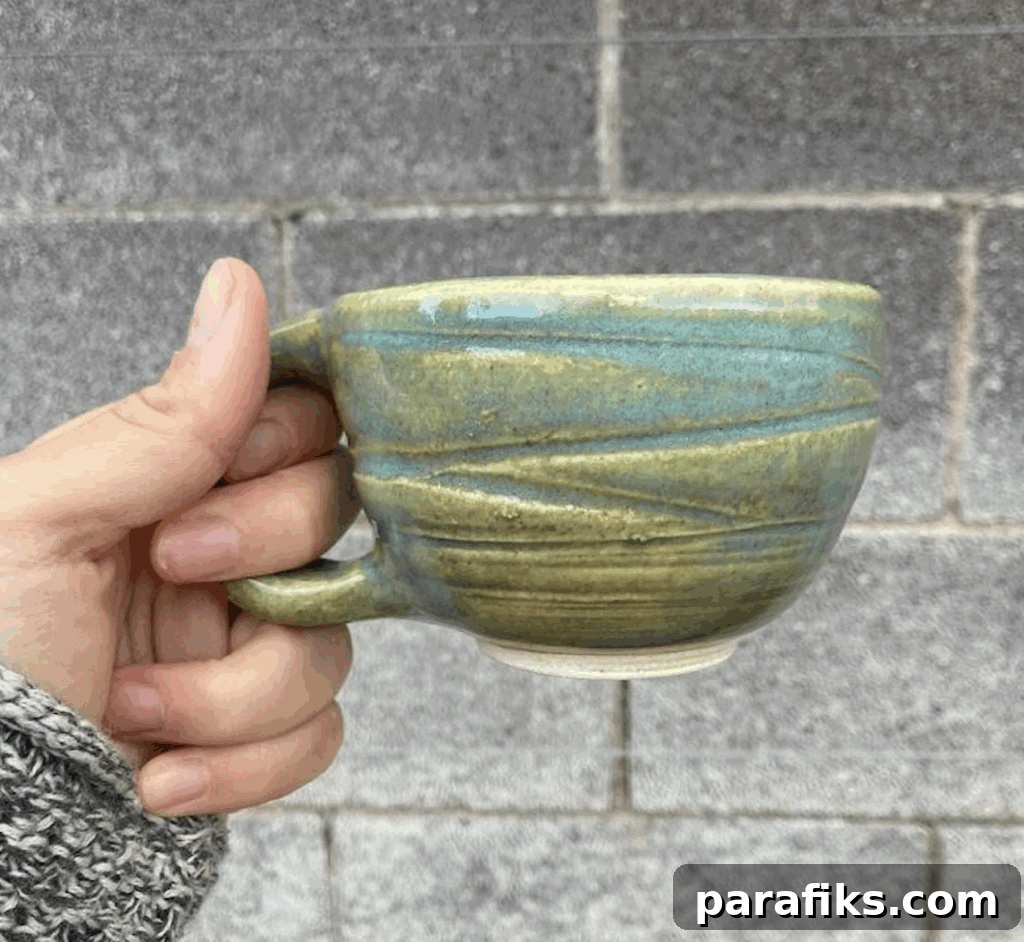
Etsy is one of the most popular marketplaces for handmade items. Shoppers come to Etsy specifically to find artisan-made goods, so it’s an excellent place to reach buyers looking for unique, handcrafted pieces.
Pros: Large built-in audience, easy shop setup, and shoppers already primed for handmade items. Cons: Listing and transaction fees, strong competition in many categories, and the need to optimize listings with good Etsy SEO to be found.
Recommended reading: 16 Best Things To Sell On Etsy To Make Money
2. Amazon Handmade
Amazon Handmade is a curated section of Amazon dedicated to handcrafted goods. It gives makers access to Amazon’s large customer base and the convenience shoppers expect from Amazon.
Pros: Access to Amazon’s millions of customers, fast and trusted shipping options, and dedicated support for handmade sellers. Cons: Selective application process, limited customization for branding, and the need to follow Amazon’s policies and standards.
3. eBay
eBay is a global marketplace for new and used items, and you can sell handmade goods or craft supplies there. It’s useful for one-of-a-kind or collectible handmade pieces, and offers both auction-style and fixed-price listings.
Pros: Millions of active buyers and a straightforward listing process. Cons: Selling fees, variable competition, and less of a reputation as a destination specifically for handmade goods compared to some niche marketplaces.
4. Shopify
Shopify is an e-commerce platform that lets you create and own your online store. You control the design, branding, product selection, and customer experience.
Pros: Full control over your storefront, built-in tools for marketing, inventory, shipping, and analytics, and integrations with social media and other sales channels. Cons: Monthly subscription costs, responsibility for driving traffic to your site, and a more involved setup process.
If you plan to scale and want to keep more of your revenue without marketplace fees, Shopify is a strong option for a dedicated online shop.
Recommended reading: How To Make $1,000+ A Month Selling Stickers Online
5. Local art and handmade stores
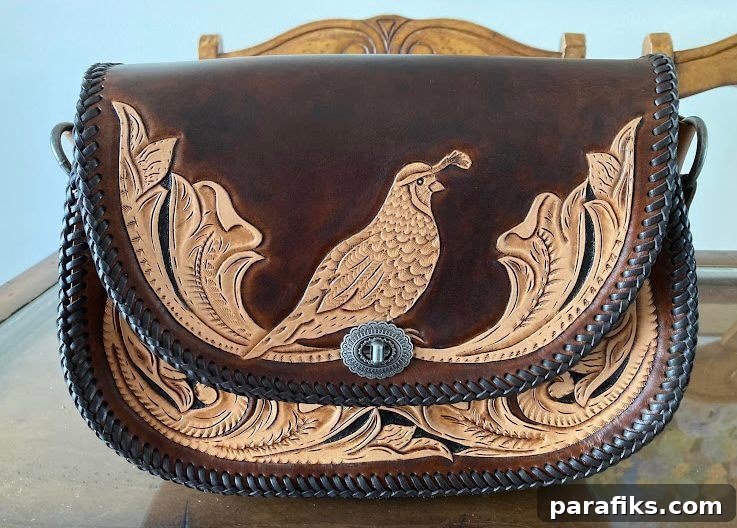
Local shops that stock handmade goods offer a physical retail presence without requiring you to open your own storefront. These shops typically sell items from multiple creators on consignment.
Pros: Immediate customer exposure in a brick-and-mortar setting and no need to staff your own shop. Cons: Profit is usually shared with the store through consignment or wholesale arrangements.
Local handmade stores often carry a wide range of items—jewelry, art, clothing, candles, books, and more—and are great for reaching shoppers who prefer to browse in person.

6. Gift shops
Gift shops, often found in malls, tourist areas, hotels, hospitals, and airports, frequently showcase locally made products. If your items fit the gifting or souvenir market, gift shops are worth exploring.
Pros: High foot traffic and casual browsers looking for gifts. Cons: Lower profit margins due to consignment pricing or wholesale discounts.
7. Coffee shops
Independent coffee shops often support local artists by displaying and selling small handmade items like prints, jewelry, candles, and cards. These venues attract quick foot traffic and community-minded customers.
Pros: Great for lower-priced items and impulse purchases, with frequent customer turnover. Cons: Typically limited display space and the need to rotate stock regularly.
8. Craft fairs and art fairs
Craft and art fairs let you sell in person and meet customers face-to-face. Large fairs can draw tens of thousands of visitors, while smaller local events attract neighborhood buyers, especially around holidays.
Pros: Direct customer interaction, immediate payment, and valuable feedback. Cons: Travel, setup time, booth fees, and weather or location affecting sales.
9. Farmers markets and flea markets
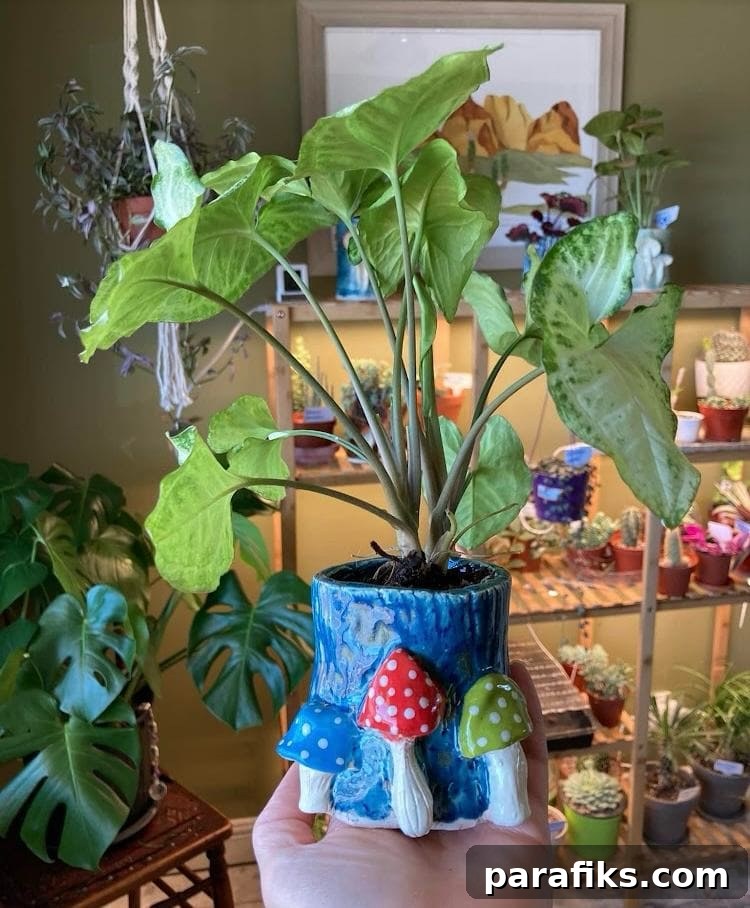
Farmers markets and flea markets are community-centered events ideal for local makers. They attract regular visitors looking for fresh, handmade, or unique goods.
Pros: Generally easy to secure a booth and good local customer traffic. Cons: Setup and teardown time, and sales can be weather-dependent.
10. Cratejoy
Cratejoy is an e-commerce platform built for subscription boxes. If you can create recurring, themed boxes—containing items like soaps, stationery, jewelry, or small crafts—this platform helps manage recurring billing and shipping.
Pros: Built-in audience for subscription boxes and recurring revenue that can stabilize monthly income. Cons: Ongoing production demands, platform fees, and shipping costs.
11. Social media
Platforms like Instagram and TikTok are powerful tools for selling handmade items. You can link to your shop, take direct orders, or use platform features to showcase your process and build an audience.
Pros: Low cost to start, direct engagement with buyers, and strong potential for viral exposure. Cons: Requires time and consistent content, reliance on platform algorithms, and managing messages and orders.
12. Pop-up shop
Pop-up shops are temporary retail spaces inside boutiques, markets, or event venues. They let you test a physical location without a long-term lease.
Pros: Full control of a temporary storefront and the opportunity to validate demand for a permanent shop. Cons: Higher costs for short-term space, significant setup effort, and the work required to promote the pop-up.
Frequently Asked Questions
Below are answers to common questions about selling crafts and handmade goods.
Where is the best place to sell your crafts?
The best place depends on your goals and how much time you can commit. For quick setup and an existing audience, Etsy is a great start. If you want full control and branding, Shopify is better. If you enjoy direct customer interaction, farmers markets or craft fairs may be ideal. Many makers use a mix of online and in-person selling to reach more customers.
What is the best-selling platform for crafts?
It depends on your target customers and sales strategy. Etsy is excellent for reaching a global audience seeking handmade items, while local shops and markets serve buyers who prefer in-person purchases. Evaluate fees, audience, and how much control you want when choosing a platform.
What are the best places to sell handmade jewelry?
Etsy is a consistent choice for handmade jewelry because shoppers expect unique artisan pieces there. Social media can also be effective for showcasing process videos and building a loyal following. Local boutiques, craft fairs, and gift shops are good for in-person sales.
Where to sell handmade items locally?
Best local options include craft fairs, art markets, farmers markets, coffee shops, and gift shops. These outlets let you connect directly with your community and sell without the overhead of an online shop.
What is the most profitable craft to sell?
Some of the most profitable crafts include handmade jewelry, home decor, candles and soaps, and digital products like printables. Time-intensive crafts with costly materials can be profitable if you price them to reflect labor and materials, but consider products that balance effort, cost, and demand.
Is there a better alternative to Etsy?
Alternatives include Shopify, Amazon Handmade, and Facebook Marketplace. Some creators move away from Etsy due to rising fees and competition, but Etsy still attracts many buyers looking specifically for handmade items. The right platform depends on your priorities—reach, fees, control, and how you want to present your brand.
Best Places To Sell Crafts and Handmade Goods – Summary
I hope this guide helped you explore where to sell crafts and handmade goods. I’m a big fan of handmade items and have purchased from many of the venues listed here.
There’s no single best option—each seller’s situation is different. Choose platforms and venues that match your goals, whether you want quick sales, full control over branding, or direct community interaction. Many makers combine online shops, social media, and local events to diversify income and find what works best.
Are you interested in selling crafts and handmade goods?
Recommended reading:
- How I Make $400,000 Per Year Selling Educational Printables
- 21 Best Side Hustles for Moms