 The following is a sponsored partnership with JoinSavvy.com.
Since we sold our Jeep a few months ago, we’ve been biking and walking almost everywhere. It’s been refreshing, but it also means we order more items online because trips to the store and carrying purchases home aren’t practical—especially while outfitting a boat and preparing to set off. In short: we’re ordering a lot of things.
Even though I’m experienced with online shopping, I’m always hunting for ways to cut costs. Nobody likes wasting money, and small savings add up quickly.
If you shop online frequently, the strategies below should be useful. They’re practical, easy to adopt, and focused on reducing what you spend while still getting what you need.
Here are my tips on how to save on online shopping.
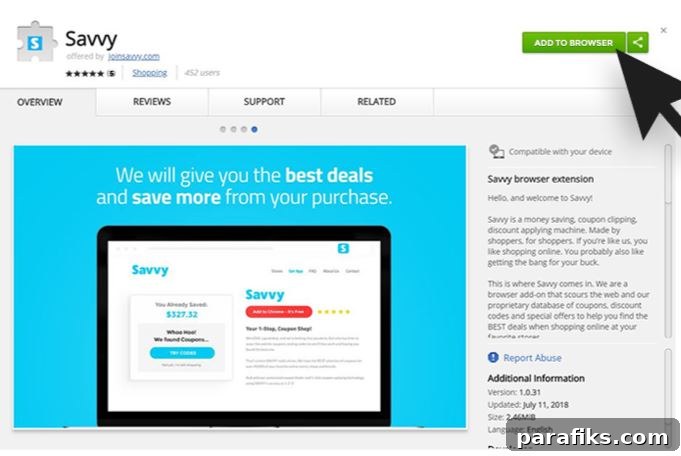
Use a money-saving browser extension.
Browser extensions that automatically find and apply coupon codes and cash-back offers can save time and money. One example is Savvy, a free extension that automatically applies the best coupon at checkout for you. For people who forget to check for promo codes, this removes the step entirely.
Installation is typically one click, after which you shop as usual. At checkout, the extension tests available coupons and applies the best one, so you don’t have to search manually. Some extensions also enable cash-back rewards on select stores, allowing you to earn a small percentage back on qualifying purchases.
Using an automatic coupon and cash-back tool is a simple way to add consistent savings without changing your habits.
Use a separate email address for shopping.
Create a dedicated email account for retail sign-ups, newsletters, and promotional offers. This keeps shopping-related messages separate from personal and work email and offers several benefits:
- You keep sale notices and promotional clutter out of your main inbox.
- If promotional emails tempt you to buy more, you can simply ignore or check that inbox less frequently.
- You limit exposure of your primary email address when making purchases or creating retail accounts.
If you don’t want to miss good deals but don’t want your main inbox filled with offers, a separate shopping email is a simple, effective compromise.
Wait before you buy.
One effective habit is to add items to your cart and then wait a few days before completing the purchase. I often consolidate multiple items into a single order to reduce packaging and shipping, but beyond that, stepping away helps you reassess whether you still want or need each item.
When I revisit the cart after some time, I frequently remove items I no longer need, find better alternatives, or discover sales elsewhere. This delay reduces impulse buying and often lowers the total spent.
Building a short waiting period into your shopping routine is a small change that can produce steady savings over time.
Additional practical tips
- Compare prices across retailers and check if the retailer offers price-matching or price-adjustment policies for items that go on sale shortly after purchase.
- Check shipping thresholds to combine purchases and qualify for free shipping when possible.
- Sign up for loyalty programs at stores you use regularly—points and member discounts can add up.
- Read return policies before buying so you can return items easily if you change your mind.
Saving money while shopping online doesn’t require major effort—small habits like using coupon tools, separating shopping communications, and waiting before buying can make a measurable difference.
What do you do to save on online shopping?