
What is Financial Independence, Retire Early?
Have you heard about the FIRE movement and wondered what it really means?
Early retirement has gained wide attention in recent years, especially across personal finance blogs. Many people are curious, confused, or skeptical about whether early retirement is attainable for ordinary people.
Before I started my personal finance blog, I hadn’t heard the terms “financial independence” or “early retirement.” I assumed early retirement was only for the extremely wealthy. Since then I’ve met many travelers and full-time nomads who have reached financial independence or early retirement, and I’ve read countless stories that show how people create alternatives to the standard 40-year career path.
Reading about the FIRE movement is inspiring. Those stories show people who took control of their finances, stepped outside conventional expectations, and crafted lives centered on freedom and choice.
If you’re curious about what financial independence and early retirement involve, this article explains the basics and addresses common questions to help you decide if this approach might fit your goals.
For many, retirement is something that happens after decades in a full-time job. Yet not everyone can save enough to comfortably reach a traditional retirement age, and defined benefit pensions are increasingly rare. That makes building your own retirement savings more important than ever.
Early retirement and financial independence give you options: to travel, to pursue projects, to spend more time with loved ones, or to keep working on your own terms. Retiring early doesn’t mean quitting work forever — it means choosing how to spend your time.
Early retirement can happen at any age. It doesn’t require retiring in your 30s; if you retire at 60 with financial freedom, that’s still earlier than many people. The essential goal is to reduce dependence on debt and living paycheck to paycheck.
Even if you love your job, planning for financial independence is worthwhile. I personally have saved enough to stop working if I wanted to. My higher income made saving easier, but the real benefit is freedom and resilience if the future brings unexpected changes — health issues, shifting priorities, or global upheaval.
FIRE is not a one-size-fits-all solution. The movement includes privilege and trade-offs that deserve recognition. Some practitioners pursue extreme frugality, while others aim for more moderate adjustments. Personal finance is personal, and multiple paths can lead to a financially independent life.
Below I cover frequent questions about the FIRE movement. If you have more questions, leave a comment and I’ll respond.
What is Financial Independence, Retire Early?
What is the FIRE movement?
FIRE stands for Financial Independence, Retire Early. It can mean different things to different people, but the core idea is to build enough savings and passive income to cover living expenses so you can choose whether or not to work.
What does financial independence mean?
Financial independence varies by person. For some it means being debt-free; for others it means having a specific nest egg large enough to support retirement. A practical definition is earning enough income from investments, rentals, or other passive sources to cover monthly expenses without relying on a traditional job.
What does early retirement mean?
Early retirement can mean never returning to paid employment, or it can mean stepping away from full-time work while continuing to pursue meaningful or part-time work. The common theme is freedom from needing a specific job to make ends meet.
Is it a good idea to pursue FIRE?
Learning to save for retirement is always a smart move, but aggressive early retirement isn’t right for everyone. Achieving FIRE often requires significant sacrifices — extreme frugality, long hours, or both — which can take an emotional toll. Whether it’s right for you depends on your goals, values, and the trade-offs you’re willing to make.
Common reasons people pursue FIRE include:
- To pursue a passion they can’t while holding a full-time job
- To have more time for health and fitness
- To spend more time with family and friends
- To gain freedom and control over how they spend their time
- To travel more
- To prepare for an uncertain future
How much do you need to retire early?
The amount needed depends on your lifestyle and long-term plans. Planning requires detailed budgeting that anticipates housing, food, transportation, health insurance, medical costs, travel, passion projects, childcare, and potential long-term care, among other expenses. Early retirees also plan for emergencies and future uncertainties.
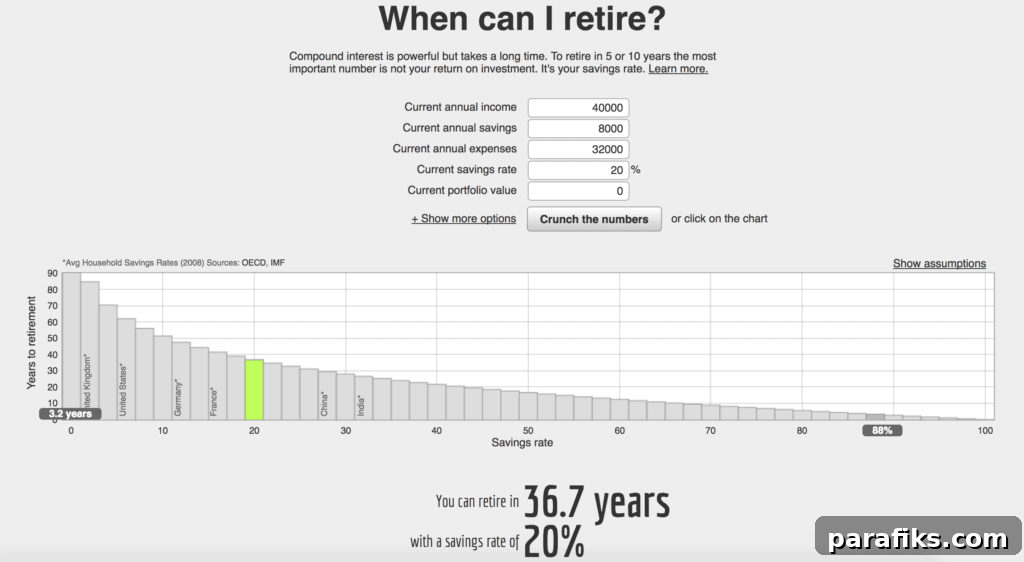
Saving rate matters: higher saving rates typically lead to earlier retirement. For example, very roughly, a 1% savings rate might take nearly a lifetime to reach retirement, while a 50% savings rate could shorten that timeframe dramatically. Knowing your expenses and tracking savings progress makes a big difference.
How can $1,000,000 last 30 years or more in early retirement?
Many doubt that sums like $1–5 million can support early retirement, but the key is how money is invested. Early retirees typically invest their assets to generate returns, dividends, and passive income while diversifying to manage risk. Some also rely on income streams like rental properties, online businesses, or royalties to cover expenses, letting their investment principal continue to grow.
Compound interest accelerates growth over time. For example, a $1,000,000 portfolio earning a 7% annual return could grow substantially in five years without additional contributions. Over decades, reinvested returns can significantly expand a retirement nest egg.
Compound interest means your interest earns interest. Small, consistent contributions early on combined with time and reasonable returns create exponential growth that makes long-term planning effective.
What would I do with my free time after retiring early?
Concerns about boredom are common, but many early retirees lead active, fulfilling lives. With more time, people travel, volunteer, pursue hobbies, learn new skills, work on passion projects, or spend time with family. Some continue to work part-time or start new ventures. Early retirement gives the freedom to choose how to spend time rather than being tied to a full-time job.
What is the 25x rule?
The Rule of 25 is a simple guideline used by many in the FIRE community: aim for a net worth equal to 25 times your annual expenses. For example, if you spend $50,000 per year, a target of $1,250,000 might be used. Some people prefer higher multiples like 30x for added safety.
What are fat FIRE and lean FIRE?
FIRE has variants based on desired lifestyle. Fat FIRE targets a comfortable, higher-budget retirement (often over $100,000 per year). Lean FIRE targets a more frugal retirement with much lower annual spending, sometimes around $20,000. Barista FIRE refers to maintaining a part-time job to cover benefits like health insurance while keeping expenses low. There’s no single correct path.
What tools help track FIRE progress?
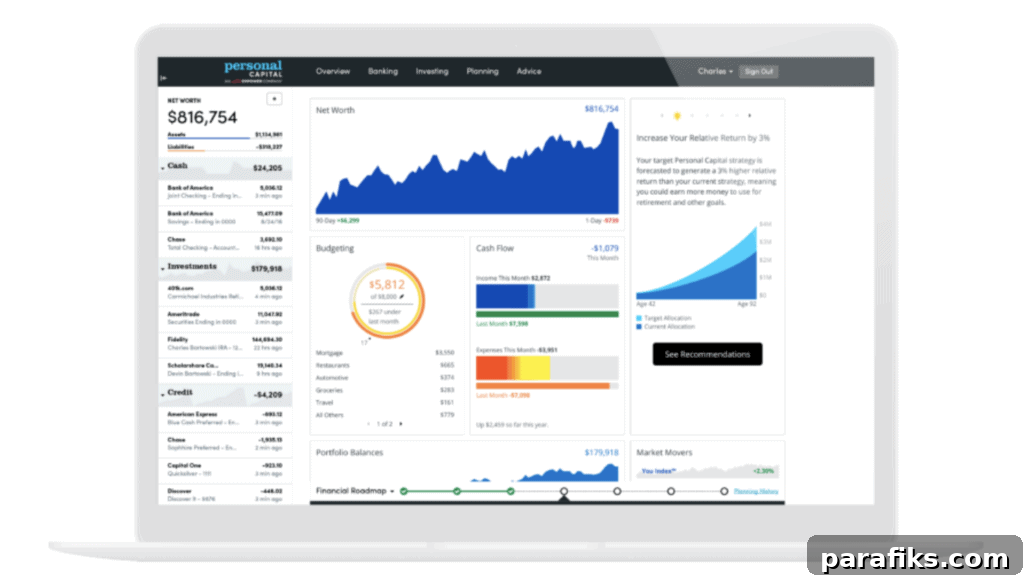
Tools that consolidate accounts and track investments can be helpful. They let you monitor portfolio performance, asset allocation, and project retirement readiness. Many planners and calculators can test scenarios to see how saving rates and returns affect your timeline.
What books can teach me about FIRE?
Books are a great way to learn the principles and practical strategies of FIRE. Recommended titles often include works that cover frugality, investing, and designing a life with more freedom. These books provide ideas for saving, investing, and planning so you can determine which approach fits your goals.
- Work Optional: Retire Early the Non-Penny-Pinching Way
- Your Money Or Your Life
- Quit Like A Millionaire
- The Simple Path To Wealth
- The Millionaire Next Door
- The 4-Hour Workweek
- Choose FI: Your Blueprint to Financial Independence
Where can I read early retirement stories?
Firsthand accounts and interviews with people who achieved financial independence can be motivating and instructive. Reading how others structured their savings, investments, and lifestyle choices makes the possibilities more tangible.
- How This Couple Retired at 38 and 41: Interview With OurNextLife
- How I Retired In My 30s – From Ugly Crying To Retiring Just 10 Years Later
- How This 28 Year Old Retired With $2.25 Million
- How This Couple Retired In Their 30s and Now Travel Around The World
- How Elizabeth Reached Financial Independence by 32 And Moved To A Homestead
- How This 34 Year Old Owns 7 Rental Homes
What happens to retirement accounts if you retire early?
Most retirement accounts impose penalties for withdrawals before age 59½. Early retirees typically leave those accounts invested until penalty-free withdrawal is allowed, and they plan savings to bridge the gap. Rules vary by account type, and some accounts still accept contributions depending on your situation.
Can only high earners reach FIRE?
Higher incomes make saving easier, but you don’t need a six-figure salary to pursue FIRE. Increasing income through side jobs, strict budgeting, and disciplined saving can help lower earners make progress. It may require more effort, but it’s not impossible.
Are there common rules in the FIRE community?
There are no formal rules, but many people adopt consistent habits that accelerate saving and reduce expenses, such as:
- Buying used cars
- Lowering housing costs
- Using rewards to offset travel costs
- Avoiding costly subscriptions and plans
- Adopting a minimalist mindset
- Always spending less than you earn
- Building multiple income streams
- Using tax-advantaged accounts like IRAs, HSAs, and 401(k)s
How can I pursue financial independence and early retirement?
Start by clarifying why FIRE matters to you; motivation helps sustain long-term discipline. Most people accelerate progress by spending less than they earn and increasing savings aggressively. Strategies include building passive income, house hacking, maximizing retirement contributions and employer benefits, driving cheaper vehicles, and cutting discretionary expenses.
Helpful reading and case studies on dividend investing, value investing, passive income ideas, and real estate investing can provide actionable approaches for different goals and risk tolerances.
Conclusion — What is Financial Independence, Retire Early?
Financial independence and the option to retire early offer freedom and choice. Reaching FIRE requires dedication and personal trade-offs, but many of its core principles — living below your means, budgeting, and avoiding unnecessary debt — are broadly useful even if your goal is a traditional retirement.
Are you interested in the FIRE movement? Why or why not?