Did you know there are many excellent places to camp for free? If you’re looking for ways to save money, free camping is a fantastic option that lets you explore new places without spending much on lodging.
Camping costs can vary dramatically. You’ll find beautiful no-cost spots across the United States, while some private campgrounds and resorts charge $150–$200+ per night. Even simple tent sites in popular areas can top $30 per night. As camping grows in popularity, developed campgrounds are getting busier and pricier. Fortunately, plenty of free campsites offer stunning views and solitude—sometimes you won’t have a neighbor for miles.
Many people don’t realize you can have an unforgettable vacation without paying nightly campground fees. Free camping often means more space, quiet natural settings, and easy access to trails. If you don’t need full campground amenities, a free campsite may be exactly what you want. And who doesn’t love getting something free?
If you’re searching for “campgrounds near me,” this guide will help you find free options and plan a safe, enjoyable stay.
How to find free camping spots
What is free camping?
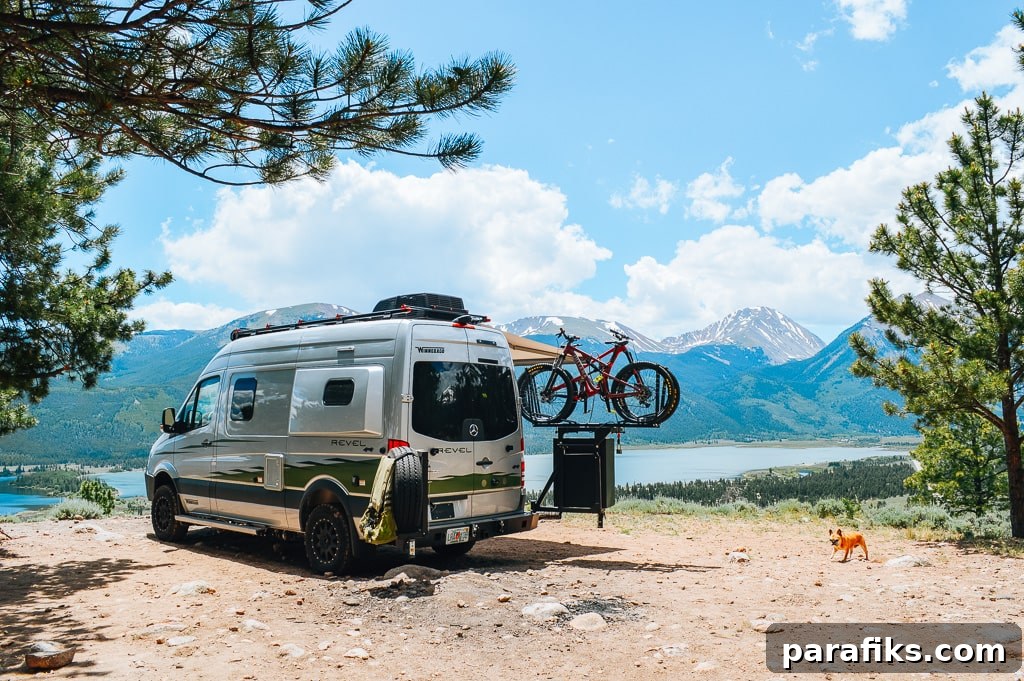
Free camping goes by many names: boondocking, dispersed camping, primitive or backcountry camping, dry camping, and wild camping. These terms overlap but generally describe camping with no hookups or developed facilities. Free camping can be done in an RV, campervan, tent, car, or any suitable vehicle. Such spots exist across the U.S., both for tent campers and RV travelers.
Before you go: key things to know
Before you head out to free campsites, understand a few important points about dispersed camping:
- Know the rules: Many public lands limit how long you may stay in one site (commonly 14 days). Follow local regulations, respect closures, and practice Leave No Trace. As a courtesy, consider picking up extra trash when you leave.
- Amenities: Free sites rarely have hookups for electricity, sewer, or water. Bathrooms and picnic tables are uncommon, though occasionally present. Expect undeveloped settings.
- Space and maneuverability: Large RVs need to consider road conditions and turn radiuses. Some access roads are rough, narrow, or muddy; vehicles can get stuck.
- Cell service: Many dispersed sites have limited or no cell coverage. If you need reliable service for work or safety, research ahead of time.
- Ask questions: For Bureau of Land Management (BLM) or Forest Service areas, call the local office or stop by ranger stations to confirm rules, vehicle size limits, fire regulations, and water availability.
Types of free camping in the U.S.:
- Public land camping: BLM areas, national forests, and other public lands often allow recreational camping for free. These locations are ideal for both tent and RV campers and often offer scenic, less crowded experiences.
- Parking lot camping: Short overnight stops at places like Walmart, truck stops, or casinos can be useful for travel breaks. Always get permission—call and ask a manager, and consider making a small purchase as a courtesy.
- Free camping at wineries and farms: Some wineries and farms permit overnight RV parking through membership programs or by arrangement. These opportunities vary and often require a self-contained vehicle with onboard bathroom facilities.
Look online for free camping
Several websites and apps make finding free campsites much easier. Popular resources include Campendium, AllStays, and FreeCampsites.net. These sites list dispersed sites, parking options, and user reviews—handy for planning your next stop.
How to use each resource:
- Campendium: Use the “Free Camping” section and select a state to view free sites. Results can be sorted by rating, camping type, and nearby recreational options. Listings typically include road type, maximum stay, whether RVs and tents are allowed, and mobile carrier coverage.
- AllStays: In the Camping section, choose a state and use “Map Filters” to display free options like public lands, Walmarts, truck stops, and casinos. Click map markers to see which sites are free and read basic details.
- FreeCampsites.net: This site uses an interactive map—zoom to your target area to reveal icons for nearby free sites. Each listing includes location, ratings, activities, notes, and reviews from past visitors.
Other helpful apps and sites
Additional tools like The Dyrt and iOverlander are useful for finding dispersed campsites and public land options. Some apps offer offline maps for a subscription fee, which is valuable when cell coverage is unavailable.
Workamping for free sites
Workamping is a great way to earn free camping in exchange for services. Campground or park hosts may receive a free campsite—sometimes paid work and sometimes purely bartered in exchange for duties like cleaning, maintenance, office work, or social media. Opportunities can be found by contacting campgrounds directly, joining RV-focused Facebook groups, checking KOA’s workamping listings, or checking bulletin boards at campgrounds. Many retirees and full-time travelers fund their adventures this way.
Common questions about free camping
Can Google Maps show campgrounds?
Google Maps can display some campgrounds, but it often misses dispersed and free campsites. Use Google Maps satellite view to check access roads, site layouts, and terrain, but rely on dedicated camping apps for comprehensive free site listings and user reviews.
What should I consider when free camping?
Key factors to plan for:
- Weather: Heavy rain can make access roads impassable and damage soft roads. Avoid areas likely to become muddy if you can’t safely get in and out.
- Vehicle capability: Some routes require higher clearance or four-wheel drive. Watch for low overhangs and narrow passages.
- Fire rules: Wildfire risk can restrict campfires or the transport of firewood—always follow local fire regulations.
- Water availability: Confirm where to fill potable water; some spigots are for non-potable uses like sewer flushing.
- Tent site suitability: If you’re tent camping, ensure there’s appropriate level ground.
- Trash and sanitation: Plan where to dispose of trash and how to dump grey/black tanks if needed.
- Cell service and work needs: Some free sites lack reliable service—plan accordingly if you need coverage for remote work.
- Size constraints: Ensure your RV fits the site and access road conditions are manageable.
What if a free campsite isn’t what I expected?
It happens. Common issues include overcrowding, road damage, or an unattractive site. Always have a backup plan—nearby RV parks, big-box parking lots, or an alternate dispersed site. Arrive during daylight so you can evaluate options calmly rather than searching in the dark. A simple rule: avoid finding new campsites at night when possible.
Can you camp on the beach?
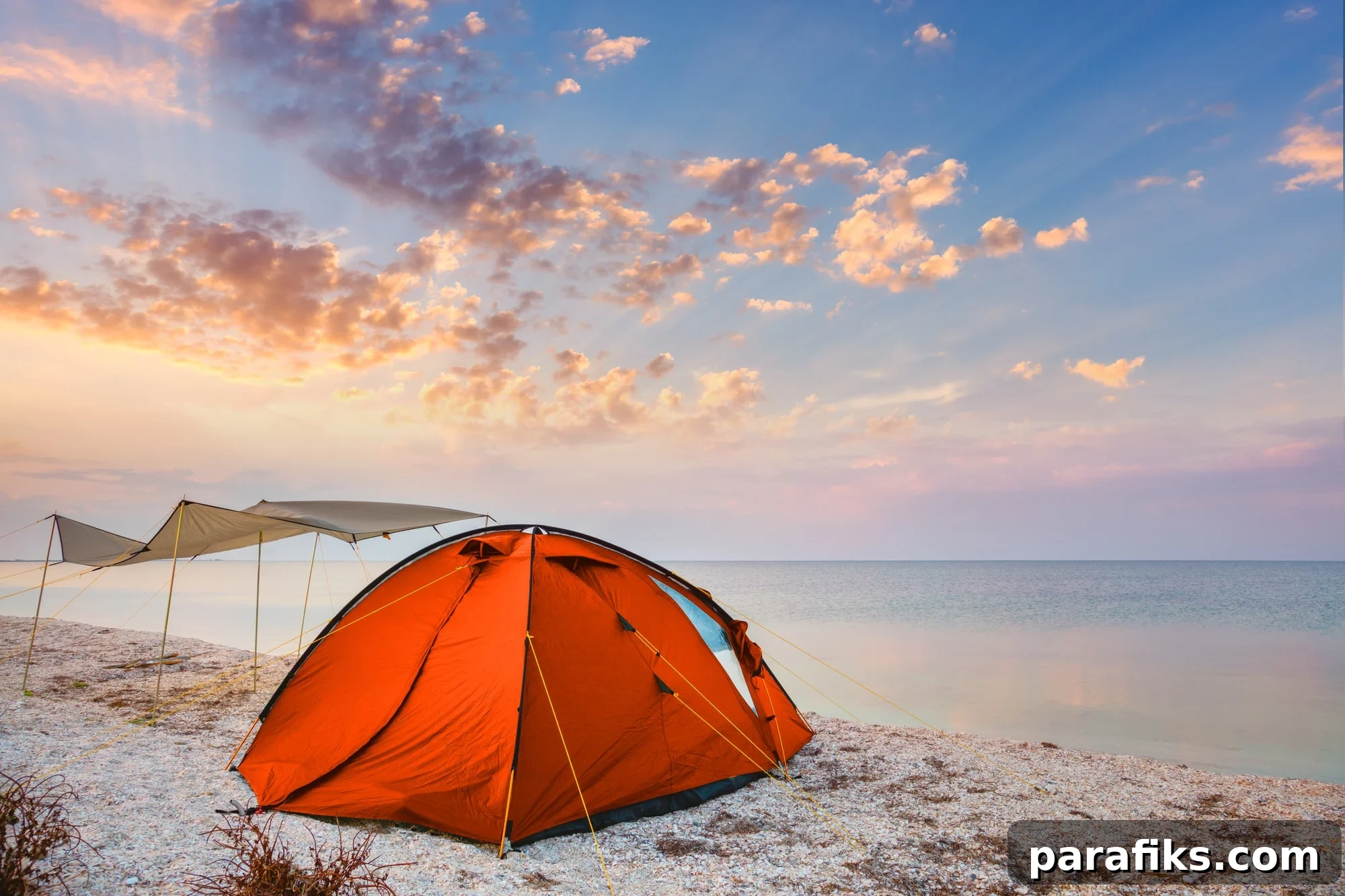
Some beaches permit camping or overnight RV parking; permissions vary by location. Always check local rules before setting up on a beach.
Can you camp anywhere?
No—you can’t set up camp anywhere you like. However, public lands and certain private arrangements provide many free camping choices, particularly in the western U.S., where BLM lands are abundant. The East Coast generally has fewer free public options, and places like Florida can be more challenging due to population density and limited public land.
Final tips for finding free camping
Free camping can lead to some of the most memorable, scenic, and peaceful stays you’ll experience. Use apps and websites to research sites and read reviews, call ranger stations with questions, consider workamping as an option, and always follow Leave No Trace principles. Bring a backup plan, arrive early, and check weather and road conditions before heading out.
If you have questions about finding free camping near your planned route, ask and I’ll do my best to help. Enjoy your trip—and I hope you find the perfect free campsite for your next adventure!
Are you interested in free camping? Where is your next trip?