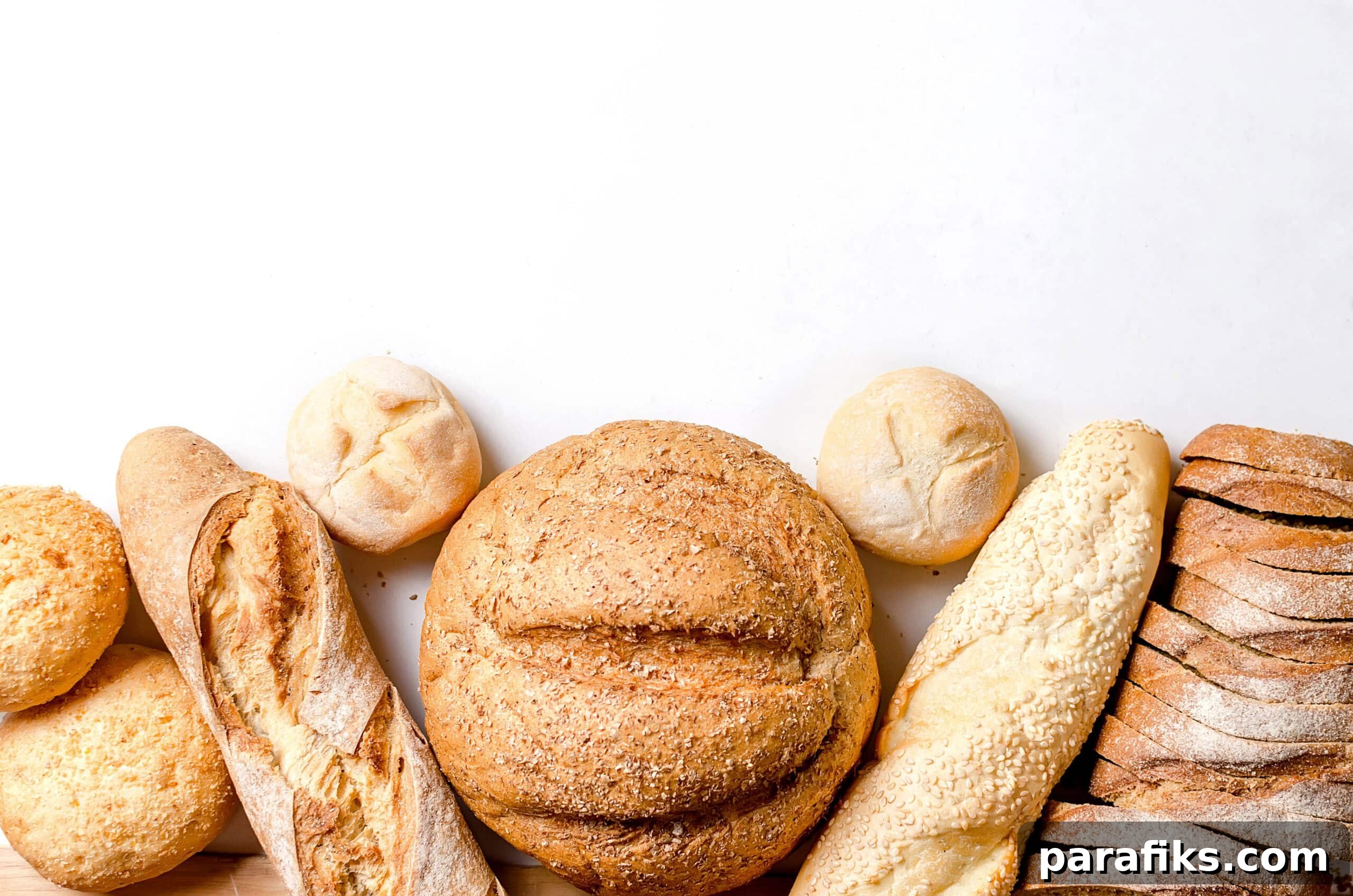
Are you searching for the best places to sell baked goods? If you enjoy baking bread, desserts, and other tasty treats, turning your passion into a side hustle—or a full-time business—could be a great move.
Homemade baked goods have a special appeal. Whether sold at a farmers market, featured in a local café, promoted through community groups, or shared on social media, they stand out for their quality and personality. If you love spending time in the kitchen and want to earn extra income doing what you enjoy, this guide outlines the best places to sell baked goods and practical tips to help you succeed.
Where To Sell Baked Goods
Below are the top venues and platforms to sell baked goods, with useful tips for each option so you can choose what fits your goals and budget.
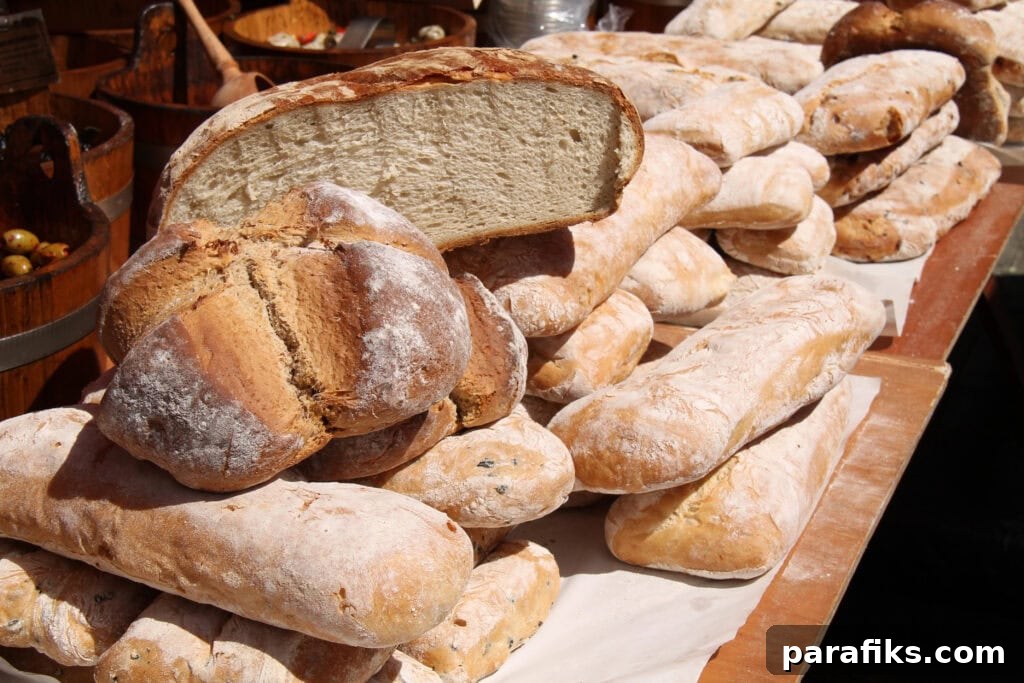
1. Farmers markets
Farmers markets are an excellent place to start selling baked goods. Shoppers at these markets value handmade, high-quality food and are often eager to support local sellers. Markets also give you the chance to interact directly with customers, gather feedback, and build repeat business.
Simple, attractive displays, clear labeling, and offering samples can boost sales. Many regular market shoppers come back for their favorite loaves, pastries, or cookies, making this a dependable way to grow a local following.
Tips for selling at farmers markets:
- Offer free samples to attract attention.
- Clearly display prices and product names.
- Label items with dietary info (vegan, gluten-free, nut-free, etc.).
2. Local Facebook groups
Local Facebook groups are a low-cost, low-barrier way to sell baked goods, especially when you’re just starting. You can post photos, share order details, and connect with neighbors without a website or storefront.
High-quality photos and clear information about ingredients, pricing, order deadlines, and pickup or delivery options will help your posts perform well. Be sure to follow group rules and engage quickly with inquiries to build trust.
Tips for selling on Facebook:
- Use clear, well-lit images of your products.
- Include allergen information, prices, and ordering instructions.
- Respond promptly to messages and comments.
- Respect group rules and avoid spamming.
- Specify delivery or pickup options if available.
3. Your own website
A dedicated website helps you present a professional image, showcase your menu and story, and accept orders around the clock. A site can include a photo gallery, an FAQ about ingredients and shipping, and customer reviews that build credibility.
Make ordering straightforward and secure. Clear photos, detailed descriptions with allergen info, and an easy contact method will improve customer confidence and conversion.
Tips for selling on your website:
- Include high-quality photos for every product.
- Make ordering simple with clear payment and pickup/delivery options.
- Provide contact info and a FAQ section.
- List allergens and customization options.
- Show customer reviews and seasonal specials.
4. Pet stores (for baked dog treats)
If you enjoy baking for pets, dog treats are a profitable niche. Pet owners often prefer premium, handmade treats over mass-produced options, and small retailers welcome unique local products.
You can approach pet shops with samples and offer wholesale or consignment arrangements. Focus on quality ingredients and clear labeling to stand out—organic, limited-ingredient, or grain-free options can be especially attractive.
Tips for selling in pet stores:
- Present samples and be ready to discuss pricing and terms.
- Emphasize ingredient quality and benefits.
- Offer clear labeling for allergens and storage instructions.
- Maintain good communication and follow up regularly.
5. Etsy
Etsy is well known for handmade goods and is a viable platform for selling baked items like cookies, cakes, and pet treats. The site gives you access to a broad audience who intentionally shop small businesses, though fees will reduce margins.
Setting up shop on Etsy is straightforward, and success often hinges on strong photography, detailed listings, and smart use of keywords to help buyers find your products.
Tips for selling on Etsy:
- Upload clear, attractive photos of each item.
- Write detailed descriptions including ingredients and allergens.
- Offer customization options where appropriate.
- Use relevant keywords and set transparent shipping policies.
6. Local coffee shops
Partnering with a local coffee shop is a natural fit for baked goods. Coffee customers love grab-and-go pastries, muffins, and cookies, and many independent cafés welcome collaborations with local bakers.
Approach cafés with samples and proposals for wholesale or consignment. Highlight how your items complement their drinks and be prepared to rotate seasonal offerings.
Tips for selling to coffee shops:
- Offer a variety of items that pair well with coffee.
- Showcase the quality of your ingredients.
- Include allergen-friendly options.
- Follow up regularly to track sales and restock as needed.
7. Your own food truck
A food truck gives you full control of your sales location and presentation, and lets you serve fresh baked goods directly to customers. It requires a larger upfront investment and proper permits but can increase visibility and allow you to build a loyal following.
To succeed, choose high-traffic spots, maintain an easy-to-read menu, and promote your daily location on social media.
Tips for running a food truck:
- Keep the menu concise and list allergens.
- Promote your location on social media each day.
- Choose busy areas and events to park your truck.
- Ensure you have the required licenses, permits, and insurance.
8. Bake sales
Bake sales are a traditional, low-cost way to sell baked goods and are particularly suited for beginners or fundraisers. Held at schools, churches, and community events, bake sales allow you to test recipes, practice pricing, and meet customers directly.
Offer a variety of items and keep prices clear. Including business cards or order forms helps convert one-time buyers into repeat customers.
Tips for bake sales:
- Set clear, affordable prices.
- Offer a variety of flavors and portions.
- Make your table attractive and inviting.
- Provide a way to accept digital payments.
Frequently Asked Questions
Here are answers to common questions about selling baked goods.
Is selling baked goods profitable?
Selling baked goods can be profitable if you manage costs, focus on popular, well-priced items, and choose effective sales channels. Buying ingredients in bulk, controlling portions, and using cost-efficient packaging increase margins. While large-scale success may require a commercial kitchen and high sales volume, many bakers create sustainable side incomes or grow businesses that become full-time with strong marketing and efficient operations.
Do you need a license to sell baked goods from home?
License and permit requirements vary by location. Many areas have cottage food laws that allow the sale of certain nonperishable baked goods from home kitchens, but rules differ by state, county, or city. Check local regulations for inspection, labeling, refrigeration, and business licensing requirements before you begin selling.
What baked goods sell the most?
Classic items tend to sell well. Popular products include:
- Chocolate chip cookies
- Brownies and bars
- Cupcakes
- Muffins
- Cinnamon rolls
- Bread
- Mini pies or tarts
- Dog treats
- Pastries
Bakers often specialize—some focus on cookies or artisanal bread while others offer a broad assortment or complementary items like jams and preserves.
Is it legal to sell baked goods on Etsy?
Yes, you can sell baked goods on Etsy if you follow Etsy’s policies and your local food laws. Be sure to comply with any local cottage food regulations or licensing requirements that apply in your area.
Can I sell homemade dog treats on Etsy?
Yes, homemade dog treats can be sold on Etsy, but you must adhere to the platform’s rules and your local regulations for edible items, whether for humans or pets.
How to sell baked goods on Instagram?
Instagram is a powerful marketing tool for bakers. Create a business profile to access analytics and contact features. Post high-quality photos with clean backgrounds and good lighting, share product details and ordering instructions in captions, engage with followers, and use Stories and location tags to increase visibility. Make ordering easy by including clear instructions or a link to your website or contact method in your profile.
Where are the best places to sell baked goods online?
The best online venues include Etsy, local Facebook groups, Instagram, and your own website. Each platform has trade-offs: Etsy offers a built-in audience but charges fees, Facebook groups connect you with local buyers without startup costs, Instagram is great for visual marketing, and your website gives full control and professionalism. Choose the mix that matches your budget, audience, and growth goals.
Best Places To Sell Baked Goods – Summary
Selling baked goods offers many avenues, from farmers markets and coffee shops to online platforms like Etsy and Instagram or your own website and food truck. You can specialize in classics—cookies, brownies, cupcakes, breads—or niche markets such as gluten-free, vegan, keto, or pet treats.
Start small to test your products and pricing, gather customer feedback, and expand into other venues as you build demand. With good ingredients, clear labeling, attractive presentation, and consistent marketing, a baking business can become a reliable side income or grow into a full-time venture.
Are you thinking of selling baked goods as a side hustle?
Consider which sales channels fit your goals and local regulations, and focus on quality, presentation, and customer service to build a loyal customer base.