

Yes — you read the headline correctly. My student loans are paid off in full.
Done. Eliminated. Gone.
It feels like only a few months ago I posted about my $38,000 student loan payoff plan and how determined I was to get rid of that debt. If you want details on how I managed it, scroll to the bottom of that original post.
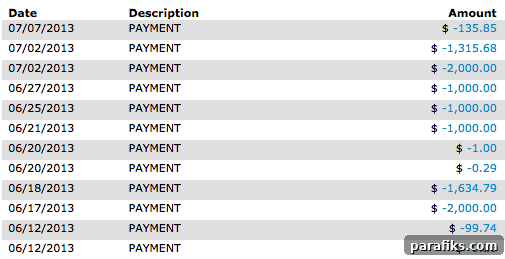
Over the past weeks I made several sizable payments and watched our savings shrink to an uncomfortably low level (still manageable, but smaller than I prefer).
Our monthly income continued to rise, and without that extra revenue none of this would have been possible. I’m very grateful for the opportunities and for the people who helped make it happen.
Many readers have asked about the tiny payments of less than $1 you might notice in the payment snapshot. That’s because when you pay the final balance, lenders often still charge a day’s interest before the payment posts. Those tiny amounts reflected those accrued interest charges during the final payoff process.
Related posts about paying off student loans quickly:
- 30+ Ways To Save Thousands of Dollars Each Month
- How To Work From Home By Selling on Amazon
- 75+ Ways To Make Extra Money
- How Do Student Loans Work?
My Student Loans
I worked full time during both my undergraduate and graduate programs, and still graduated with student loan debt. Part of the reason was practical — I moved out at 17/18 and had to pay for living expenses — and part of it was youthful overspending. I did waste some of my income on clothes, eating out, and other nonessentials when I was younger and first living on my own.
After finishing both degrees, my student loan balance totaled roughly $40,000. You can read more about how I completed college quickly and saved along the way in my post about graduating in 2.5 years with two degrees.
We had a decent emergency fund for some time, but it was hard for me to part with it. That fund allowed me to make the large payments required to accelerate loan payoff, especially in the final weeks.
Some people have asked whether I regret getting my degrees now that I’m transitioning to full-time blogging and freelancing. I don’t regret my education — I believe my degrees helped me get to where I am today and will continue to serve me in the future.
My original target was to pay off the loans by March or April, but I fell a little behind schedule. We did have some unnecessary but enjoyable expenses along the way, which delayed us a bit. Still, I’m proud: I only missed my deadline by a few months, and the goal was absolutely achievable.
My Financial Future
With the $5,000–$10,000 we were previously sending toward loans now freed up each month, what will we do with the extra cash? We’re still deciding. This new cash flow is a significant change after years of channeling most extra income toward student loan payoff.
Our priorities include building a substantially larger emergency fund to prepare for the unpredictability of freelance income and increasing our investing. While we’ve always saved and invested a little, we plan to be more aggressive going forward.
We’re also saving toward a future home, but buying a new house isn’t an immediate priority. We’ve only lived in our current home for four years and it still suits our needs, so the next house can wait a couple more years while we continue to build savings.
I recognize that some of the recent high monthly savings were tied to having multiple income sources; as I shift to more freelancing, our monthly cash flow may decrease and we’ll need to adjust. That’s normal — one year ago I wouldn’t have imagined we’d reach the income levels we did. It’s not feasible to sustain two full-time workloads forever.
Still, I’m thrilled to be debt-free from student loans. Consider this a proud celebration — yes, it’s a bit of a brag post 🙂
 Here are practical tips that helped me pay off student loans quickly:
 Here are practical tips that helped me pay off student loans quickly:
Know your total student loan balance
The first step that jump-started my repayment plan was totaling every student loan balance. Seeing the full number in one place was a shock — and that shock became motivation.
Don’t estimate. Pull up each loan statement and tally balances down to the penny so you know exactly what you owe.
Understand your loans
It’s important to fully understand the terms of each loan before deciding how to attack the balances. Key items to research include:
- Interest rates: Know which loans are fixed and which are variable, and their rates. Targeting high-interest loans first can reduce the total you pay over time.
- Employer reimbursement: Some employers offer student loan repayment assistance or tuition reimbursement. Check eligibility and requirements such as tenure or performance standards.
- Auto-pay discounts: Many lenders offer an interest rate reduction (commonly around 0.25%) for enrolling in automatic payments. That small discount can add up over time.
Create a budget
If you don’t already have a budget, make one immediately. Track your actual monthly income and expenses to clearly see how much you can allocate to debt repayment. A realistic budget helps you identify where extra payments can come from.
Increase your income
The month I finished the payoff, I earned a significant amount in extra income. While not everyone can earn that level, most people can find ways to earn an additional $500–$1,000 a month, and that extra income can dramatically reduce loan timelines.
Some practical ways to earn more include starting a blog or side business, selling items you no longer need, taking surveys, renting out a spare room, using rewards or cashback sites, or picking up a part-time job. Even modest extra income applied directly to loans adds up quickly.
Related ideas include lists of 75+ ways to make extra money, things to sell, and ways to earn an extra $1,000 a month.
Cut expenses
Next, trim your budget line by line to eliminate unnecessary spending. Many people find small changes that free up meaningful cash for debt repayment.
Even cutting $100 a month equals $1,200 a year — enough to make a noticeable dent in a loan balance. Examples of expense reductions:
- Use cashback and rewards sites for online purchases.
- Lower your cell phone bill by switching plans or providers.
- Avoid ATM and late fees by planning ahead.
- Shop insurance rates to reduce premiums on cars, home, and life insurance.
- Reduce food costs with meal planning and cooking at home.
- Combine errands, drive efficiently, and consider more fuel-efficient vehicles.
- Consider living in a smaller home or trading in an expensive car if those expenses are unnecessary.
- Find frugal entertainment options and cut costly subscriptions or memberships you don’t use.
Pay more than the minimum
To accelerate payoff, pay more than the monthly minimum whenever possible. Even modest extra payments shorten the loan term and reduce total interest paid. Consistently applying any surplus toward principal is the clearest way to shave years off your repayment timeline.
How much student loan debt do you have? What’s your repayment plan?