
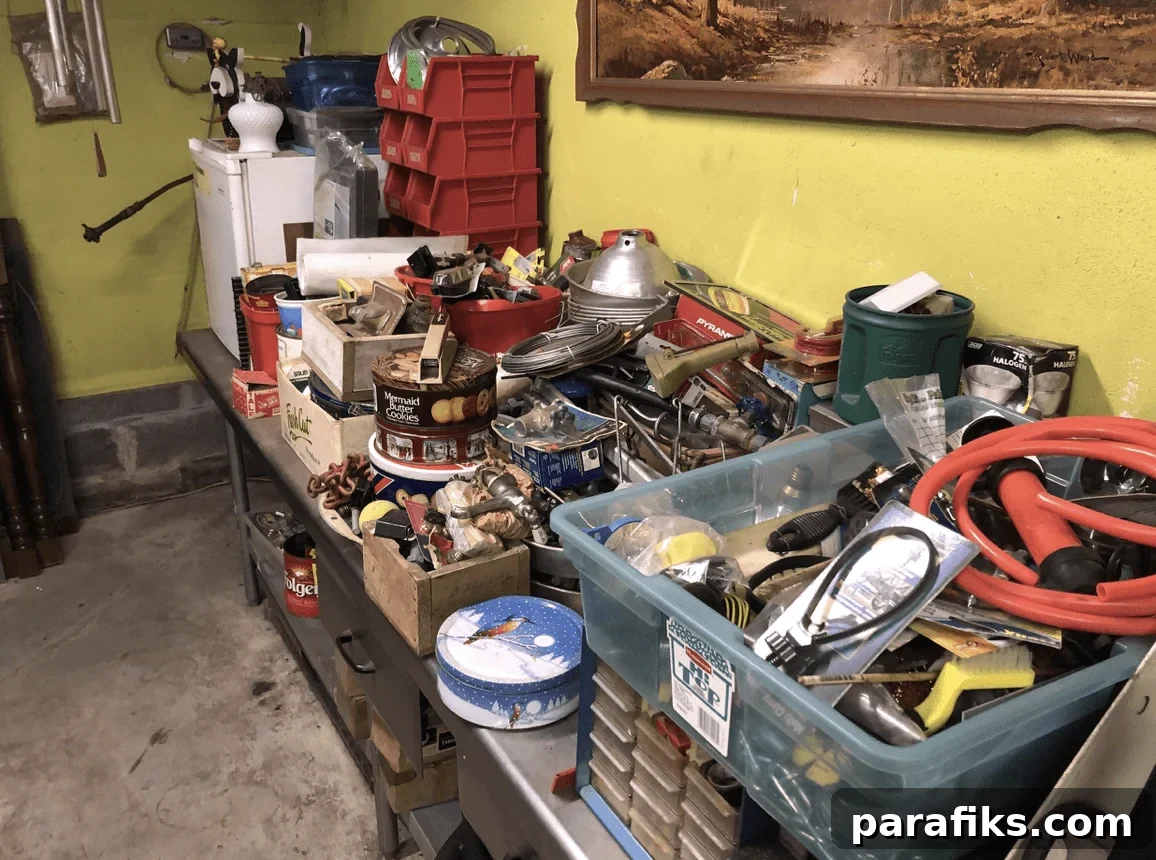
Hello! Please enjoy this article from a reader, Rush Walters, about how he flips garage sale and auction finds on eBay as a side hustle to make extra income.
Depending on who you ask, being a high school teacher comes with pros and cons. One con: limited income. One pro: summers off.
My wife and I both teach in a small mid-Missouri town. In my first year (2015) as a high school teacher and head boys’ tennis coach, I earned $38,000. The budget was tight some months.
When we married in 2018, a second income would have helped, but my wife wasn’t able to work legally until she received permanent resident status in 2019. Living on one teacher’s paycheck was challenging. We became disciplined budgeters, which helped, but I still wanted some fun money for dinners out, movies, and impulse purchases.
That’s when flipping items on eBay from garage sales and auctions caught my interest.
I’d heard of a coworker making a good side income flipping sports memorabilia. I didn’t have much sports background, but I had an eBay account and knew garage sales. So I started waking up early on Saturday mornings, grabbing coffee, buying the local newspaper, and circling that day’s classifieds.
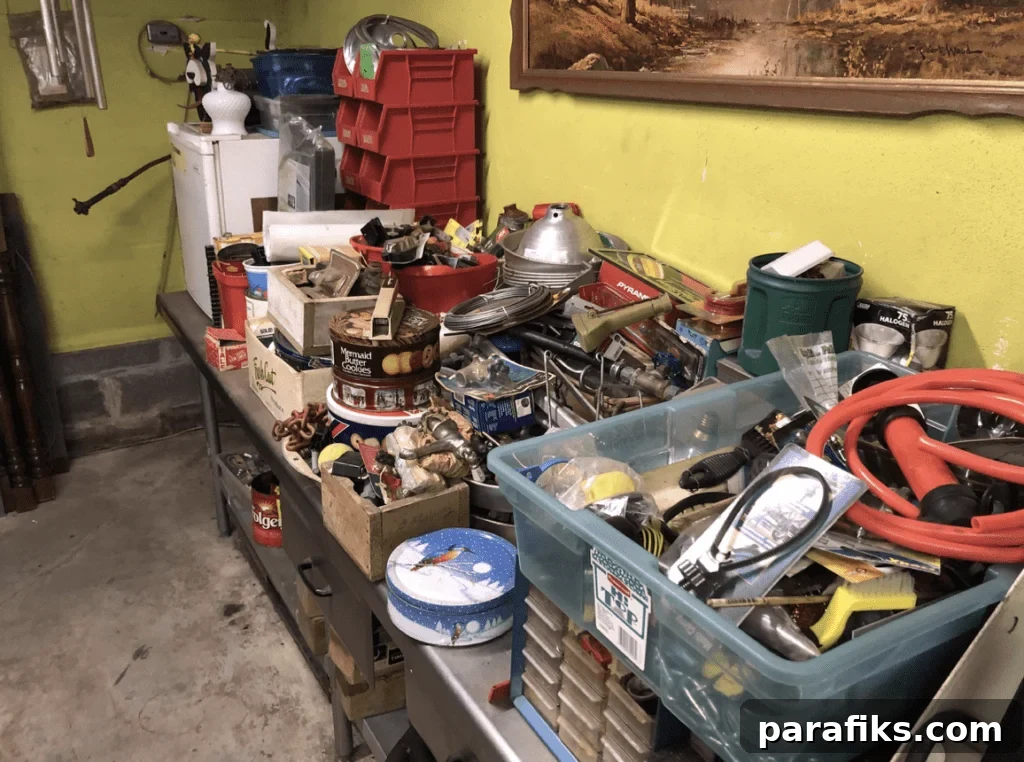
I only circled sales that started that morning. Two-day sales that began the day before are usually picked over; the best items are often already gone.
Flipping on eBay quickly became my side hustle. I asked my coworker for tips, learned a lot through experience, and gradually understood the value of my time: is it worth spending half a day at an auction for one item that might net $20?
Below I’ll share my step-by-step process for beginners. I’ve made mistakes and had wins, and every experience taught me something valuable.
How I Make Extra Money Reselling Items on eBay
Step 1: Mining for Diamonds
You’re looking for the “diamonds in the rough.” There are three tools you should have before you start: cash, the newspaper, and your smartphone with the eBay app.
First, carry smaller bills—especially $1 bills. Sellers expect exact change or small amounts for bartering. I try to keep about twenty $1 bills when I garage sale.
Second, buy your local newspaper the morning of the sales. Mark the classifieds for sales that open that day and prioritize the earliest ones. Plan a logical route through town so you don’t waste time driving back and forth.
Focus on sales that match what you’re looking for. I like old video games, so listings that mention games go to the top of my list. Also learn to spot the types of listings that are most likely to yield good deals:
Moving Sales – Sellers want to get rid of things quickly; they’re motivated to make deals.
Estate Sales – Often the best option. These sellers usually just want to clear everything out and can be very motivated to sell.
Regular Garage Sales – Common and sometimes the hardest to negotiate with, but they can have great items priced to move.
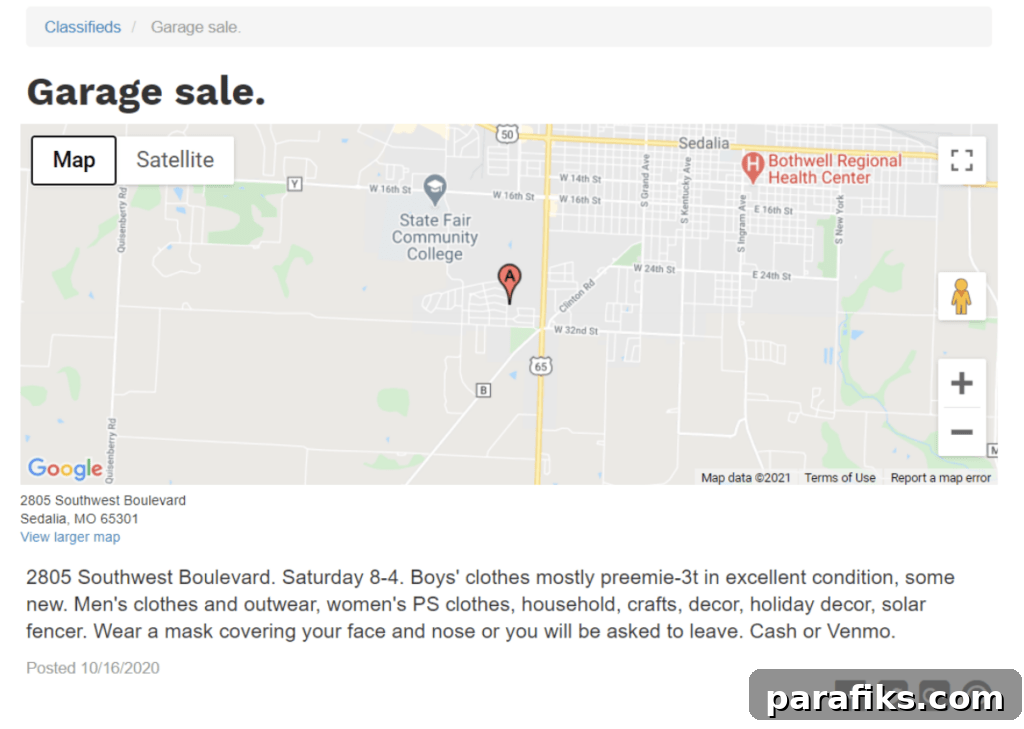
Be early. Even ten minutes can make a difference in finding the best items. Wait in your car if needed—being first puts you in the best position to make the best deals.
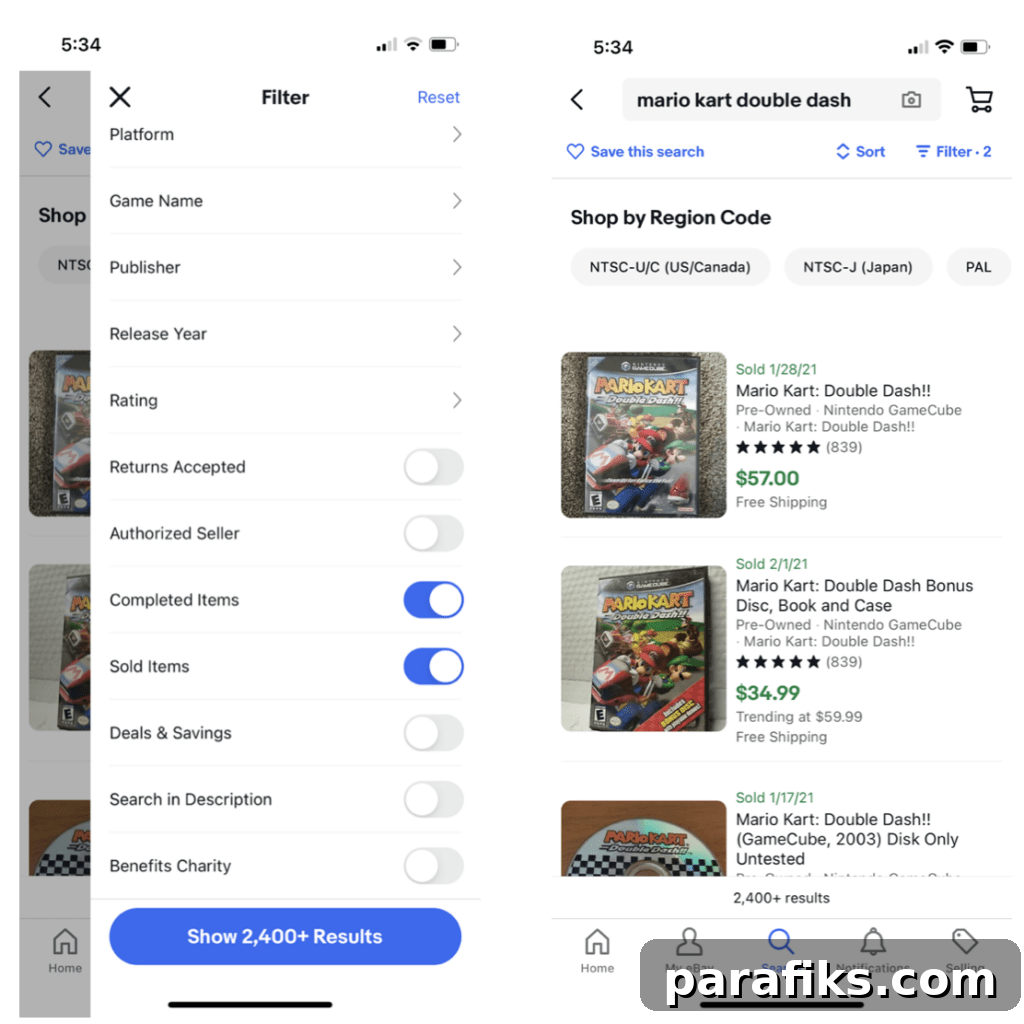
Finally, keep your smartphone charged and the eBay app ready. Use the “Sold Items” filter when researching a specific item to see recent sale prices. This is your best tool for gauging real market value and deciding what you’re willing to pay.
As you learn what sells, you’ll move more quickly from sale to sale. If a place has nothing of value, don’t waste time wandering—get to the next sale.
Step 2: Bartering
Bartering is the art of this side hustle. For items priced under $20, I usually start by offering half the asking price. That often brings the seller down some amount and gives room to negotiate toward a mutually satisfying price.
Remember most sellers aren’t making a living from garage sales. They want to clear items, and a reasonable offer can be welcome. Always set a clear maximum you’re willing to pay—know what price puts you in a profitable range.
When researching on eBay, be as specific as possible. If you can’t find an exact match, use the closest comparable to estimate value. Don’t let the thrill of a possible flip cloud your judgment—money doesn’t care about emotions.
Ask yourself: is this risk worth X dollars? Are you willing to potentially lose that amount? Risk is part of flipping. I once bought collectible coins at auction, thinking I could resell them for profit. I didn’t have the coin expertise or cell service to research during the auction, and I ended up losing money. I learned that coin collecting has its own market nuances and grading standards.
On the flip side, a $15 tackle-box purchase yielded a fishing lure that sold for $100 on eBay. Auctions and listings can drive bidding wars for collectors, and competition can push prices well above typical values.
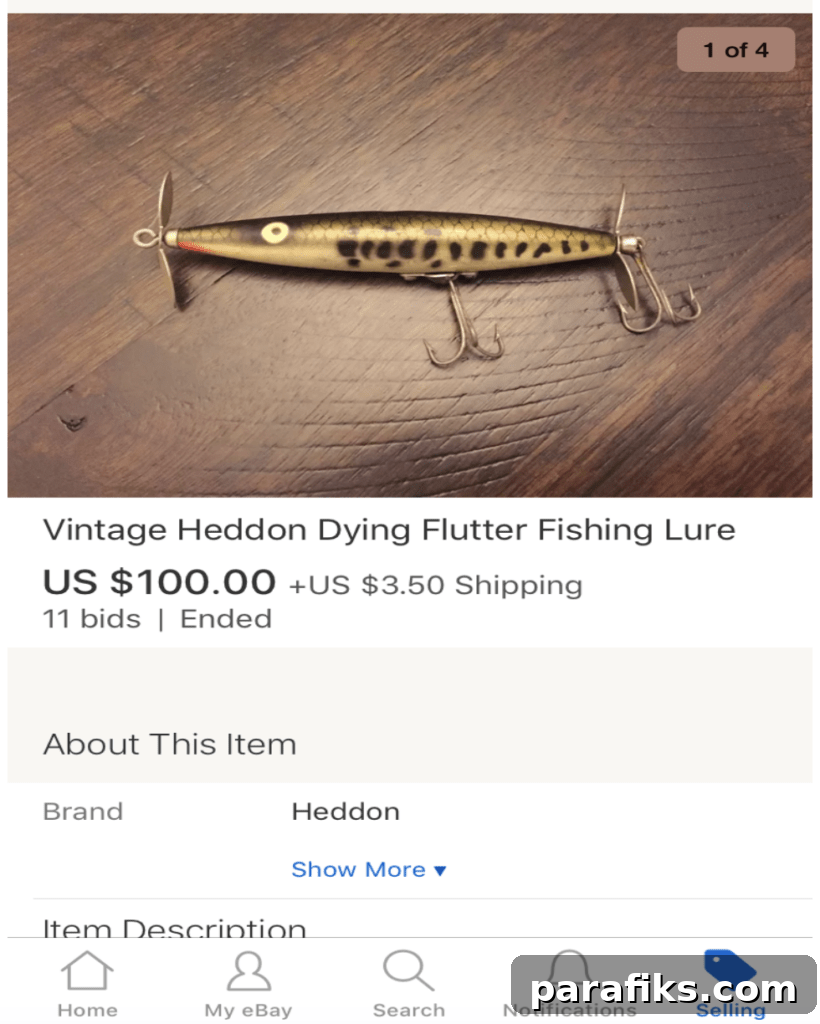
Step 3: Quality eBay Listings
eBay provides a straightforward listing process, but here are the things that elevate a listing from average to excellent.
Start with auctions as a beginner. A low starting bid below recent sold prices attracts attention and can create competition that drives the final price up. I typically start $10–$20 below the perceived value, but account for eBay’s seller fees (usually around 10% of the sold price).
Take clear, multiple photos showing every important angle:
- front
- back
- sides
- a bird’s-eye view
Be specific and honest in your description. If an item is untested or missing parts, state that clearly—for example: “Untested; missing manual, as shown.” This informs buyers and protects you if a buyer tries to claim the item was misrepresented.
If a buyer unfairly leaves a negative review, contact eBay customer service with evidence; if you’re in the right, eBay can remove it.
Shipping tip: when starting out, have the buyer pay shipping. Use eBay’s shipping calculator and enter accurate weight and dimensions to avoid undercharging. I learned this the hard way more than once.
Conclusion
- Have a clear game plan for garage selling. Know where to look and prioritize the best listings.
- Hone your bartering skills. The lower your purchase price, the larger your profit margin.
- Create thorough listings: good photos, clear descriptions, and correct shipping details.
Most importantly, learn as you go. Research, try it, and gain experience. I’ve had both good and bad flips—every flip teaches something. The path to success isn’t perfect; that’s why not everyone does it.
Author bio: Rush is a mid-Missouri high school engineering teacher and tennis coach. He and his wife Mia have no children, only a clever Bernese Mountain dog named Zion. Rush runs a blog called Clim & Joe’s. He enjoys exploring, cooking, board games, and time with family.
Are you interested in flipping items for resale? What questions do you have for Rush?