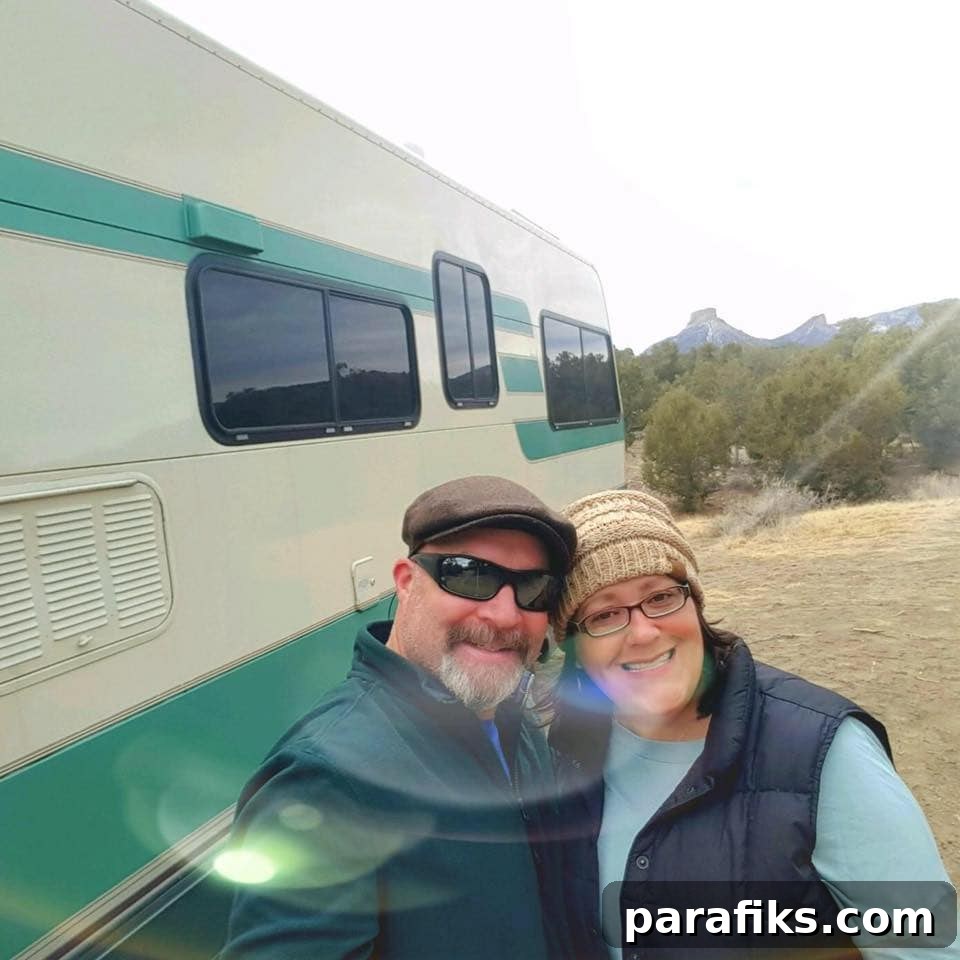
Next in my Extraordinary Series are Melissa Nance and Wade Smith from The Penny Pinching Globetrotter. They’ve been traveling full-time for four years on a tight budget—about $1,400 per month—which covers all living expenses as well as travel costs.
In August 2015, Melissa was diagnosed with leukemia. During long stretches of recovery she reflected deeply on what she wanted from life. Travel rose to the top of that list, and she resolved to make it happen.
Neither Melissa nor her husband had remote jobs at the time, so they found creative solutions: Wade has taken seasonal positions at U.S. National Parks that provide free camp stays and income, and Melissa developed side hustles that fit a mobile lifestyle.
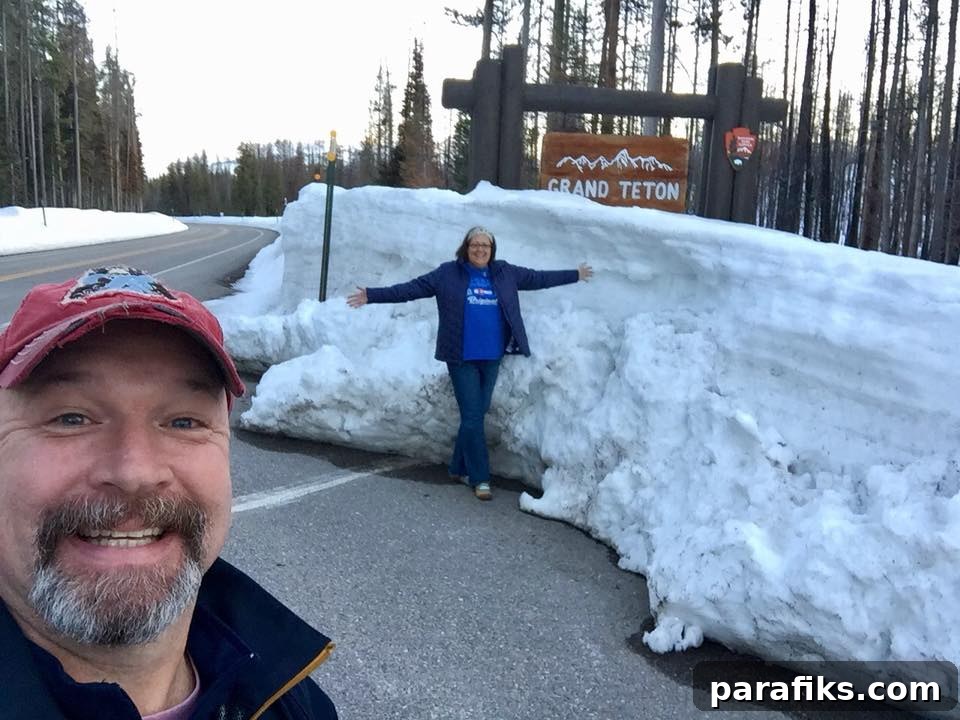
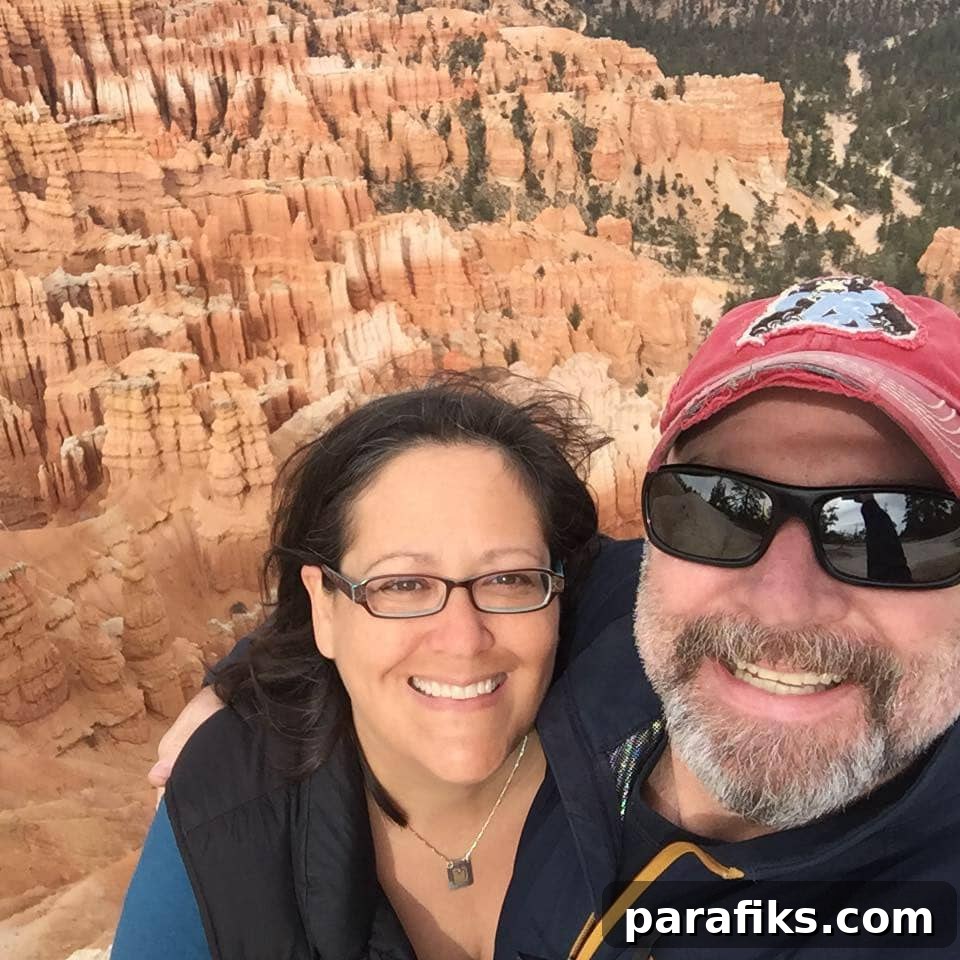
So far they’ve visited 15 national parks, explored 20 national monuments, camped in 21 states, and traveled to seven countries—all while keeping costs realistic and low.
In this interview you’ll learn:
- The main obstacles they faced when starting full-time travel
- Details about their RV
- Their monthly budget and typical expenses
- How they save money while traveling and living on the road
- How they earn income while traveling
You can read more of their story on their website at The Penny Pinching Globetrotter and find them on Instagram and Facebook. Enjoy this interview—I learned a lot and I think you will too.
Related articles you may be interested in:
- How I Retired At Age 30 with $500,000
- How This Family Is Overlanding And Driving Across The World In Their Jeep
- How This Couple Reached Financial Freedom Before 40 And Live On A Sailboat
- How To Save Money For Long-Term Travel
Here’s how this couple travels full-time on just $1,400 per month.
1. Tell me your story. Who are you and what do you do?
Before full-time travel I worked as the director of a nonprofit in Knoxville, TN. I was a single mom, active in my community and accustomed to planning and organizing—typical Type A traits. Being frugal was part of how I managed both home and work; I became a professional penny pincher out of necessity.
Today I still consider myself frugal and organized, but I travel full-time with my husband in our RV and we travel abroad when possible.
2. Why did you decide to start full-time traveling?
When I was diagnosed with leukemia in August 2015 and spent months recovering from chemotherapy, I did a lot of soul-searching about what mattered most. I realized I preferred experiences over working constantly, and travel promised a life filled with new experiences.
While researching options, I discovered people living full-time in RVs. That became the plan. We saved for nearly two years, paid cash for an RV, and launched our full-time travel life in July 2017.
3. What are some big obstacles you had to overcome getting started?
Money was the biggest hurdle. We had to figure out how to afford full-time travel without remote jobs or retirement savings. To get started we paid off all debts and aggressively saved. For almost two years we skipped holiday gifts, avoided eating out, and bought only necessities. That discipline let us pay cash for the RV and leave with $10,000 in savings.
We also rented our house for extra income and discovered seasonal work opportunities at national parks. Over time we’ve worked at three parks and learned to earn small amounts through mystery shopping and micro-tasks on our phones. Ultimately, mastering ways to live on less and save while traveling has been crucial.
4. Tell me about your RV. What do you have?
We drive a 1997 Lazy Daze—coincidentally the same age as my daughter. During research I learned these RVs are built to last, so we found a used one, flew to Missouri to pick it up, and drove it home.
5. What budget do you travel on? How did you decide on that number? How much do you typically spend each month and on what?
Our average monthly budget is about $1,400, which covers all living expenses, not just travel-specific costs. When we first started it was closer to $1,200; now that we earn some income we include an entertainment line item.
I created our budget by analyzing fixed costs (like insurance and cell phones) and variable costs (fuel, food, camping). I estimated RV fuel consumption and average gas prices to set a realistic fuel line item. We cook most meals, so food costs stayed similar to when we lived at home. We also planned to boondock frequently to avoid camping fees.
Typical monthly breakdown:
- Health insurance: $309
- Gas & propane: $250 (varies—when working in a park it can be as low as $60; in months of long relocation it can reach $1,000)
- Storage unit: $49
- Vehicle insurance: $46 (covers scooter, RV and van; paid yearly for a discount)
- Cell phones: $175
- Food and toiletries: $300
- Entertainment: $100
- Laundry: $25 (often waived when working seasonal park jobs)
- Miscellaneous: $150 (vehicle maintenance, medication, unexpected expenses)
6. How do you travel on such a low budget? What do you do to save money?
We use apps that save on groceries and gas, which helps considerably. Boondocking—parking and camping without hookups—is central to keeping costs down while living in the RV, and it also allows us to spend time in nature. When we travel internationally, we often use airline and hotel points earned with branded credit cards, so sometimes overseas trips can be less expensive than staying in the U.S.
Working at national parks greatly reduces expenses because park-provided housing or free camping lowers our monthly outgoings while providing income. That lets us save the extra income we earn through mystery shopping or the blog, often putting a few hundred dollars or more into savings each month.
7. How do you make money while traveling?
Wade takes seasonal jobs at national parks during the busy seasons, and I run the blog. Wade’s seasonal income is the larger share, while I work year-round on content, social media and side tasks that currently generate a few hundred dollars a month. We supplement income with mystery shopping and phone-based microtasks, which help cover meals and small expenses.
8. What’s an average day like for you?
I’m a night owl, so I often sleep later and start the day with coffee. When Wade is working at a park, I spend several hours on social media and blogging, then prepare dinner and we relax around a campfire or watch a movie. When we travel together, I spend time researching interesting stops and finding boondocking sites along our route.
9. What do you like and not like about living in an RV?
I love the freedom that RV life provides. Experiencing new places and moments is what makes me feel alive—almost every day brings something new. After four years, the downsides are practical: I miss a bathtub and a dishwasher.
10. What has been your favorite place to visit in your RV so far?
National parks are our favorite destinations. We’re on a mission to see all of the U.S. National Parks. It’s hard to pick one favorite, but Lassen Volcanic National Park in California was a delightful surprise; we had low expectations and left impressed.
11. Lastly, what are your best tips for someone who wants to start traveling more?
Learn to live on less—most people can reduce material purchases and prioritize experiences. For me, illness clarified that relationships and experiences matter more than possessions.
Create a budget. Knowing where your money goes is the fastest way to find areas to cut. Start by tracking every expense so you can identify savings. And most importantly: do it. If you decide to make travel a priority and commit to a plan, it’s possible.
Do you have any questions for Melissa or Wade? Are you interested in this type of travel?