
 Have you paid attention to how much your insurance is costing you lately?
Insurance is a necessary expense, but many people are overpaying. Whether it’s car, home, or other policies, small oversights can cost you hundreds or even thousands of dollars a year. Learning how to save money on insurance can make a noticeable difference in your budget.
I know this from experience. When I was 16 I bought a new-to-me car — cheap, high miles, and troublingly dented and chipped. Despite the car’s low value, my insurance cost more than $100 a month. My dad helped me get a policy, and neither of us shopped around or compared rates. We simply went with his insurer.
I also had excessive coverage for that inexpensive car: a very low deductible and collision insurance I probably didn’t need. After reevaluating and making changes, my premium dropped by more than half—down to around $50 a month. That taught me how easy it is to overpay if you don’t compare options and pick coverage that matches the vehicle’s value.
I see similar situations frequently when reviewing people’s finances. Many are overspending on insurance, often without realizing it. Whether it’s car or homeowners insurance, a surprising number of people pay far more than necessary. For example, someone recently mentioned paying over $200 a month to insure a $2,000 car — a shockingly common story.
People often stay with the same company for years because of habit, loyalty, or reluctance to “offend” an agent. But remember: agents represent their companies. Your priority should be finding the best value for your circumstances, not preserving a relationship that costs you money.
To see how widespread this problem is, I looked into data from Gabi, a personal insurance platform (I have no relationship with them). Their analysis showed many customers with major insurers were overpaying. For example, Farmers, Nationwide, and State Farm customers often paid more than necessary. Geico was frequently competitive, but even so, about one in three Geico customers still overpaid. This kind of variation shows why shopping around matters.
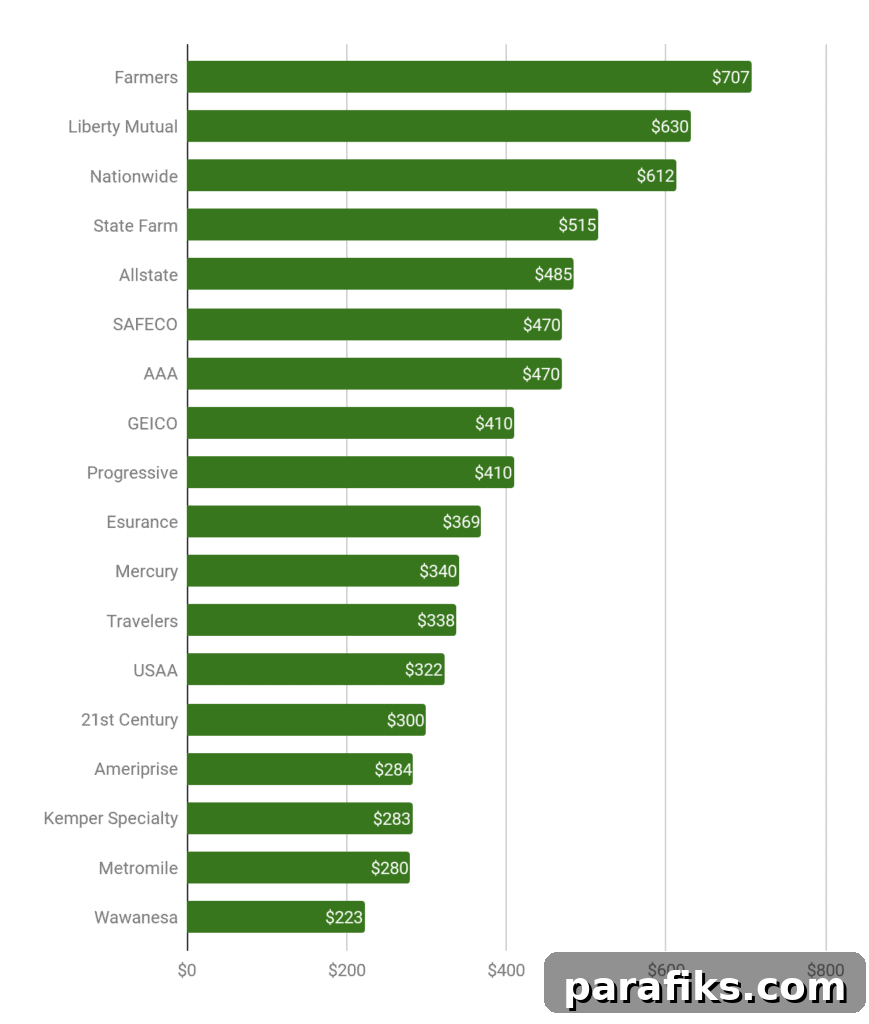
Clearly, many people are likely overpaying for insurance without realizing it. Below are practical tips to help you lower your premiums and get the coverage you need without unnecessary cost.
Tips to save money on insurance
What affects your insurance premium?
Understanding what influences your rate is the first step to saving. While factors vary by policy type, here are common elements for car insurance:
- Where you live. Rates vary by city and state. Areas with more accidents, thefts, or severe weather can be more expensive to insure.
- Your vehicle. A high-performance car costs more to insure than an economy sedan. Consider total ownership costs—including insurance—when choosing a vehicle.
- How you drive. A history of accidents or traffic violations drives up premiums. Safe driving keeps rates lower.
- Your age and experience. Younger, less experienced drivers typically pay more. As you build driving experience with a clean record, premiums generally decrease.
- Your credit score. In many states, insurers use credit-based factors when pricing policies. Better credit can lead to lower premiums.
- Coverage choices. The types and amounts of coverage you select—liability, collision, comprehensive, deductibles—influence the premium significantly.
These are some of the main factors that determine whether you’re overpaying or getting a fair rate.
Shop around
Don’t assume the cheapest or most frequently criticized companies aren’t sometimes the best option for you. Rates are highly individualized. The insurer that’s expensive for one person could be the most affordable for another. That’s why shopping around and comparing quotes is essential.
For my family, State Farm offers the best rate for our Jeep, even though data shows their customers often overpay in the aggregate. The takeaway: compare at least annually. Use renewal notices as prompts to review your policy and get fresh quotes. The effort is small compared to potential savings—many people save several hundred dollars a year or more by switching or adjusting coverage.
Analyze and adjust your coverage
Not every policy needs every available add-on. Review your coverage carefully and consider these actions:
- Raise your deductible. Choosing a higher deductible (for example $500, $1,000, or $2,000) can significantly lower premiums. Balance deductible size with what you could afford out-of-pocket after a claim.
- Only pay for what you need. If a vehicle has low value, collision or comprehensive coverage might not be cost-effective. For older, inexpensive cars, liability-only coverage is often the better choice.
- Request discounts. Ask insurers about discounts for good students, safe driving records, bundling policies, low mileage, anti-theft devices, and more. If a competing quote is lower, use it as leverage when asking your current insurer what discounts they can offer to keep your business.
- Bundle policies. Combining home and auto insurance with the same company often results in a lower overall rate.
Remember: agents may be helpful, but they work for the insurer. You are the person who benefits from lower premiums, so take an active role in finding the best coverage and price.
How much do you pay for home or car insurance? Have you looked for better rates recently? What strategies do you use to save money on insurance?