
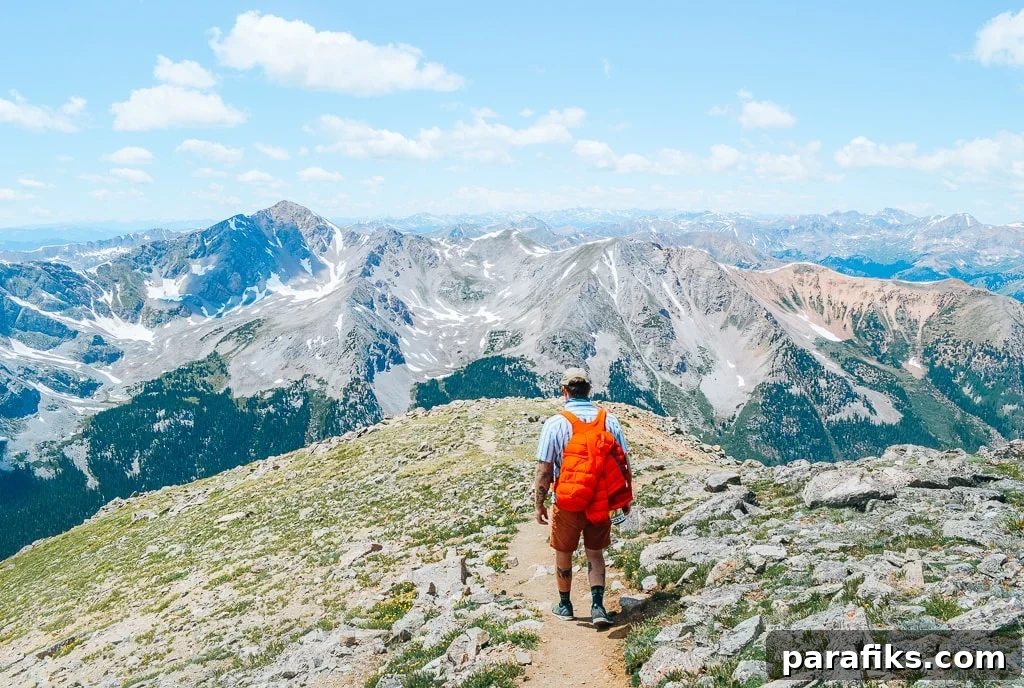
Are you searching for the best jobs that let you work in nature?
If you love being outdoors and care about the environment, a career in nature can let you spend your days outside while making a meaningful impact.
Jobs in nature range from guiding visitors and teaching outdoor skills to researching wildlife, designing sustainable systems, and protecting ecosystems. Whether you want hands-on fieldwork, scientific research, or work that supports conservation and renewable energy, there are many fulfilling options.
Best Jobs in Nature
Here are some of the best careers for people who want to work in natural settings.
1. Park ranger
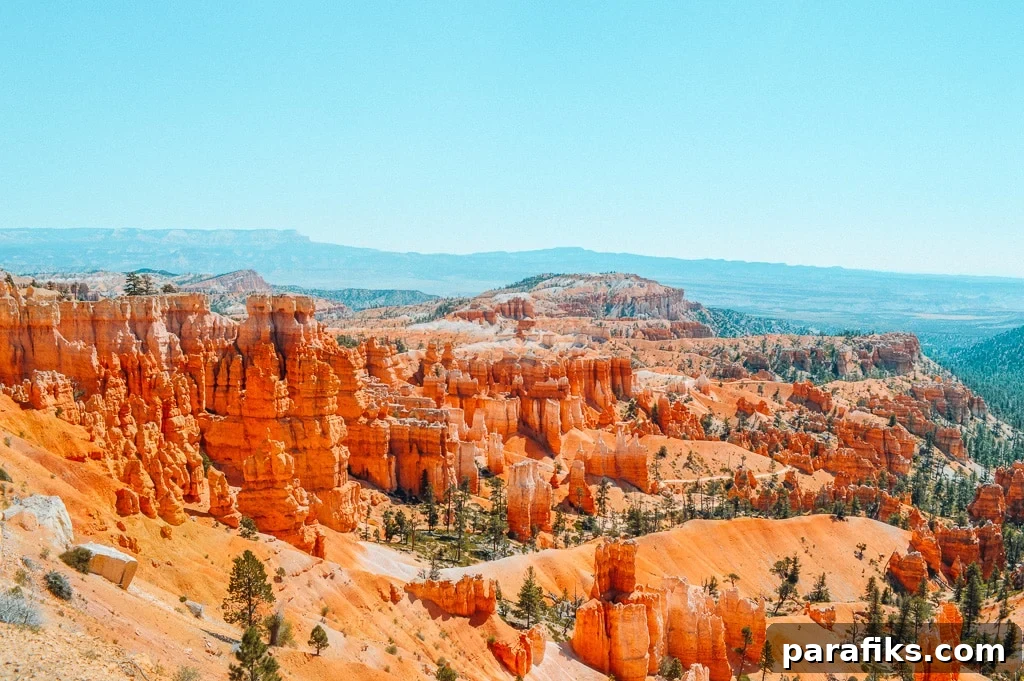
Park rangers manage and protect natural areas like national and state parks. Their work includes habitat management, visitor education, guided tours, search and rescue, and ensuring visitor safety. This role keeps you outdoors and allows you to share your passion for nature with the public. Typical entry-level pay often starts near $30,000 and can increase with experience and location.
2. Conservation scientist
Conservation scientists study ecosystems and natural resources and develop plans to preserve habitats and biodiversity. They collect field data, assess threats, and work with agencies or landowners to implement conservation strategies. This role blends outdoor fieldwork with policy and planning.
3. Nature photographer
Nature photographers capture landscapes, wildlife, and natural scenes for magazines, nonprofits, stock libraries, and personal projects. Success in this field depends on technical skill, a distinctive eye, and persistence. Photographers often travel to remote locations, require specialized gear, and build a portfolio to sell images or work on commission.
4. Marine biologist
Marine biologists study aquatic organisms and ecosystems, from microscopic plankton to large marine mammals. They conduct fieldwork, lab research, and data analysis to understand ocean health and how marine systems respond to change. Strong science training is important; marine careers often require a relevant college degree. Average salaries vary by role and experience, with many positions offering competitive pay.
5. Fly-fishing guide
Fly-fishing guides lead clients on rivers and streams, teaching casting techniques, reading water, and finding productive fishing spots. This role blends outdoor skills, customer service, and local knowledge. Popular regions for guides include Alaska, Montana, and Colorado.
6. Wildlife biologist
Wildlife biologists monitor animal populations, study behaviors and habitats, and advise on land-use and conservation measures. They may work in the field tracking animals, in labs analyzing samples, or for government agencies producing management plans.
7. Environmental engineer
Environmental engineers apply engineering, science, and math to solve environmental problems like pollution control, water treatment, and remediation. They design systems that protect air and water quality, reduce waste, and support sustainable development.
8. Landscape architect
Landscape architects design outdoor public spaces such as parks, campuses, and gardens. Their work combines aesthetics, ecology, and practicality to create functional, sustainable landscapes. A formal degree in landscape architecture is often required; experienced professionals can earn significantly higher salaries.
9. Geologist
Geologists study Earth’s materials and history, analyzing rocks, minerals, and fossils to understand geological processes. Work can include field mapping, sample collection, and lab analysis. Geologists support resource discovery, hazard assessment, and environmental consulting, and often hold degrees in geology or earth sciences.
10. Environmental scientist
Environmental scientists investigate pollution, assess ecosystem health, and develop plans to protect natural resources. They perform field sampling, lab testing, and policy work to ensure clean air, water, and soil, and to support biodiversity.
11. Hydrologist
Hydrologists study the movement, distribution, and quality of water on Earth. They model water flow, assess flood risk, and support water resource management. A degree in environmental science or a related field is typical; pay varies by experience and sector.
12. Wildland firefighter
Wildland firefighters combat fires in forests, grasslands, and other natural areas. Their work involves fire suppression, creating fuel breaks, and sometimes coordinating aerial resources. This physically demanding role is essential as wildfire frequency and intensity increase in many regions.
13. Forester
Foresters manage forest resources to balance timber production, recreation, and conservation. They inventory tree populations, plan harvests, oversee planting and thinning, and implement strategies to protect soils, water, and wildlife habitat.
14. Botanist
Botanists research plant biology, crop improvement, and soil-plant relationships. They study plant growth, breeding, and responses to environmental conditions, working in labs, greenhouses, or field settings for government, academia, or industry.
15. Wind turbine technician
Wind turbine technicians maintain and repair wind turbines that generate renewable energy. Demand for these roles is growing quickly as wind power expands, offering hands-on work outdoors at heights and opportunities in the clean energy sector.
16. Solar energy specialist
Solar energy specialists design, install, and manage solar power systems. They evaluate sites, select equipment, and oversee projects that convert sunlight into electricity for homes, businesses, and communities.
17. Arborist
Arborists care for trees by diagnosing disease, performing pruning and removal, and advising on tree health and planting. They often work for municipalities, landscapers, or as independent contractors, combining physical work with arboricultural expertise.
18. Organic farmer
Organic farmers grow food using methods that avoid synthetic pesticides and fertilizers. They focus on soil health, crop rotation, and sustainable practices. This career offers daily outdoor work and a direct connection to food systems and local communities.
19. Camp counselor
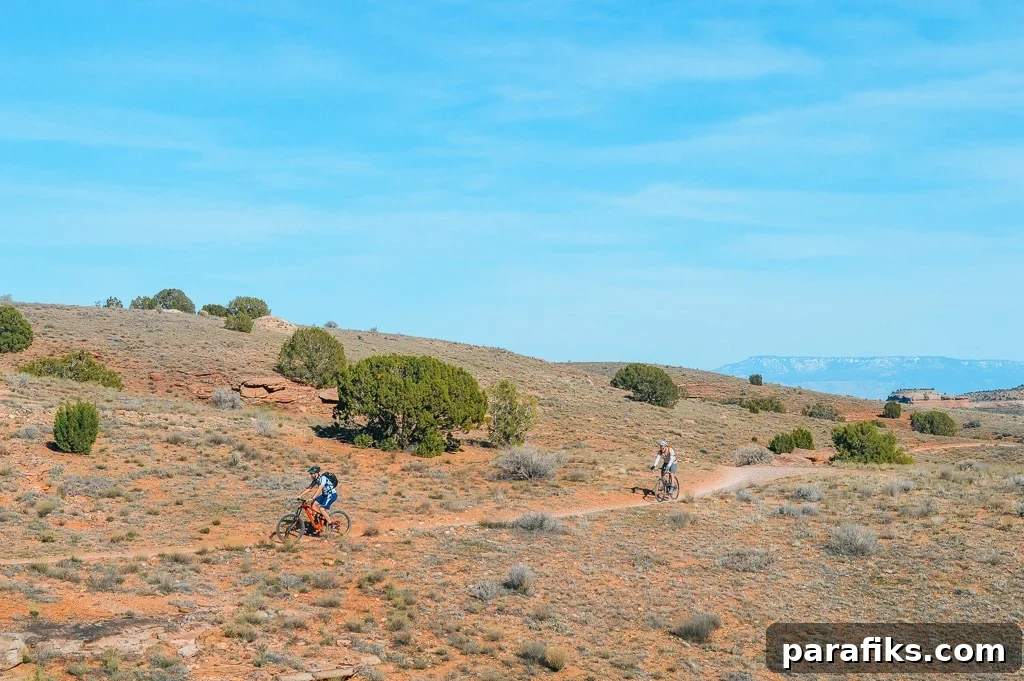
Camp counselors lead outdoor activities for children and teens, such as hiking, swimming, and nature education. This entry-level role is a great way to gain outdoor experience, build leadership skills, and enjoy seasonal work in the outdoors.
20. Zoologist
Zoologists study animal biology, behavior, genetics, and disease. They may work in research, wildlife management, zoos, or government agencies, collecting and analyzing data to inform conservation and management decisions.
21. Field researcher
Field researchers conduct hands-on studies of plants, animals, and habitats. They document observations, collect samples, and use tools to measure environmental variables. Fieldwork is a core component of many ecological and conservation careers.
22. Surveyor
Surveyors measure land and property boundaries using GPS, lasers, and other precision tools. Their work is essential for construction, mapping, and land development, and often involves travel to varied outdoor locations.
23. Adventure guide
Adventure guides lead outdoor experiences such as hiking, rafting, climbing, or canyoneering. Guides can work for tour companies or run independent operations, offering an active lifestyle, travel, and the chance to share outdoor skills with others.
24. Tour guide
Tour guides introduce visitors to natural attractions, sharing local history, ecology, and safe practices. This role is ideal for people who enjoy storytelling, public interaction, and teaching about the environment.
25. Ski instructor
Ski instructors teach skiing techniques on the slopes and often receive on-the-job training and certification. This seasonal role is a popular way to spend winters outdoors while working with learners of all ages.
26. Outdoor educator
Outdoor educators teach safe, responsible enjoyment of natural areas through programs, workshops, and field classes. They work in parks, schools, camps, and community organizations to build environmental awareness and outdoor skills.
27. Environmental health officer
Environmental health officers inspect workplaces, public spaces, and industries to ensure they meet health and environmental standards. Their work protects communities and ecosystems from hazards like pollution and unsafe practices.
28. Wildlife manager
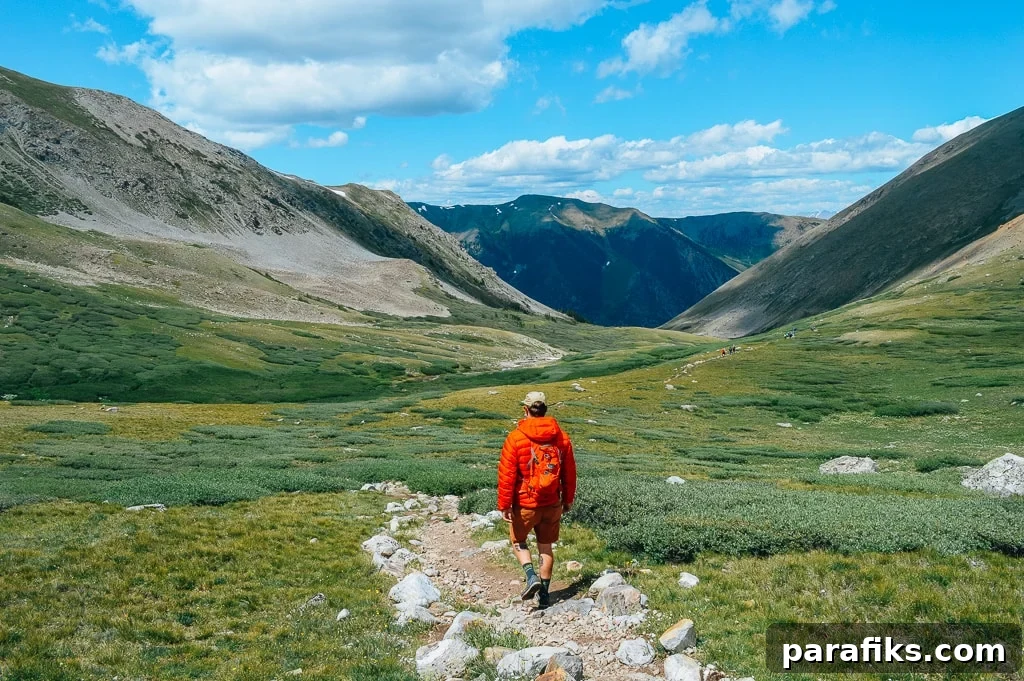
Wildlife managers oversee animal populations and habitats, monitor species health, and develop management plans for reserves and parks. Their work supports biodiversity, sustainable use, and conservation goals.
29. Public health advocate
Public health advocates work at the intersection of community well-being and environmental protection, promoting clean air and water, safer public spaces, and policies that reduce environmental health risks. They work for nonprofits, governmental agencies, and community organizations.
Frequently Asked Questions
Answers to common questions about pursuing careers in nature.
Which job is best for nature lovers?
Many nature lovers find park ranger roles deeply satisfying because they combine outdoor stewardship, education, and visitor interaction. Other great fits include wildlife biologist, nature photographer, field researcher, and guide positions—choose based on whether you prefer hands-on care, science, education, or creative work.
What is the highest paying job in nature?
Earning potential varies widely. Running your own business in a nature-related field—such as a guiding company or a commercial photography business—can increase income. Technical and scientific careers, like environmental engineering or specialized research roles, also tend to offer higher salaries depending on experience and sector.
What are the best jobs in nature without a degree?
Several outdoor careers don’t require a college degree, including camp counselor, ski instructor, surveyor (in some paths), fly-fishing or adventure guide, arborist, and many entry-level conservation or field technician roles. Certifications and hands-on experience can help advance these careers.
Are there careers focusing on animals and nature?
Yes. Careers such as wildlife rehabilitation specialist, zoologist, wildlife biologist, conservation scientist, and environmental educator all center on animals and their habitats. These roles combine fieldwork, research, and public outreach to support animal welfare and biodiversity.
What wildlife job pays the most?
In wildlife fields, roles like senior wildlife biologist, zoologist involved in specialized research, or managerial positions in conservation organizations often offer higher salaries. Pay depends on education, experience, employer type, and geographic location.
What jobs involve nature and travel?
Field biologists, ecotourism or adventure guides, nature photographers, and some consulting surveyors travel frequently to different habitats. These roles let you explore diverse natural settings while working.
Best Jobs in Nature – Summary
There are many rewarding careers that keep you connected to nature, from scientific research and conservation to outdoor education, renewable energy, and recreation. Whether you want a job focused on animals, plants, or sustainable systems, there are opportunities for many interests and skill levels. Consider the type of work you enjoy—fieldwork, teaching, technical problem-solving, or creative expression—and seek the training, certifications, or hands-on experience that will help you succeed.
If you love nature, find a role that matches your skills and values and you’ll likely enjoy both the work and the lifestyle it offers.
What do you think are the best jobs in nature?
Recommended reading:
- 12 Work From Home Jobs That Can Earn You $1,000+ Each Month
- 9 Work From Home and Travel Careers
- Want To Be A Full-Time Traveler? 13 Ways To Make It Happen
- 25 Best Travel Jobs | Make Money While Traveling The World
- 18 Best Cruise Ship Jobs To Travel the World and Make Money
- 14 Best Side Hustles for Animal Lovers To Make Extra Money