
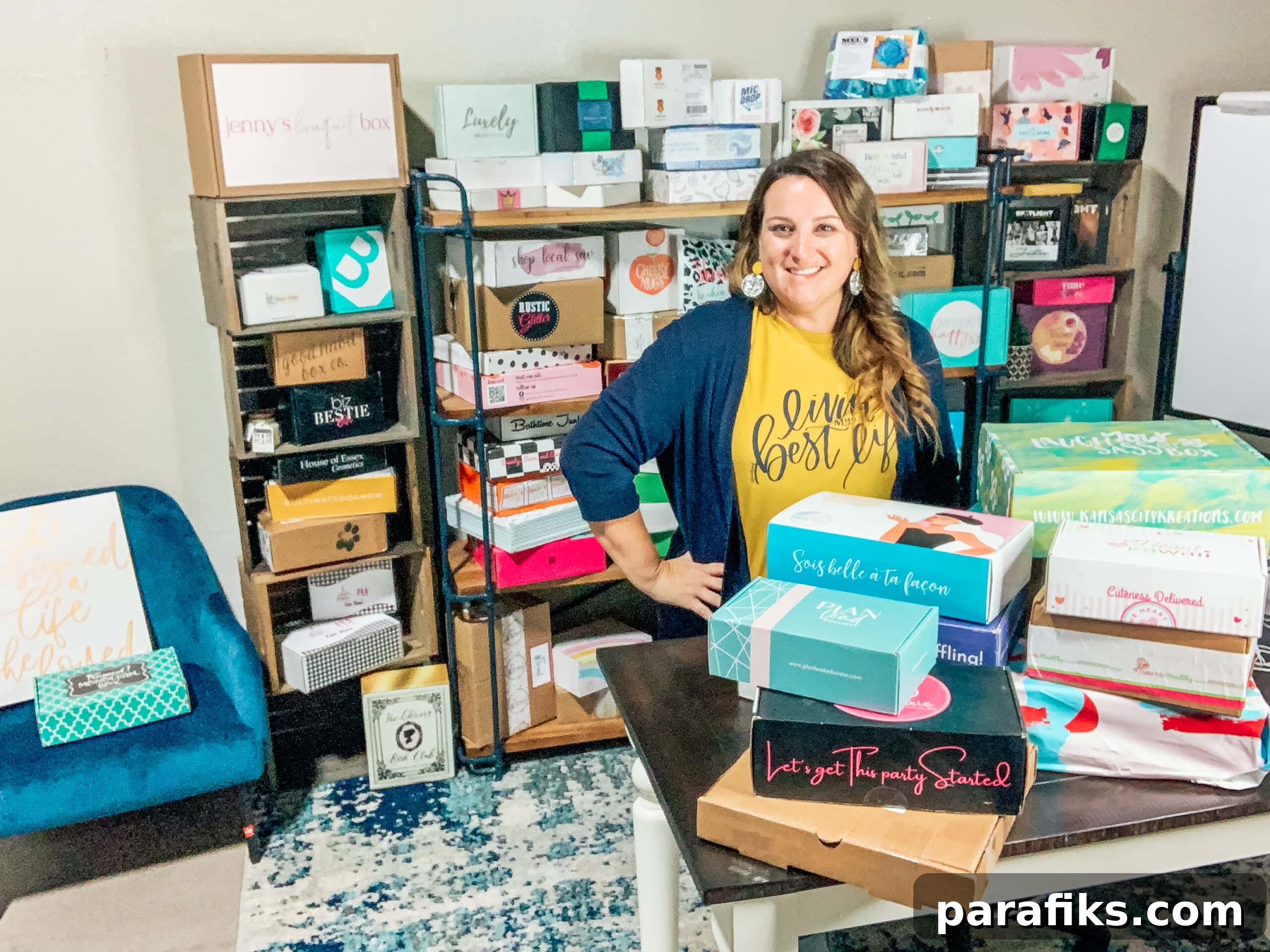
Are you interested in learning how to start a subscription box business?
Below is a clear, practical guide on how to launch a subscription box and grow it into a profitable side hustle or full-time business. The content is based on an interview with subscription box entrepreneur Sarah Williams, who scaled a subscription box business to seven figures in three years.
Sarah is the CEO and founder of two seven-figure companies: Framed by Sarah and Launch Your Box. Over the years she has helped thousands of subscription box founders and aspiring owners through step-by-step training on how to ideate, launch, and scale subscription businesses.
The interview below answers common questions such as:
- How do subscription boxes work?
- What subscription box ideas can someone start right away?
- How much does it cost to start a subscription box business?
- How do you find customers?
Read on for practical answers and actionable advice from an experienced subscription box founder.
Related content:
- How I Make $2,000+ Monthly Selling Canva Templates
- How I Make Money Selling Printables on Etsy
- How to Become a Food Photographer and Earn Over $50,000 a Year
- How to Make $1,000+ a Month Selling Stickers Online
How to start a subscription box business
1. Background: how did you get started and what have you earned?
Sarah began her subscription box as a side hustle while running a brick-and-mortar retail shop. She created a curated, VIP-style box for regular customers, which became popular and brought people back into the store to pick up their boxes. During the pandemic she closed the physical store to focus on the subscription business. Over five years, she grew to thousands of monthly subscribers and generated more than $5 million in revenue from her subscription box business alone.
2. How do subscription boxes work?
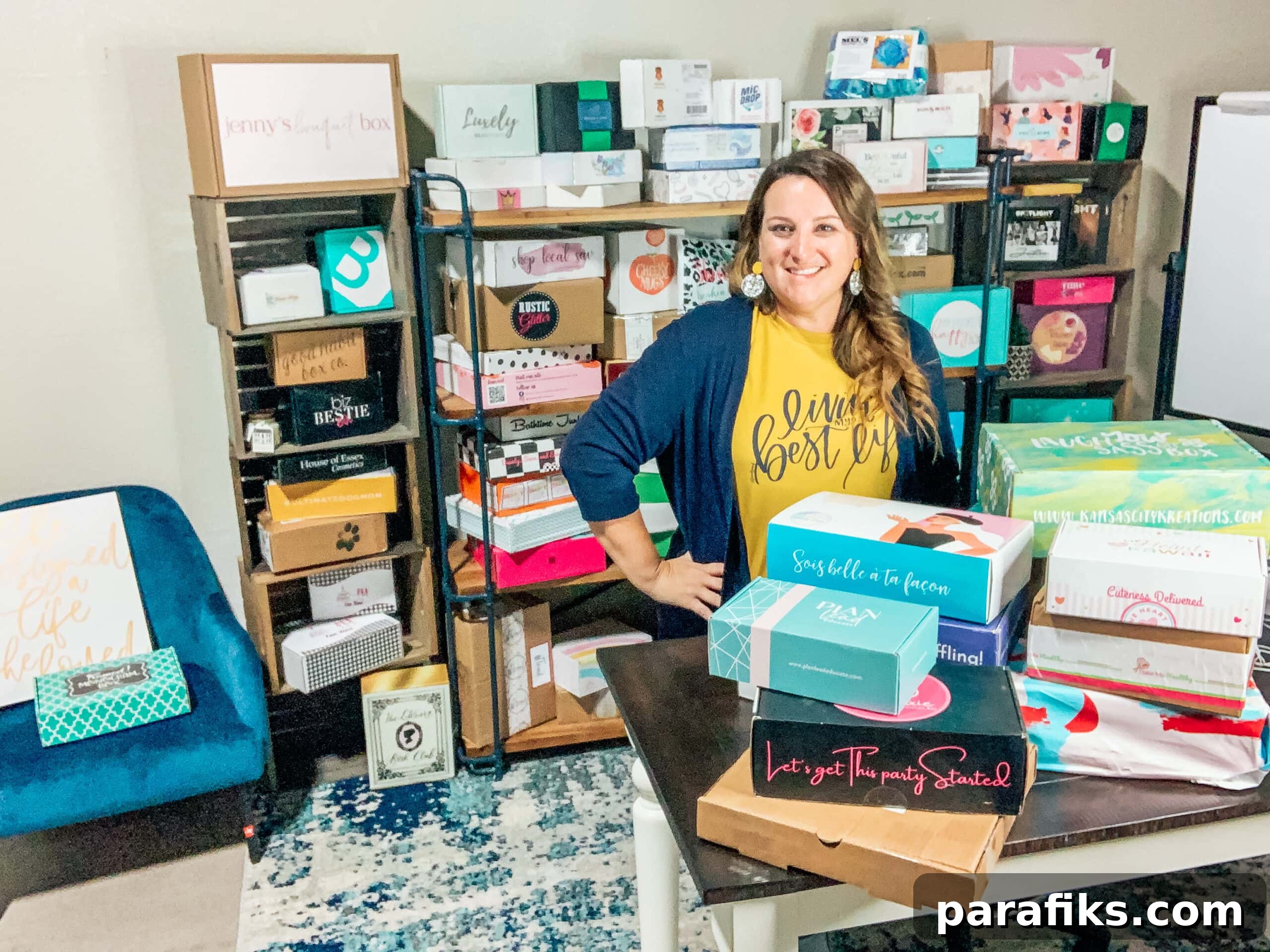
A subscription box is a curated collection of products tailored to a specific niche or type of customer. Boxes are packed and shipped on a regular schedule—monthly, quarterly, weekly, or on any cadence you choose—with payments collected automatically. Contents can include food, apparel, accessories, home goods, candles, pet items, or niche-specific products. The essence of a successful subscription box is a consistent, curated experience that resonates with a well-defined audience.
3. What do you like and dislike about running a subscription box business?
Sarah highlights stability as the main advantage. Unlike typical e-commerce with fluctuating sales, subscription boxes provide predictable recurring revenue, making inventory planning, purchasing, and staffing decisions easier. The primary goal becomes retaining subscribers rather than constantly finding new buyers. Sarah reports she enjoys the stability and has no major dislikes about the model.
4. Is there room for new entrants and how fast is the industry growing?
The subscription box industry continues to grow and offers opportunities for new entrants because niche markets remain abundant. Sarah advises new founders to avoid trying to compete directly with large, established boxes. Instead, focus on a narrow niche with passionate followers—a “cult-like” audience—so your box can grow through strong, targeted messaging and a devoted customer base.
5. Subscription box ideas to start now
Start with a topic you’re passionate about. Hobbies and niche interests are excellent foundations because you understand the audience and can speak to them authentically. Strong messaging and audience-building are essential. Sarah has seen successful boxes in diverse niches—planters, pets (including guinea pigs), candles, and more. Build a box around your expertise and the community that shares it.
6. How much can a subscription box make and is it profitable?
Profitability depends on your profit margin and subscriber count. For example, if you net $20 profit per subscription and have 50 subscribers, you earn $1,000 profit per month. Growth can scale linearly: more subscribers yield more revenue. Some founders aim for tens of thousands of subscribers; others prefer a smaller, manageable base. With solid margins and customer retention, subscription boxes can be profitable at any scale.
7. Startup costs for a subscription box business
Startup costs vary widely. Sarah launched her box as part of an existing business and focused on maintaining a 30% profit margin early on. You could start a box with as little as $1,000 or with $100,000 depending on your goals and how many subscribers you target. Costs to consider include product sourcing, packaging, advertising, payroll, fulfillment, and shipping. As you scale, per-box costs typically fall due to bulk buying and efficiencies. Sarah recommends starting with at least a 30% profit margin and increasing to 50–60% as you grow.
8. Choosing box contents and sourcing products
Decide contents by understanding your ideal customer—what they want, how they think, what problems you solve for them. A practical planning exercise is to map out six months of boxes in a short period so you can visualize recurring themes and seasonal items. Avoid overfilling boxes—too many items mean customers can’t use them before the next shipment. For new boxes, aim for one main item or three to five complementary products per box.
Products can be sourced from local markets, wholesale suppliers, or global marketplaces. Common wholesale and global sourcing channels include specialized wholesale platforms and broader marketplaces where vendors sell in bulk. Research suppliers, request samples, and establish relationships to ensure consistent quality and reliable lead times.

9. Pricing your subscription box
Price based on your target customer’s willingness to pay and your desired profit margin. Sarah matched her box price to her shop’s average order value—about $45—while maintaining margin goals. Aim for at least a 30% profit margin initially. Pay attention to psychological price thresholds (for example, $49 vs. $50) and avoid overpricing for your market. Calculate cost-per-box including products, packaging, fulfillment, and shipping, then set a price that delivers value and margin.
10. Marketing a subscription box business
Digital advertising on platforms like Facebook, Instagram, and TikTok is the most effective channel for finding subscribers. Compared to traditional media (billboards, newspapers, TV), social ads are more targeted and cost-efficient. While ad costs have risen over time, paid social remains the leading method to acquire customers. Complement ads with organic content, community engagement, and influencer partnerships to maximize reach and retention.
11. Step-by-step to get started
1. Build an audience first. Many skip this step, but finding and engaging your people is essential. Expect to spend 30–90 days growing an initial audience.
2. While building your audience, work on logistics: choose your sales platform and subscription technology, source products, design packaging, and set up fulfillment and shipping.
3. Avoid completing logistics before you have an audience—marketing and product-market fit should drive your decisions. Start audience-building immediately and let the operational pieces evolve in parallel as you validate demand.
12. Resources and tools
One practical exercise Sarah offers is the “6 in 60” workshop, a planning method that helps you outline six months of curated boxes in 60 minutes. By the end of the workshop you’ll know your target customer, what each box contains, and have a roadmap for your first six boxes—giving you a solid foundation to move toward launch.
If you want to learn how to start a subscription box business, focus on your niche, build an audience early, keep margins healthy, and use targeted digital marketing to acquire subscribers. With the right planning and consistency, a subscription box can become a reliable and profitable business model.