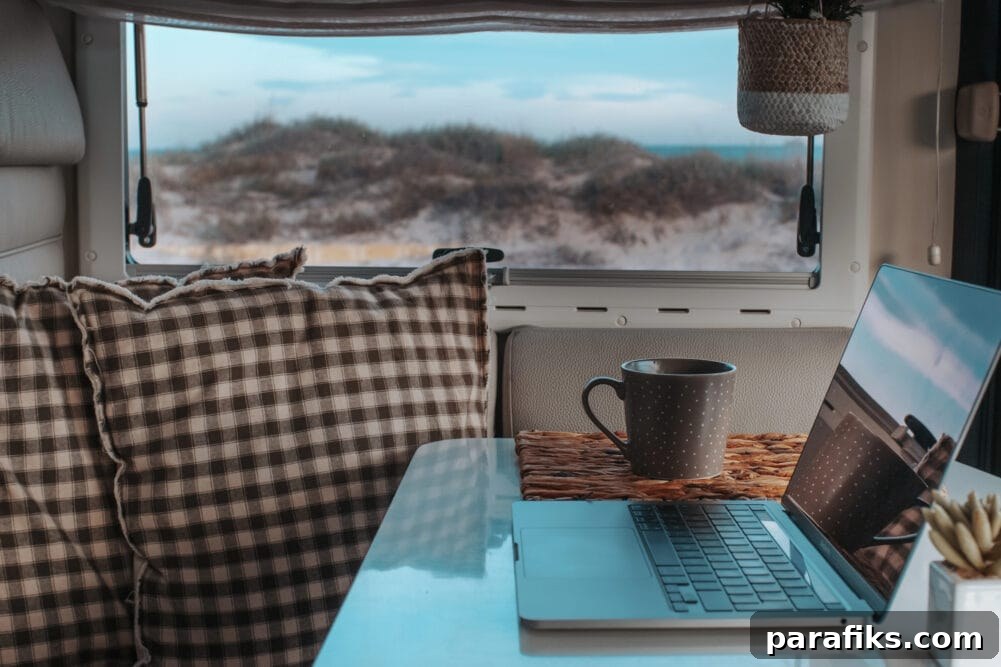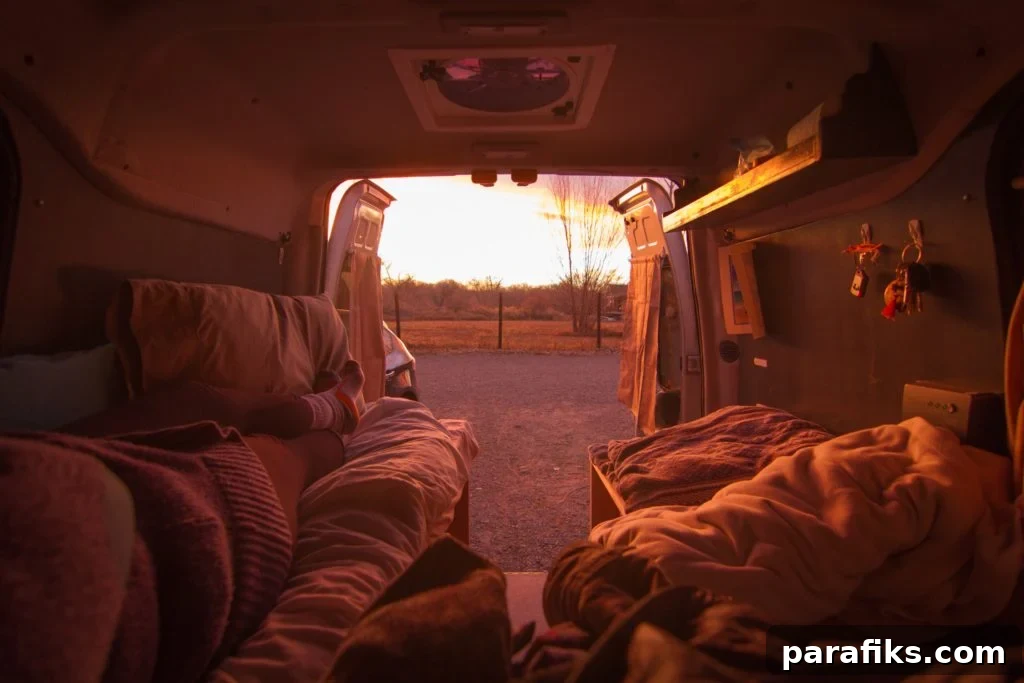
Michelle’s quick note: Today, I’m sharing a great piece from Sarah at Tiny Van Big Living about how living in a van has helped her save money. By living on the road she has already paid off $29,000 in debt and continues working toward eliminating the rest. I heard her story and asked her to share it with you. Enjoy this #vanlife article!
Hello, I’m Sarah. I live full-time in a compact van and work as a traveling Occupational Therapist. I adopted a minimalist lifestyle to accelerate student loan repayment and to create space for more experiences.
In May 2016 I moved from a two-bedroom apartment in Los Angeles to living full-time in a 2010 Ford Transit Connect in Alaska. This wasn’t an impulsive decision; it developed as I learned more about minimalism and personal finance. I’ve lived full-time in “Vanny Devito” for over a year and don’t plan to return to traditional housing anytime soon.
Van life and RV-related content:
- How This Couple Does Van Life with A Baby (and a dog!)
- The Ultimate Guide To Getting Started RVing
- How This Family Travels Full-Time With 4 Kids and 2 Dogs
- How To Make Money While RVing
- How Much Does It Cost To RV?
- Common RV Questions – Yes, I Even Talk About What We Do With #2
Why am I living in a van?
As a traveling healthcare professional I usually work 13-week contracts at various facilities. Downsizing initially appealed to my desire to travel more while moving less—packing and relocating repeatedly felt exhausting. Making moving less frequent was very motivating.
Related: The Honest Truth About Van Dwelling: Answers To The Most Common Van Life Questions

To save money
Before living in Vanny I paid for short-term furnished housing for work, which often cost $1,600–$2,900 per month. After a few years working as an OT, I became acutely aware of the consequences of poor financial preparation for aging and illness among my patients. Seeing how damaging it can be for people who can’t afford care made me determined to be more financially responsible.
I initially considered a travel trailer, but the upfront cost and break-even timeline didn’t make sense for my goals. Prioritizing low cost led me to a compact van conversion.
To have more adventures
Raised on the Jersey Shore, I loved beaches but later moved to Arizona and California for travel jobs and discovered a passion for hiking and camping. The outdoors became my preferred environment, and city life felt increasingly restrictive. A van offered a convenient way to spend more time outside and made camping simple and spontaneous.
In short, I live in a van to keep my lifestyle adventurous and inexpensive now, while building a more secure future. Living in a van helps me achieve both.
My Van Dwelling Build
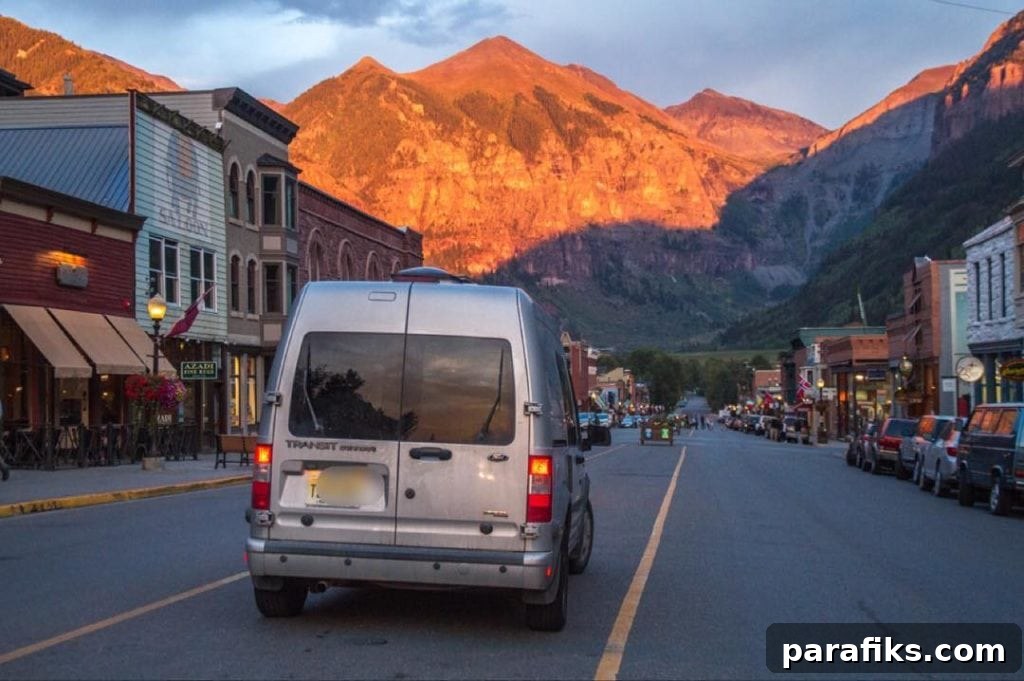
Vanny Devito is a 2010 Ford Transit Connect I bought in May 2016. She’s compact—about the size of a tall sedan—so she fits in small parking spots and gets excellent gas mileage (around 25 mpg). Driving her feels like driving a car rather than a large van, which suits my lifestyle well.
Power and Insulation
My initial conversion cost just under $5,000. I installed a Renogy solar panel, an auxiliary battery, and an inverter: one 100-watt solar panel and a 1,000-watt inverter. The walls are insulated with Reflectix, and there’s a roof vent fan for airflow.
Bed
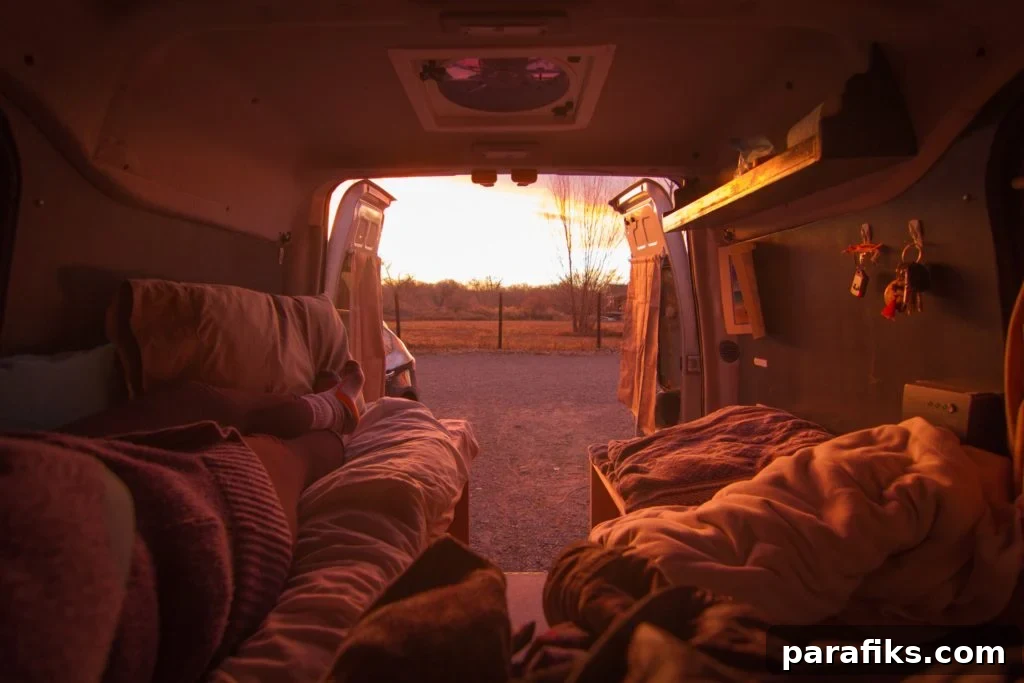
Originally the back was a platform bed with storage. Recently I replaced it with a fold-out couch that converts to a larger, roughly twin-sized bed. That change cost about $300 and made a huge difference: I can reach most items without going outside and can sit comfortably in the van instead of always lying down. I avoided the $10,000-plus quotes from conversion companies by finding local help through Craigslist for a fraction of the cost.
Kitchen
My kitchen is deliberately simple: a small two-burner propane camping stove and a Yeti cooler. I don’t cook heavily—typical meals are oatmeal, salads, pasta, and ready-made grocery items—so a compact setup covers my needs.

When Van Life is Not Fun
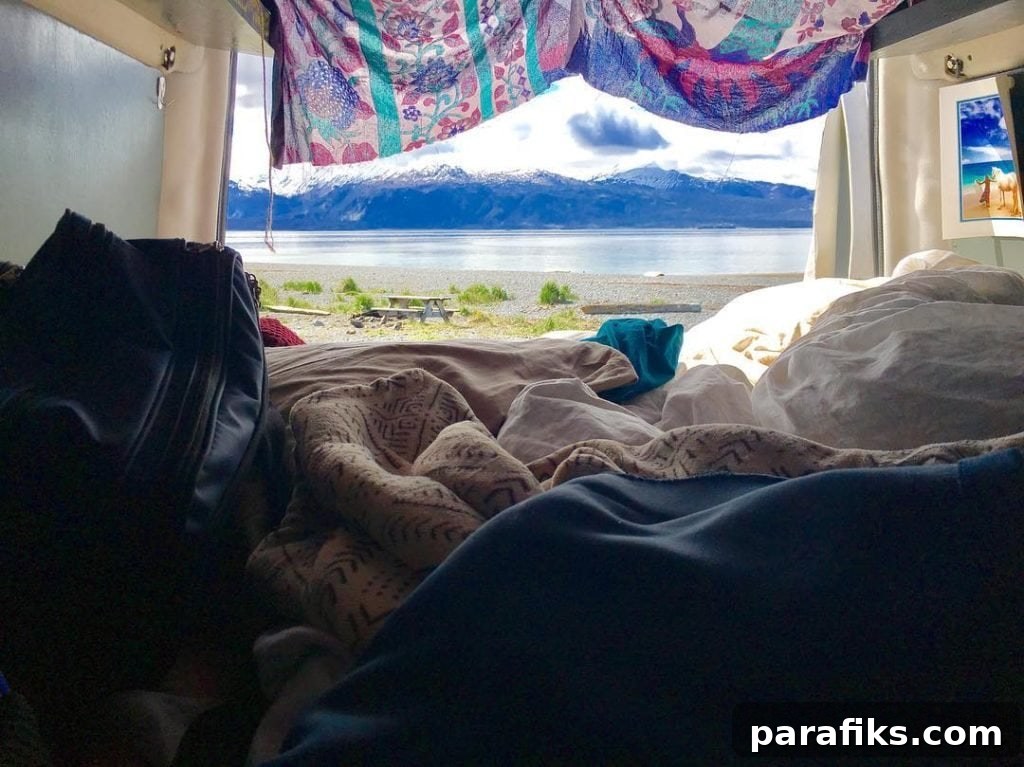
Social media often shows polished images of van life—mountains, ocean views, cozy setups—but reality includes ordinary, sometimes difficult days. Unlike many full-time nomads, I usually have a conventional job and work about 40 hours a week in a clinic. Between assignments I get more freedom, but when I’m on-site it’s a routine life with the added challenge of preparing for work inside a tiny space.
Cold mornings can be tough. Staying warm and using outside bathrooms when it’s freezing is unpleasant. Temperature control in a small van is difficult; nights below freezing can be hard to sleep through.
Is van life really worth it?
There are trade-offs. Recently it was 16°F outside and I was grateful for a heated blanket. I had a rough morning and questioned my choice, but later that day, making an extra $1,800 loan payment reminded me why I chose this life. The financial progress and freedom to travel usually outweigh the occasional discomforts.
Because I prioritized minimal cost and utility-free living, most downsides are acceptable. If comfort were my top priority I would have chosen a larger, better-equipped van, but that wasn’t the goal.
Am I really saving more than living in an apartment?
Yes. Downsizing to a van automatically cuts many costs. Short-term furnished housing I used to rent often ran $1,600–$2,800 per month and required multi-month leases. As a contract worker, that created risk—if a contract ended early I could still be liable for rent. Switching to van life eliminated that vulnerability.
I usually stay at campgrounds, which offer reasonable month-to-month rates and don’t require hookups because of my solar setup. I’ve also parked on private property for monthly fees. My typical housing costs while on assignment have been $200–$450 per month—more than $1,000 in monthly savings compared with prior furnished housing. I also save on utilities since I don’t use hookups.
Vanny gets better gas mileage than my previous car, saving $50–$100 a month. When traveling between assignments I often boondock, avoiding hotel costs. A recent three-week drive from Alaska to Colorado saved me hundreds of dollars in lodging alone.
Related: How To Camp For Free, Even In Beautiful and Desirable Places
The less obvious ways van life saves me money
Living with limited space naturally reduces impulse purchases. Shopping trips that used to end with a full cart at big-box stores are rare. Before buying anything I ask: Do I need this? Where will it go? Limited storage forces intentional buying. My wardrobe is small and functional—about five work outfits, a few pants, and several shirts—and I rarely buy anything beyond food, gas, and toiletries.
Should you start living in a van?
Many people benefit from simplifying, though living in a van is an extreme form of minimalism that suits my life. Adopting minimalist habits can be as simple as decluttering, downsizing a car, canceling unused subscriptions, or eating out less. You don’t need to move into a van to gain the advantages of minimalism.
Things to consider before you begin living in a van or other tiny home
If you choose tiny living, consider these points to find the right fit:
- Needs – Make a list of must-haves and want-to-haves. For me, needs included solar power, storage, low cost, and mobility. Others might prioritize a toilet, shower, heater, or AC. Your list will guide your choice between vans, RVs, trailers, or tiny homes.
- Conveniences – Decide which conveniences you can live without. My setup is minimal, so I plan showers at gyms or campgrounds and appreciate friends’ homes for occasional comforts.
- Mobility – Consider how often you’ll move. Vans offer more flexibility than towable tiny homes or trailers.
- Power Supply – Assess your energy needs. If you plan to run heaters, a computer, or other high-draw devices, size your battery and solar system accordingly.
- Cost – More space and amenities increase cost. Units that require hookups may force campground stays, while off-grid-capable rigs allow boondocking and lower long-term costs.
You don’t have to live in a van to practice minimalism
Minimalism is about living with what you need. People pursue their financial goals in many ways—living in inexpensive apartments, sharing housing, or reducing consumption. I chose van life to meet my goals. I started Tiny Van Big Living to share travels and be part of a welcoming community. My message: prioritize experiences over things, recognize you can design the life you want, and know that even significant student loan debt can be paid off with a plan. When I began repayment in 2013 I thought my loans would hang over me for decades; now I have a structured plan to pay them off in a few years, which motivates me to stay disciplined.
What do you think of living in a van? Could you do van life?