
Interested in learning about active investing strategies?
 Over the years I’ve received many questions about active versus passive investing and how people can trade stocks and make money. Below is an interview with Teri Ijeoma, a successful active trader who explains how active investing can become a viable side hustle or full-time career for some.
Disclosure: Active investing is not a get-rich-quick scheme. Short-term trading carries risks and is very different from long-term investing. Not everyone will succeed, and you can lose money. Do your own research before trading. If you’re interested in long-term investing, consider reading resources geared toward retirement strategies.
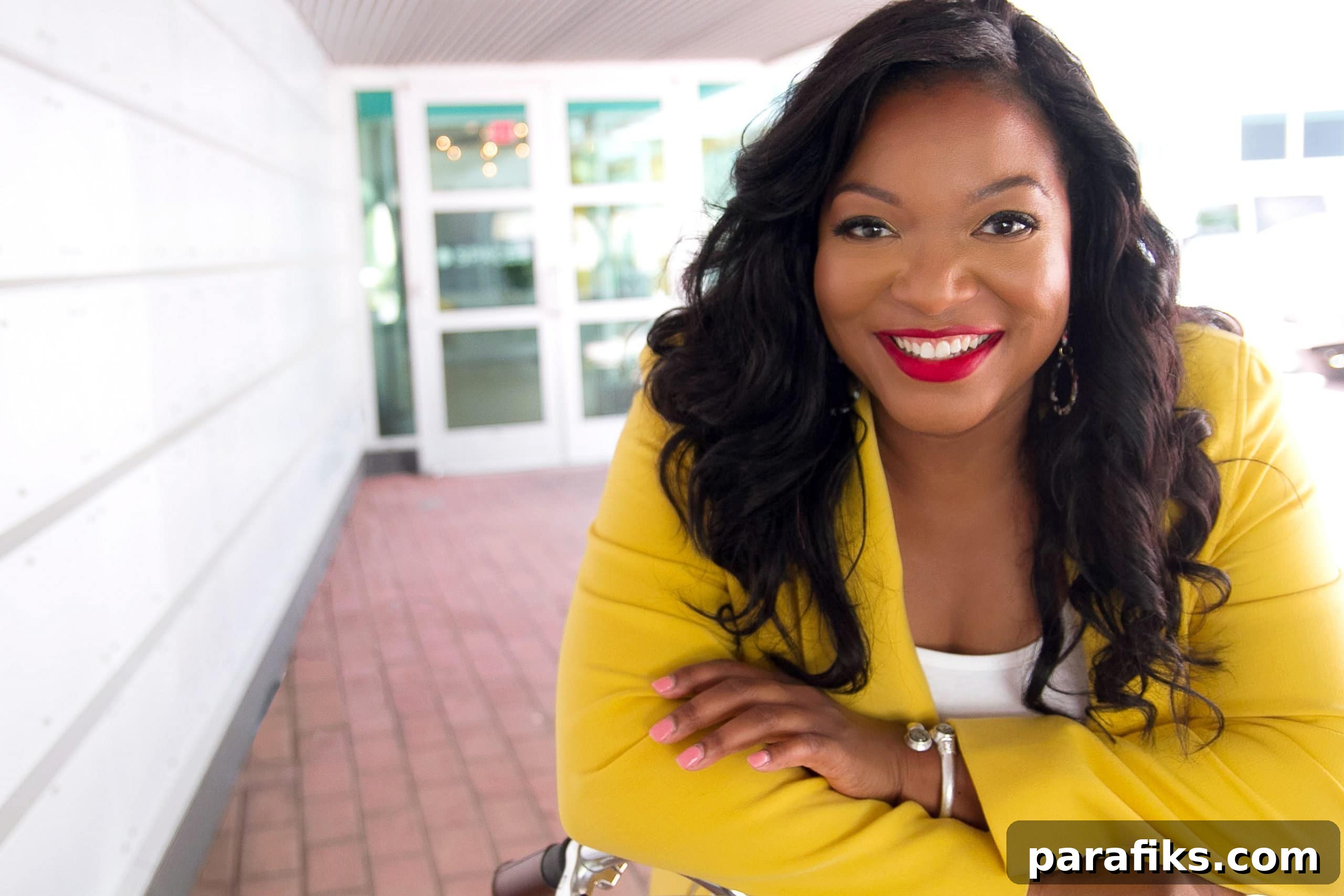
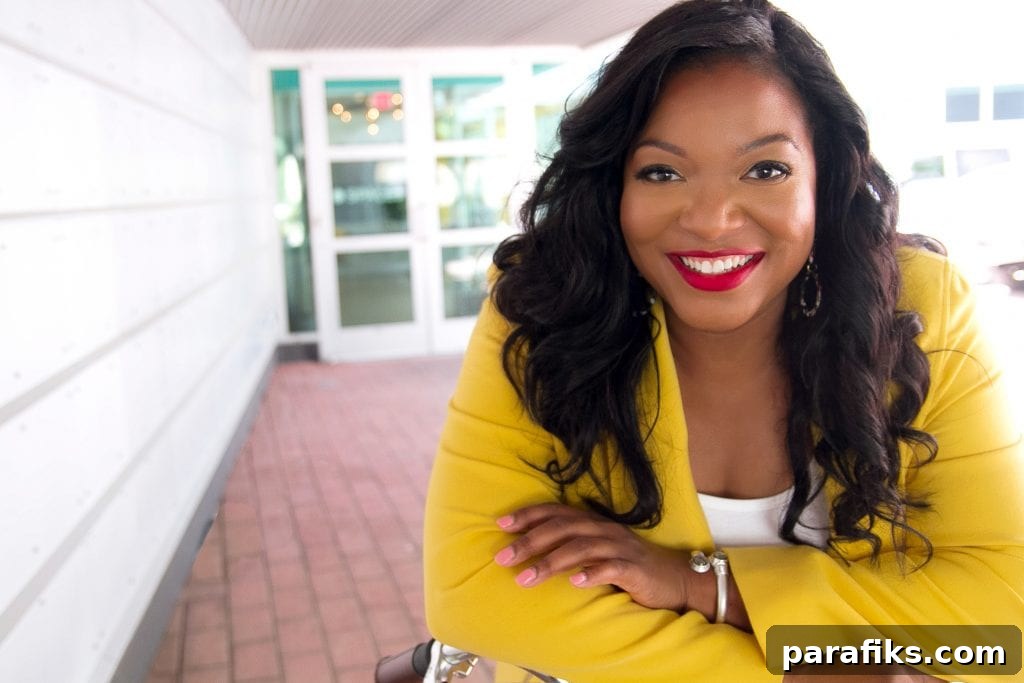
Teri began trading nine years ago as a way to supplement her income. Her success as a trader grew quickly, and in 2017 she left her job as an elementary school assistant principal to travel and trade full-time. While traveling the world she started an online school called Trade and Travel after many people asked her to teach them how she traded successfully.
Teri holds a Bachelor’s degree in Management Science from MIT and a Master’s in Media and Communications from Dallas Theological Seminary. She was named 2018 Entrepreneur of the Year by the National Black MBA Association and was the Grand Champion of Teachable’s 2019 Creator Challenge.
Below you’ll find answers to common questions about active investing strategies, including:
- How does trading in the stock market work?
- What’s the difference between active and passive investing?
- What are active strategies and which approach might be better?
- How much time does active investing require to get started?
- Is active investing realistic or too good to be true?
And more.
How to get started with active investing strategies
Tell me your story. What do you do?
I teach people how to actively invest in the stock market to pay off debt, travel, and supplement or replace their income.
I worked in education for ten years and served as an assistant principal. After the death of a close friend I realized life was too short and I needed an exit strategy. Investing had been a hobby, so I began to study it more intentionally to see if it could replace my income. I set a modest target—$300 a day—and, after taking classes and practicing, my trades became consistent enough that I could quit my job and travel while trading.
I ended up living in over seven countries funded by trading, and when people asked me to teach, I created the Trade and Travel course.
Did you know much about trading before you started? How did you get started?
My first exposure to investing was in high school when I attended a summer program at Kellogg School of Management at Northwestern. That experience, and Google’s IPO during my senior year, sparked my interest. I didn’t actively trade until college, where I attended MIT and interned on Wall Street with Morgan Stanley. I used that experience to start investing as a side hustle.
What do you like about trading and active investing?
I appreciate that trading is a lifelong skill and offers flexibility—you can trade from anywhere and often on your own schedule. I’ve made significant sums while traveling; more important to me is the freedom and control over my time.
Can you tell us what goes into trading in the stock market? How does it work?
Trading is straightforward in concept. You open a brokerage account—TradeStation is one option—and use it to buy and sell shares of companies. Think of it like buying candy wholesale and reselling at a higher price: you buy shares at a lower price and sell them for a profit when the price rises. Success requires a clear strategy, discipline, and an understanding of market dynamics.
Do you need a lot of money to get started with active investing strategies?
You don’t need a large sum to begin. Many brokers have low minimums; for example, TradeStation allows accounts to be funded with $500 and offers a simulator for practice. For live trading, I recommend starting with at least $2,000. My students aim to make about 1% of their cash balance per day—so $2,000 would target roughly $20 per day or $100 per week—focusing on consistent, attainable returns.
What’s the difference between what you do and long-term investing for retirement?
What I teach is active investing: making income from stocks in real time to meet present goals like paying debt or traveling. Retirement investing is long-term and functions more like saving for the future—you generally can’t use those funds until retirement. Active trading involves reading charts, timing entries and exits, and realizing profits that can be transferred to checking accounts and used immediately. I still recommend maintaining retirement accounts for long-term security while using active trading as a complement.
How many hours does active investing take?
When learning, expect to spend more time—up to four hours a day: two hours at the market open, an hour at close, and an hour reviewing. As you gain experience, trading can take as little as 30–45 minutes per day.
How long does it take someone to start making money with active investing?
It varies. Many students take their first trades within two weeks of beginning a course. Mastering my system typically takes 60–120 days. Some students see gains quickly; others take six months to a year. I recommend practicing for about a year and achieving consistent returns before switching to full-time trading.
What financial goals are you currently working towards?
I recently reached my personal goal of making six figures in a single day trading. Now my focus is helping others: my aim is to help 1,000 students make $1,000 in a day, which I believe can create substantial positive impact.
If you were starting back at ground zero, what would you do differently from the beginning?
I wish I had started investing earlier. Missing early opportunities—like Google’s IPO or buying during market lows—changed my potential trajectory. Still, markets present recurring opportunities, so it’s never too late to begin learning and participating.
Can you talk about how this isn’t a get-rich-quick scheme? I’m sure many people may be thinking that this is too good to be true.
Trading is a skill that takes time, patience, and practice—similar to learning a new language. It’s not a shortcut to instant wealth. The most successful traders focus on small, consistent gains that compound over time. Discipline, risk management, and chart reading are essential to entering the right trades and preserving capital.
Can you tell me more about your course? Can you share some success stories from students who have taken your course?
My VIP Trade and Travel course includes seven classes: an introduction to the stock market, risk management, technical analysis (reading charts), and a seven-step trading plan. Advanced topics include shorting and options. The course emphasizes choosing quality setups, protecting capital with risk rules, and entering trades at favorable prices.
I’ve taught more than 1,200 students, many of whom have reached daily profit milestones. One student, Annette, retired from nursing to care for her nephews after learning to trade; she made over $2,600 in 20 minutes on one occasion and now consistently earns above her former monthly RN salary. Stories like hers highlight how active trading can provide both financial and time freedom when approached responsibly.
Are you interested in learning active investing strategies?