
Are you planning to buy a house and want to avoid common home buying mistakes?
I bought my first house when I was 20. That was more than 11 years ago, and I still look back and wonder how I managed it.
I made a lot of first-time home buyer mistakes.
I was young and had a lot to learn. I could have done far more research to avoid many errors—like failing to compare interest rates or understanding the true cost of homeownership.
I’m not unique in this. Many people don’t fully understand what goes into buying a house, and that lack of knowledge can hurt your finances and increase stress.
Over the years I’ve received many emails from people asking about buying a house in their early 20s or from renters considering their first home purchase.
I decided to revisit the mistakes I made and explain how you can avoid the same missteps. My hope is that you’ll be a better-prepared home buyer than I was.
Mistakes made by first-time buyers can cost you money and lead to regret—sometimes leaving you asking why you bought the home at all.
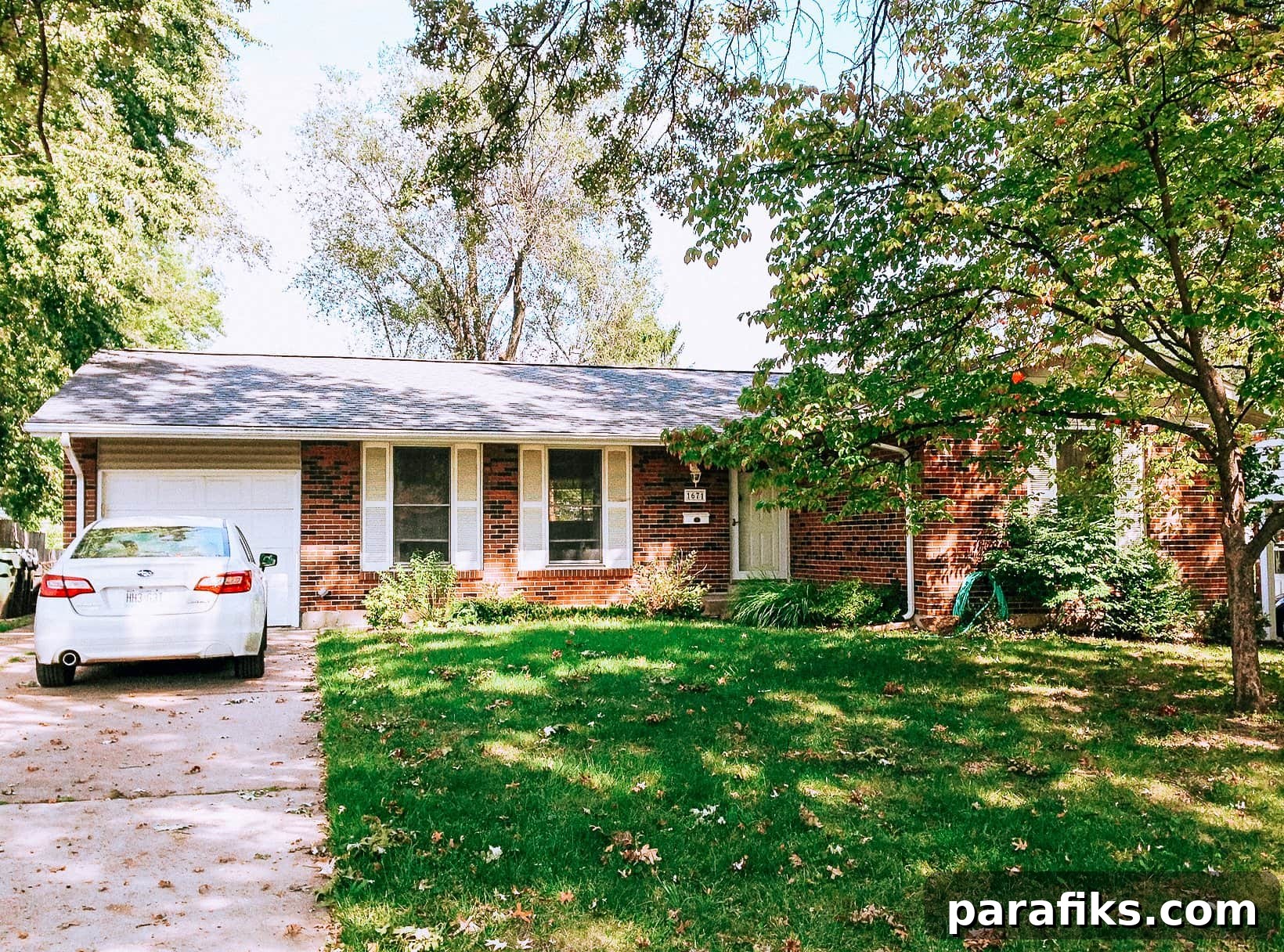
An aspect of my story you might not know: the first home I ever lived in was mine. Growing up, my family rented small apartments and moved often. I wanted stability and a place to call my own.
Owning a house was brand new to me. I’d never done yard work, basic home maintenance, or dealt with repairs. I was as inexperienced as you can be when it comes to homeownership.
It was a buyer’s market when we started searching in 2009; home prices were declining, and mortgage payments were only slightly higher than rent. That made buying seem logical.
I thought I was ready, but my many mistakes could have caused serious financial trouble. Read on for the mistakes I made and first-time home buyer tips you can use.
Related content on home buying mistakes:
- 7 Lessons I Learned From My Short Sale
- Buying a House at Age 25 and How I Did It
- Home Buying Tips You Need To Know Before You Buy
- Smaller Can Be Better – Maximize Your Savings With A Small House
- How I Paid Off My $400,000 Mortgage In 7.5 Years, Before I Was 32
Here were some of my home buying mistakes.
I didn’t prepare.
At 20, I thought I understood the process, but I didn’t. I used an online mortgage lender—still fairly new in 2009—and the company made several paperwork mistakes. Because online lending was new then, some aspects felt uncertain.
My realtor, a family friend, recommended a loan officer and I went with that person without shopping around. The officer was friendly, but I never compared interest rates or worked on improving my credit beforehand.
If I had focused on raising my credit score and applied to several lenders, I would have likely secured a better interest rate and saved money over time. Even small differences in rate can have a big impact on monthly payments and total cost.
For example, on a $200,000 thirty-year mortgage (before taxes):
- At 3.25% interest, the monthly payment would be about $870, totaling roughly $313,349 over the life of the loan.
- At 4% interest, the monthly payment would be about $955, totaling roughly $343,739.
That’s an $85 monthly difference and about $30,000 over the loan term. Start tracking your credit score early and shop lenders to avoid this common mistake.
I avoided adding up all of the costs because it was scary.
Owning a house is expensive—much more than just a mortgage payment. I delayed totaling the costs because I suspected they would be higher than expected, and I was right.
Many buyers only think about the mortgage. You need to compare your current budget with a homeowner’s budget to determine if you can truly afford a house.
Common ownership costs to consider include:
- Gas/propane. Heating, hot water, and cooking often rely on gas or propane.
- Electricity. Larger homes typically mean higher electric bills.
- Sewer. Often around $30 a month, though it varies by area.
- Trash. A small but recurring cost.
- Water. Water bills can range widely; in some places they reach several hundred dollars monthly.
- Property taxes. Taxes vary dramatically by location and can add thousands annually—sometimes hundreds per month—so factor them in carefully.
- Homeowners insurance. Premiums vary by region and type of coverage; flood, earthquake, or hurricane coverage can add significant cost where relevant.
- Maintenance and repairs. Every home requires upkeep eventually, even new ones.
- Homeowners association fees. HOA fees and rules vary and can be substantial.
- Home furnishings. Furnishing a house can be costly; buying a large home without budgeting for furniture is a common oversight.
I probably should have spent less on the actual house.
Although our purchase was under the pre-approval amount, we still bought at the top of our budget. Lenders often approve much more than you can comfortably afford—approval does not equal affordability.
We assumed future raises would cover the cost, but buying near the limit of what you’re approved for can lead to trouble if circumstances change.
We were living paycheck to paycheck and didn’t have an emergency fund.
With low-paying jobs and student loans, we were barely getting by. We had no emergency savings, so any unexpected repair or major issue would have forced us into debt.
Before buying a home, build an emergency fund and choose a house that allows you to keep saving while covering monthly payments.
Make sure your home insurance covers what you need.
My homeowner’s policy had gaps. For example, flooding was not covered without an extra policy, and in our area basement flooding was common. Standard policies also typically don’t include earthquake coverage.
Research the right insurance for your region—flood, earthquake, or hurricane coverage may be necessary depending on where you live.
Have a larger down payment.
We had less than 5% down, which meant we paid private mortgage insurance (PMI). A 20% down payment helps you avoid PMI, which often costs 0.5%–1% of the mortgage annually and is added to your monthly payment.
On a $200,000 loan, PMI might add $1,000–$2,000 per year until you reach enough equity to remove it. Saving more up front can save a lot over time.
Related content: Can You Remove PMI From Your Mortgage?
So, what’s going on with the house now?
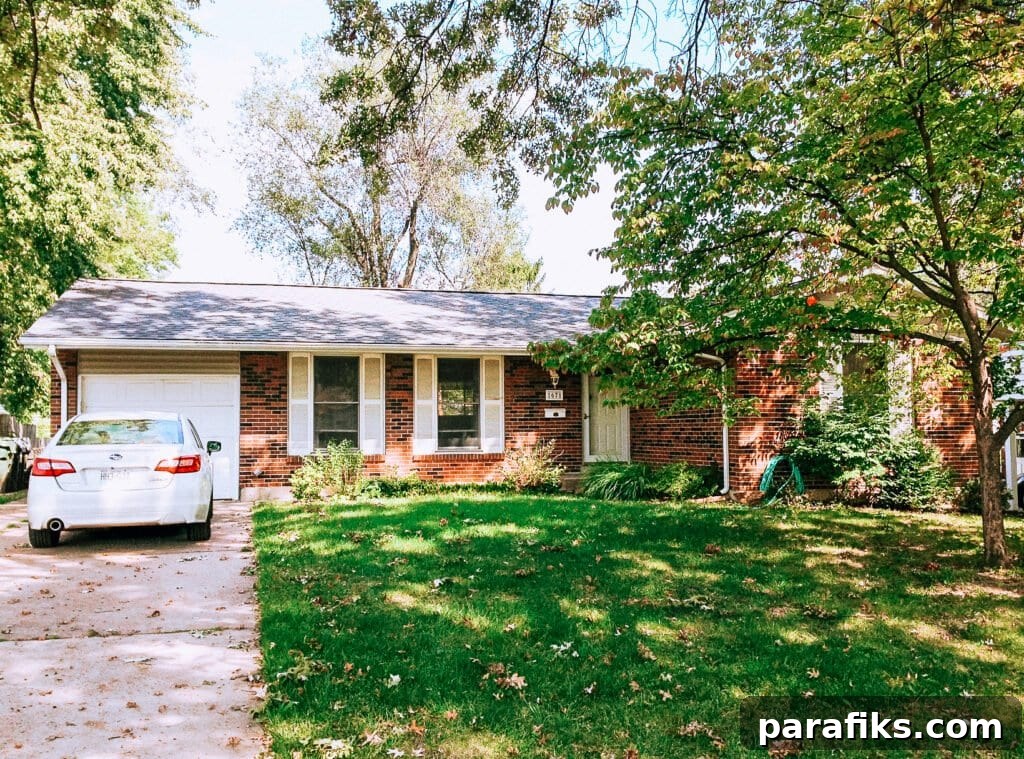
We sold the house over five years ago to have more flexibility to travel. We sold at a loss because the market had declined since we bought it, but buying the house was still a valuable learning experience.
It taught us responsibility, gave us a place to live, and showed us how to avoid costly buying mistakes in the future.
Our mortgage payments were just under $1,000 each month. Living in a low-cost Midwest area made buying at 20 more feasible than it would be in many other parts of the country.
Is it normal to regret buying a house? Is it normal to have buyer’s remorse after buying a house?
Buyer’s remorse does occur. Thorough preparation, realistic expectations, and the tips above can reduce the chances you’ll regret your purchase.
What home buying mistakes did you make when you purchased your home?